At the time when I lived in the area in the late 1960s Lord Montagu’s collection was just achieving some prominence. Since then the collection has grown, and a new generation has taken over, but the museum still feels similar to what I remember from 50 years ago. The little land-train has been replaced by a monorail, and there’s a pretty awful Top-Gear display outside the main museum, but otherwise it’s a fantastically broad-ranging collection of cars and motorbikes.
The New Forest Caravan and Motorhome Club Site
The Caravan Club sent us a voucher for a free night at one of their sites, so this seemed a good opportunity to make sure we didn’t forget to use it. Just 17 miles from Beaulieu, we parked up in the sunshine to have a cup of tea and a cake, and do absolutely nothing. Good value as a free night, and it’s a well equipped site but the normal price of £33.70 for two of us for a single night seems a little steep.
Getting your bits in order
Both the main clubs still haven’t got their heads around proper WiFi provision. They charge quite a lot (I’ve forgotten exactly how much) and the connection speed is pretty useless as you can see from this test. Web browsing worked fine, but it proved pretty useless trying to do anything else. I guess I’m probably not typical, but for me a decent internet connection at a camp site is more interesting than a mains power connection.
This is the first leg on our trip to Devon. We’re again cultivating the art of slow travel. We could get to our destination in a day, but why rush? We used to live in Winchester, so we decided to head that way for our first night stop. Town or country? That hadn’t been decided.
By the time we’d done all the last-minute stuff it was late morning before we left home, so lunch was calling as we rounded Royston. In decades of making that journey, we’d often noticed a big area of heath to the south of the A505, but we’d never stopped there. Turns out it’s called Therfield Heath, and we stopped in the slightly scruffy car-park near the sports centre. It would be a great place to go if you happen to be travelling with a dog, or even a horse – the heath is spacious, and for us it was a pleasant enough lunch spot. We took the opportunity to decide on a destination for our night stop, and chose the Bush Inn at Ovington, near Winchester.
The Bush Inn
Overnight at the Bush Inn
Situated on the River Itchen at the end of a quiet road in the village of Ovington, the Bush was an idyllic place for a walk along the river followed by a meal on a gloriously warm evening at an outside table in the garden, right by the river. The food was good, and the welcome welcoming. The clientele seemed pretty well-off, and the prices reflected that.
Our overnight stay in a corner of the car-park was as peaceful as anyone could wish.
Conversation at a recent meetup with motorhoming friends turned to continental travel. We’ve been taking various campervans to the continent for around 30 years, so I thought it might be good to jot down some of the things we’ve learnt in that time.
Where to go
There’s no right answer. We’ve most often gone to France, but have also visited Spain, Portugal, Hungary, Slovakia, Czech Republic, Germany, Belgium, Luxembourg, Holland, Italy, Switzerland, Austria, and Andorra. For us the default destination is the west coast of France. We particularly like to travel down until it gets warm, maybe in the Vendée (around Saint-Jean-de-Monts) or the Gironde (Lac Hourtin). The Camargue is pretty exotic (Saintes-Maries-de-la-Mer) and the Pyrenees are impressive both on the French and Spanish sides – we’ve been to Camping Rio Ara in Torla Ordesa a couple of times.
France is campervan heaven, and that’s what I will mostly talk about here.
Routes
Picture credit dmytrok on Flickr
We try to avoid toll roads (set your GPS to “no tolls”, but only after you’ve used the Dartford Tunnel to get to the Channel Ports). In France we take free autoroutes to miss big cities – the network of decent free roads has been increasing over the years. Otherwise we mostly travel N roads (similar to our A roads) which are usually uncrowded, and often interesting, or D roads (a bit like our B roads). In France toll roads are generally clearly marked as “Péage”.
We try to apply similar rules in other countries. We once came unstuck in Switzerland, where you have to buy a vignette to use the motorways. I was therefore being very careful to follow the green signposts to avoid the motorways. It was only as I went up the slip road that I realised the green signs led to the motorway! I exited at the first opportunity and got away with it.
Where to stay
An aire
We have done an entire holiday (late season) without staying at a single formal campsite. Options are:
Aires – be careful, because motorway services are called aires, and they are a very bad place to stay. What you are looking for are Aires de Camping Car, or Aires de Service de Camping Car. Some aires de service are simply service points for filling and dumping, but many also include overnight parking. There are many guides available listing aires, but we mostly find them by chance. They might be located at historic sites (Carcassone springs to mind) or in towns or villages. They are usually clearly signposted off N roads. Some aires are like car-parks, others more like a proper campsite. They are sometimes free, but increasingly charge a few Euros. Germany’s equivalent is the Stellplatz, and Italy’s is the sosta
France Passion
France Passion – the French version of Britstops, mostly featuring vineyards, but also other farms and restaurants. Subscribe for the year and park overnight for free – you might of course be tempted by the produce
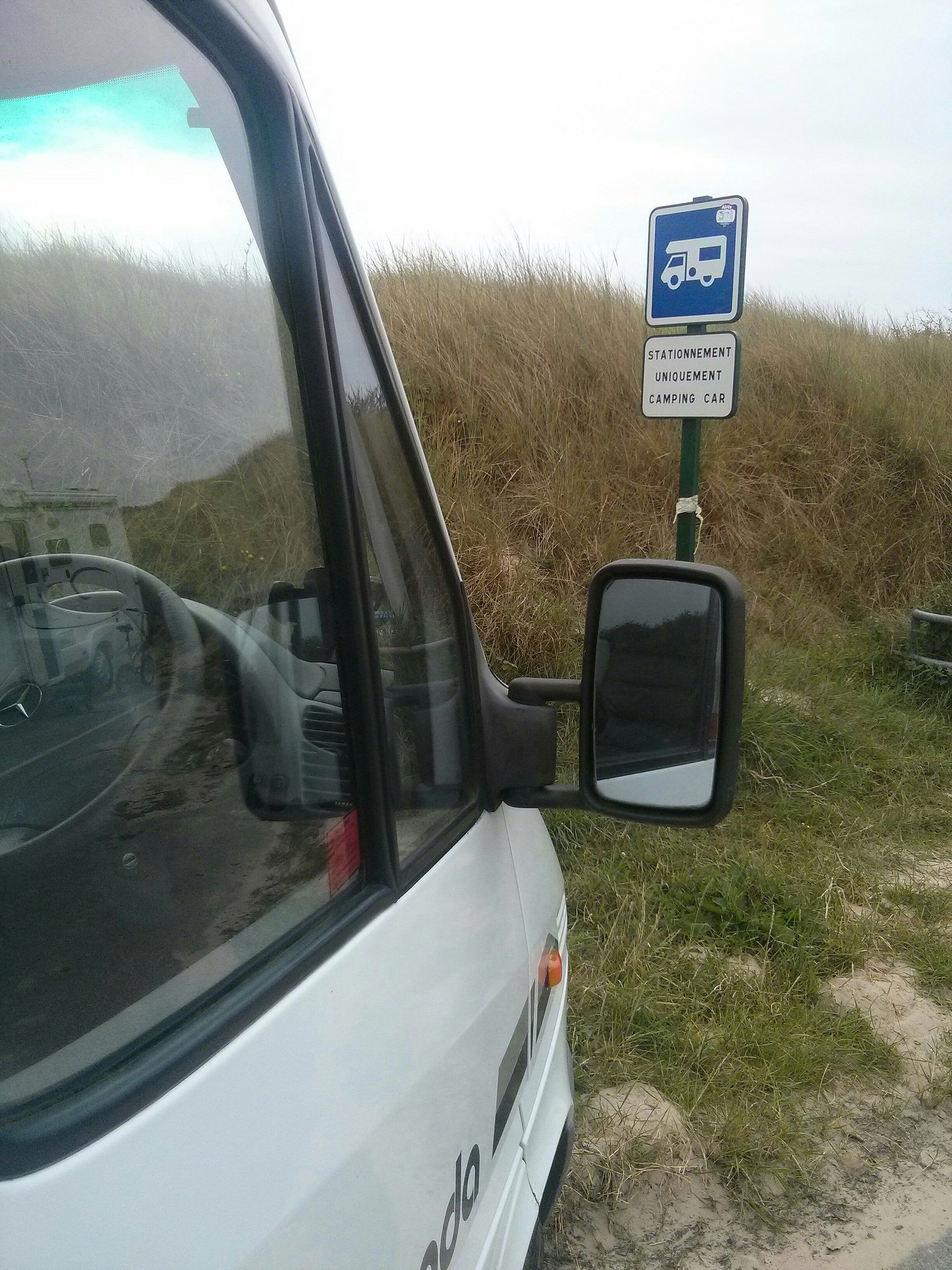
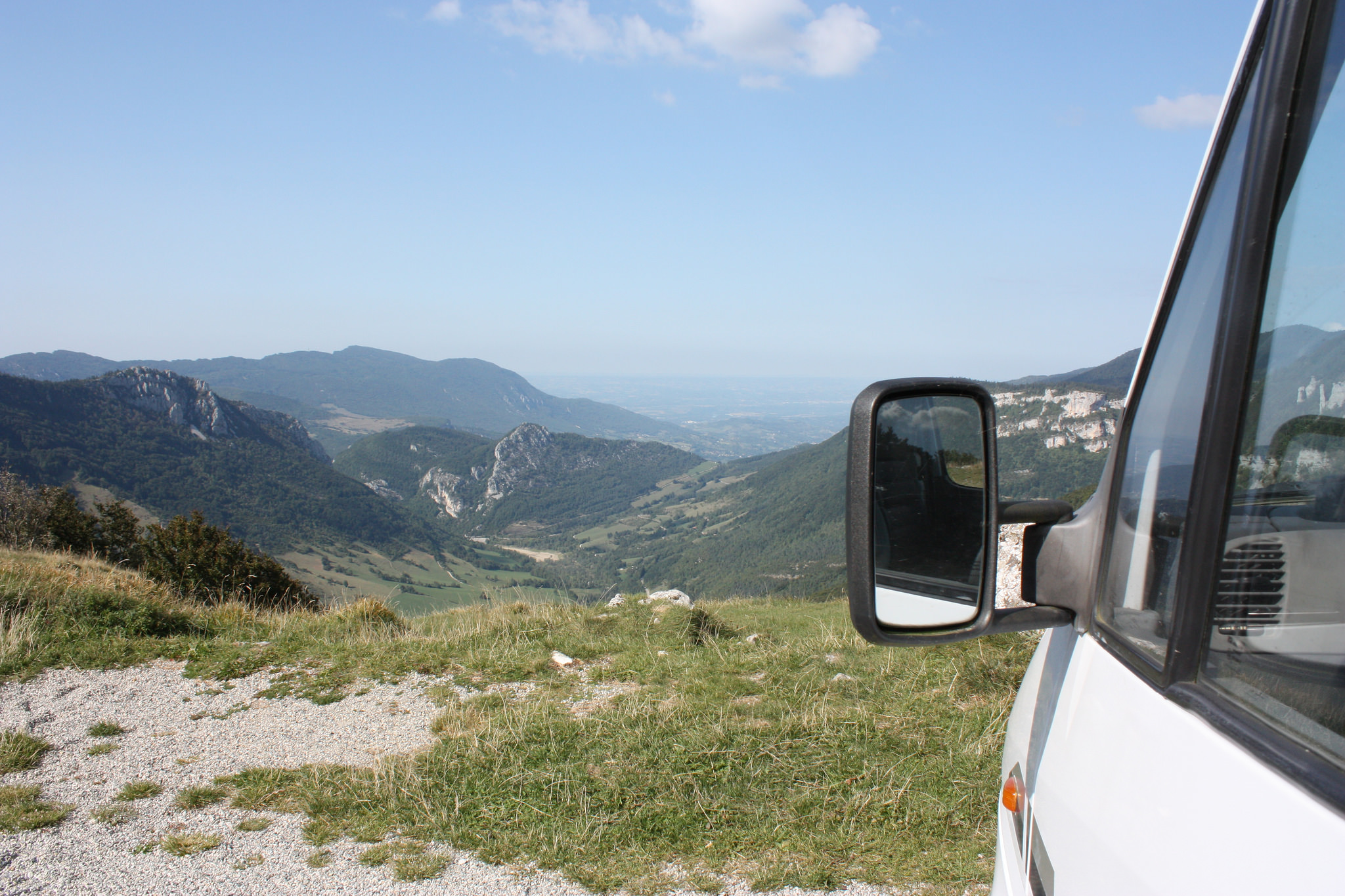
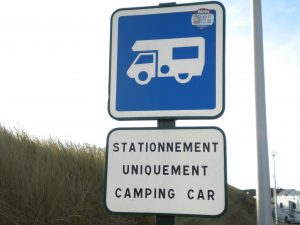
Wild camping – the French motorhome (camping car) community is very keen on enforcing the right to park pretty well anywhere. We have parked on grass verges, lay-bys and car-parks both out of town and in the centre of small towns, and never had any problems. Obviously attractive stopping places like promenades might have prohibitions (saying something like interdit aux camping-cars), which we always respect. The important thing is that you are parking, not camping, and nothing other than the tyres of your vehicle touches the ground – no table, chairs, awning or windbreak. Some people use supermarket car-parks, but we’ve always found something nicer, like a cemetery. Be sensible and respectful and all will be well
Campings municipals – well signposted small campsites in towns, usually with decent facilities at a modest price. These are very often unstaffed during the day (especially off-season). You pitch up somewhere sensible and someone comes along in the evening for your money
Commercial campsites – as in the UK, these vary from the modest and reasonably priced, to holiday-camp type establishments. People talk about the ACSI card as a way of getting off-season discount but we’ve never bothered, because we mostly go for France Passion or aires
Driving
I’ve found driving in France mostly very pleasant. People can be aggressive in big cities, but I have received sympathetic treatment when I’ve had to make unusual manoeuvres. By default the name boards of towns and villages signify the start of the 50kph limit, and a crossed out version of the same thing signifies the end of the limit. Increasingly the centres of towns and villages have 30kph limits and traffic calming. I try to respect all speed limits at all times, which can irritate the natives (less in France than Italy or Portugal, where all drivers are crazy). Speed limits in France are lower when it’s raining. In most of Europe do not expect drivers in the nearside lane of a dual carriageway to get out of your way if you’re coming out of a slip road – quite correctly it’s your job to find a space and match your speed.
When we first went to France the priorité à droite rule was still pretty common – if you were travelling along a road, someone emerging from a side road on your right had right of way. This has become less common now, but still often applies in the centre of towns and on very minor roads – or supermarket car-parks. In general French drivers are not suicidal in their application of this rule, but use their horn for instructional purposes if you neglect their priority.
Fuel
France is well equipped with out of town supermarkets. Always buy fuel at these – it’s much cheaper than service stations. Beware the French lunchtime. Even quite large stores shut for a couple of hours. Nowadays fuel can often be obtained by card at these times – but don’t rely on it. Similar considerations apply to Sundays and public holidays – we’ve been surprised a few times.
Gas
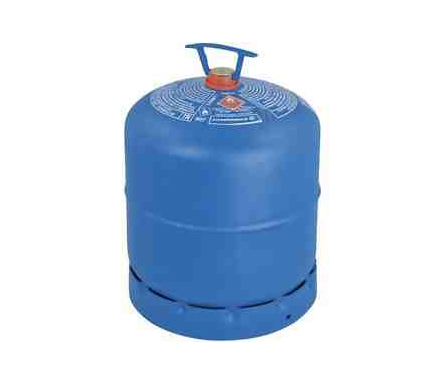
Camping Gaz is universally available in France from supermarkets and a host of other outlets. It’s also available in other parts of Europe. The downside is that even the big Gaz container is pretty small, and it’s butane, which doesn’t work in the winter. If you have a fixed or refillable gas tank I believe that Autogas availability is pretty good, but you might need a different adaptor – it’s not something I’ve done, so I don’t know any more. We tend to start with a full container of Calor propane and a couple of Camping Gaz containers so we go a long way before we run out and can easily buy replacements. If you’re staying a long time in any country you might want to go native and buy a container from a local supplier, bearing in mind that you’ll need the appropriate pigtail or regulator to make the connection.
Hook-ups
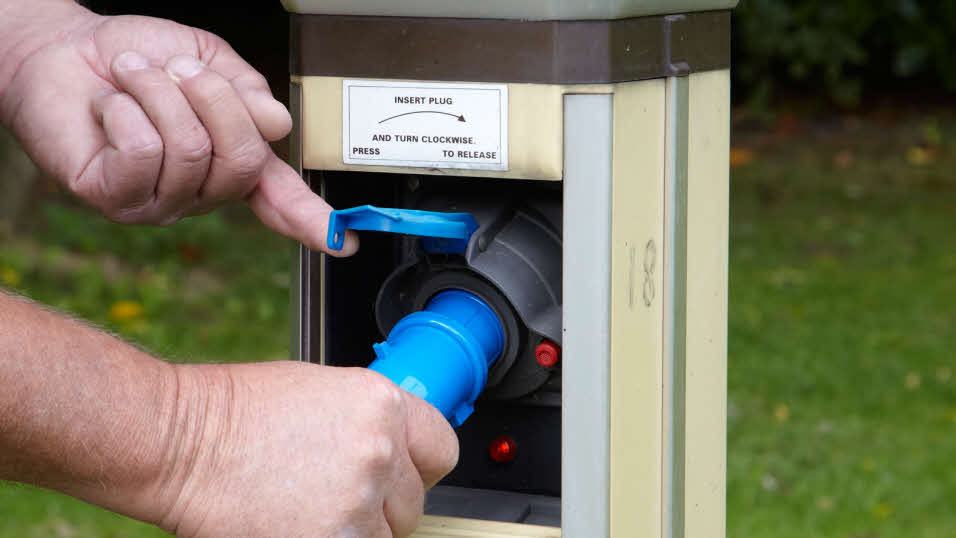
Known in campsite reception as branchement, and then when you look uncomprehending as électricité, hook-ups often have proper international blue connectors just like at home and all is OK. Sometimes they will have a standard domestic socket, so if you worry about having power (and it’s a good way of saving gas) then make sure you can cobble together an adaptor with a French domestic plug on one end and a hook-up socket on the other to receive your normal hook-up cable. The power output of hook-ups is often modest, so while fridges and battery charging won’t be a problem, hair-driers and electric kettles might be.
Some people (especially on internet forums) worry deeply about something (incorrectly) called “reverse polarity”. I’m not going to offer advice here, but simply tell you what I, as an engineering graduate, do about reverse polarity. The answer is very simple – I do nothing. I don’t worry or even think about it. I don’t check for it, or try to correct it. I just plug in and use the power. In all the years and all the places I have been, I simply exercise sensible caution with electrical connections and have never had any problems.
Random thoughts
Don’t over-plan, and don’t tie yourself down to a tight schedule. As you travel you will see interesting sights, find fascinating towns you’ve never heard of and stop at wonderful places. Take the opportunity to relax, be spontaneous and explore. Very often our plan is simply “go South at Calais” – the detail will emerge as we go, depending on what we see, how we feel, and what the weather brings.
Years ago, travelling with the three children, we saw a signpost and made a spontaneous decision whilst we were driving to return from Hungary via Slovakia rather than Austria as initially intended. We had no currency, map or camping guide for that country. It was before the days of GPS and the Internet. We bought a map at a garage, and headed for what looked like an attractive part of the country where people might camp, in the hope that we would stumble across a camp site. We didn’t find one, but spent a peaceful night in a lay-by, separated from the road by apple trees, with the pup tent pitched outside the VW camper. We continued with our educational trip through the makeshift border with the Czech Republic and then through what had been East Germany, throwing in a trip round the VW factory at Wolfsburg. None of this was planned, but we all enjoyed a great practical learning experience about European geography, history and politics, as well as the vagaries of CV joints on VW campers when subjected to rough concrete roads.
Another time we headed into the centre of Paris in the Friday night rush hour, parked right at the base of the Eiffel Tower, spent a couple of hours looking at the view as the sun went down, and when we’d finished wondered what to do for the night. We just headed out of town, past the airport, and as the roads became smaller, we had an opportunity to park in a lay-by. It looked a little different and more inhabited in the daylight, but no problems.
Try to stay legal. In Hungary we were stopped by a policeman who pointed out a random 30kph limit sign at some abandoned roadworks. He indicated that he thought we were speeding. If I gave him the equivalent of around £5 he would be happy. We each spoke around 6 words of German, but not the same ones, so having seen how low the stakes were, I just played dumb and showed him all our documents. In the end he ran out of ideas, and wished us a good holiday.
Take opportunities to keep water tanks full and waste tanks (black and grey) empty, and make sure you have a belt-and-braces solution for gas. Be sensible and considerate, and take reasonable but not obsessive security precautions.
Talk to others you meet on your travels – they’ll give you ideas on places to go and sights to see. Nowadays Google is invaluable. I often browse at lunch time and in the evening to learn about our location, and what is of interest in the area. A couple of years ago that led us to a fascinating tour of Canadian WW1 trenches. Lunch and tea time stops are good for selecting the destination for the night, once you have some idea of how travel for the day will go. Google, paper maps and perhaps the France Passion Guide will provide the coordinates for the GPS, but if something interesting comes up before your destination, be flexible.
The low level of productivity in the UK has become a hot topic in recent years. Simplistically it sounds as though workers are not working hard enough – all we need to do is crack the whip a little, people will knuckle down and work harder and the problem will go away.
However a slightly more sophisticated analysis than that normally offered by politicians or the tabloids suggests that one element in this failure to improve productivity is actually a side-effect of the country’s success in achieving high levels of employment – a lot of the new employment is in the low-skilled service sector and “gig economy”, where individuals typically don’t generate much revenue per hour, for themselves or anyone else.
And therein lies the dilemma. Which do we want – full employment (even where many of those jobs leave people still on benefits) or high value-add for those employed, but higher unemployment?
I’m not normally short of opinion, but I really don’t know the answer on this one. Is having a job such a noble aspiration when that job is exploitative?
On the other side of the argument, I know at first hand that a lot of revenue is being lost at the moment while people like me with high levels of skill and potential revenue generation are left outside the world of employment, partly by choice and partly as a result of various forms of discrimination.
We were meeting a group of friends for a long weekend in Hereford, but had a few extra days to explore. A month or so earlier we’d travelled to South Wales on the A40, so we decided to travel to North Wales and then head back South to Hereford. It turned out that a theme of our trip was rivers, canals and lakes and we found ourselves alongside the Wye a number of times. And why not?
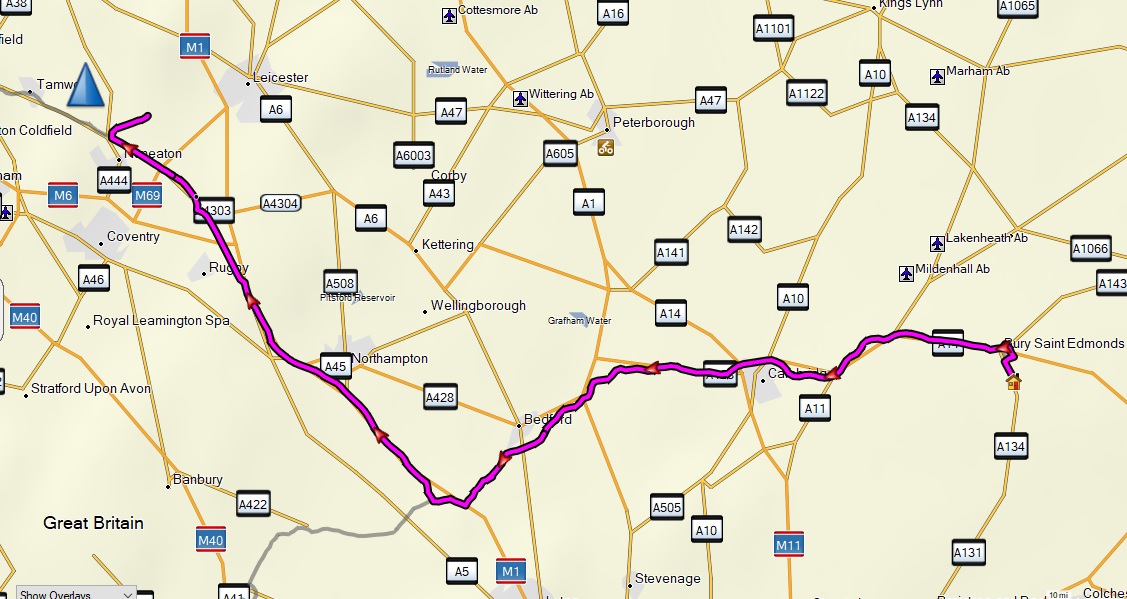
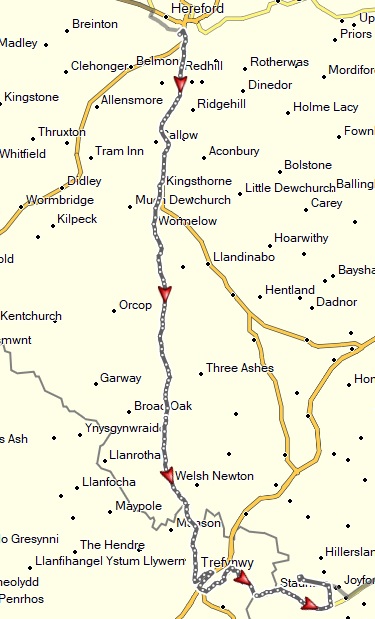
Bury to Trevor (near Llangollen)
Bury to Trevor
Forget about getting your kicks on Route 66.
I like to drive b-dum b-dum The A5 b-dum b-dum
OK, it doesn’t scan well, and doesn’t quite have the same romantic appeal. Having recently travelled to South Wales mostly on the A40, when I noticed that the A5 stretched all the way to North Wales I couldn’t resist the challenge of following that route rather than whatever Garmin thought was sensible. The fact that much of the A5 was built by the Romans as Watling Street made it all the more appealing. Considering it’s been around for couple of thousand years, the road surface is pretty good.
So was the plan a good one? In truth probably not – we normally avoid the endless dreary and decaying Midlands suburbia on the motorway. I had hoped that we might discover hidden charms in the area but they were few and far between. We finally found a pleasant canal-side lunch spot at Sutton Wharf near Bosworth, but it was a late lunch.
Once we cleared the Midlands the A5 became less crowded and more scenic, and our overnight location at Trevor, beside a canal and looking across the Dee valley, was delightful. The Sun pub was very hospitable, the natives were friendly and the food and drink were good.
Pontcysyllte Aqueduct
Pontcysyllte Aqueduct – don’t look down
A creation of Thomas Telford, this is the longest and oldest in the country and highest in the world. It’s certainly one of the classic constructions and as it was only a couple of miles from our overnight stop it had to be done – we enjoyed a peaceful walk along the canal and eventually found ourselves at Trevor Basin, to one side of which the Pontcysyllte Aqueduct takes the Llangollen Canal over the River Dee. It’s a magnificent piece of engineering, but even as an engineer the most pressing feeling I had as we walked across was how narrow was the path alongside the cast iron trough that carries the waterway.
Swallow Falls
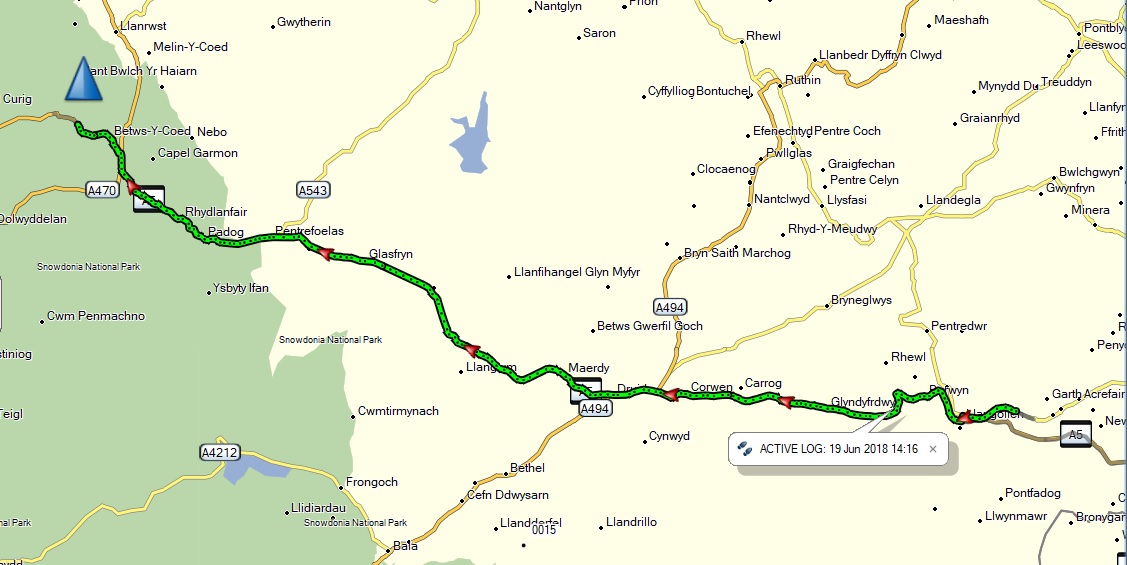
Trevor to Swallow Falls
Having walked the walk along the canal we decided to move on to Betws-y-Coed – more specifically the Swallow Falls Hotel, which is hotel, pub, campsite and Youth Hostel. As a motorhome, we could park overnight and took advantage of the location to visit the Swallow Falls, just over the road from the hotel. They’re pretty, and there’s something compelling about the sheer energy of a waterfall – I guess it’s a lot more energetic when the weather’s not as good.
Swallow Falls
We had dinner and a couple of pints at the hotel – slightly caught out by the fact that they stopped taking food orders at 8pm, so we missed out on dessert. I now understand the significance of the barman coming round and collecting the menus – he could have said!
Swallow Falls to Rhayader
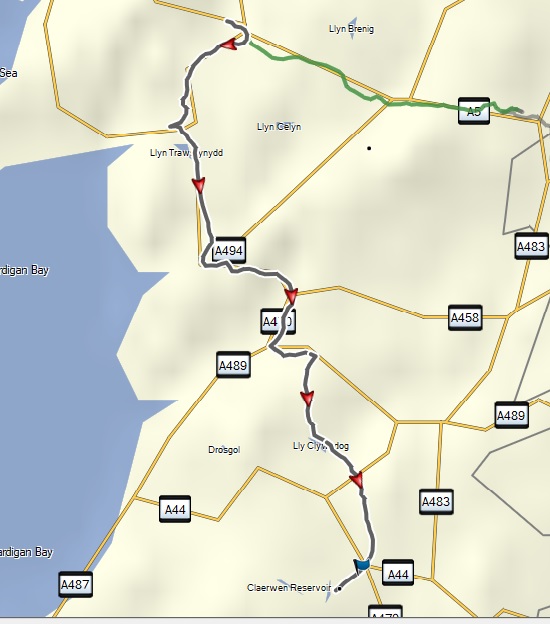
Swallow Falls to Rhayader
When you’re driving a motorhome in Wales (or Scotland or Cornwall) and the GPS tells you to take a B-road you think twice. When the start of that road advises that it’s not suitable for HGVs or coaches, your feeling of insecurity just grows. However, in the case of the B4518 we hit lucky. Not only was it reasonably wide and well maintained – it was also a glorious road taking us o’er hill and dale through verdant pastureland, with the highlight lunch stop at a viewpoint over Llyn Clywedog, an artificial lake used to control the River Severn. The wet weather meant that we had decided to travel rather than explore locally, so we had plenty of time to stop off for a walk at the nearby Caban Coch reservoir in the Elan Valley before heading to our camp site. The Elan Valley holds memories for us of a holiday we took before we were married – except today the weather was decidedly autumnal. Nice that the Elan Valley is still not over developed – just walks and bike trails from car-parks that are still free.
Caban Coch reservoir
Wyeside Campsite
Just a few minutes walk from the centre of Rhayader this is a new acquisition by the CCC. It used to be council run, and has seen little development or investment. The upside of this is simple quiet camping on grass right beside the River Wye, within cycle or energetic walking distance of the Elan Valley. Sadly we’re only here for one night. Definitely worth another visit in the future.
Wyeside Campsite
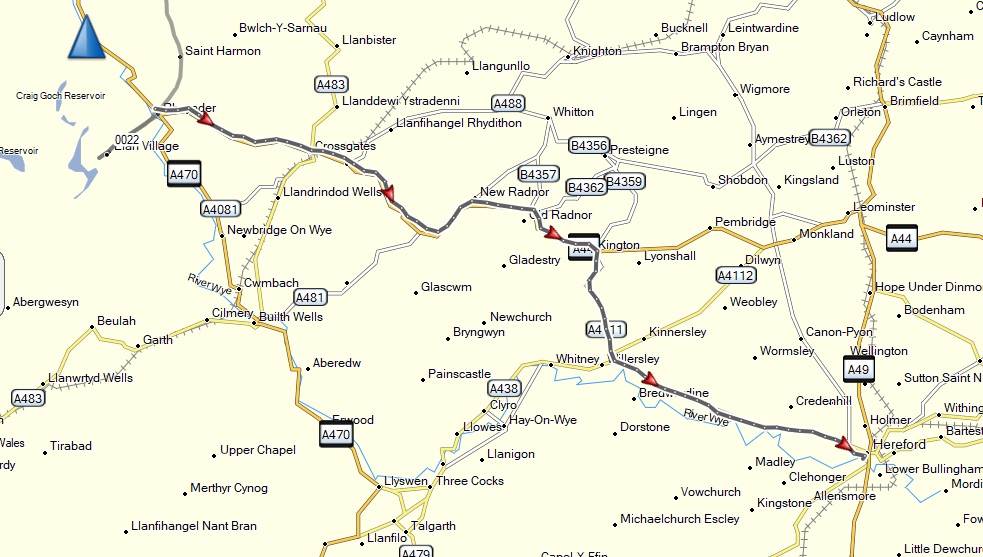
Rhayader to Hereford
Rhayader to Hereford
Just a short 47 mile drive through green and rolling countryside to our rendezvous with friends in Hereford. The destination was the Hereford Rowing Club, which runs a substantial campsite, open to the public, on the bank of the Wye.
Hereford Rowing Club
Their main business might be rowing, but the campsite at the Hereford Rowing Club is bigger than some dedicated campsites. Pitching is on grass, and it has all the facilities you might expect. The location is a few minutes from the town centre, but also provides quick access to a peaceful riverside walk and extensive parks, paths and cycleways.
A Walk around Hereford
Our group had arranged a guided tour around the city. Whilst there is some ugly modern development, the historic areas offer lots of history, secret delights and charm. A lovely place.
Hereford River and Cathedral
Waterworks Museum and Hereford Society of Model Engineers
At Broomy Hill, just a gentle and green walk along the river from the city centre, there’s a veritable playground for those who love engineering (I worked hard to find another way of describing boy’s toys). We were fortunate that the weekend of our stay coincided with a steam day at The Waterworks Museum and a public running day at the Hereford Society of Model Engineers, and absolutely beautiful weather.
The Waterworks Museum (http://www.waterworksmuseum.org.uk) was running an incredible number of working engines, variously powered by steam, gas and oil, including the oldest triple expansion steam engine working in Britain which is enormous, and for a Meccano kid like me, simply gorgeous. The lucky guys tending these engines were very happy to talk about them – a great visit.
Hereford Waterworks Museum
And then, right next door at the Hereford Society of Model Engineers (https://hsme.co.uk/) there is nearly a mile of track and a great range of engines (steam, petrol and electric), offering rides, sounds and smells. The site also features a pond for model boats – boy’s toys indeed.
Hereford to Coleford
Hereford to Coleford
We had two days remaining, and decided to try the Camping in the Forest Bracelands campsite at Christchurch, near Coleford in the Forest of Dean. Years ago (long before the days of GPS) I was careless in route planning and found myself towing a caravan through Symonds Yat – I got away with it, but it’s the sort of mistake you should only make once in your life, so I took great care to ensure that I forced the GPS to avoid such folly. A waypoint at Monmouth did the trick.
Bracelands Campsite
I had initially booked just a single night in case we didn’t like the campsite. We needn’t have worried. It was very spacious and we picked a pleasant horizontal spot on the grass (with no defined pitches). The facilities were fine, and there was a proper motorhome service point, all for a surprisingly low fee. Very civilised.
Bracelands Campsite
Cycle trails
One reason for visiting the Forest of Dean was to fit in some off-road cycling, and the area delivered. My initial exploration soon found a short trail to Symonds Yat Rock – mostly forest track, and a nice enough ride to an impressive viewpoint. As I set off on the return journey I had a chat with an activity leader to find the best way to get to the Cannop Cycle Centre. It turns out that connecting the trails with an off-road route is not easy, and I settled for getting there by road, with a bit of help from Google Maps and some hassle from uncouth car drivers.
Cannop Cycle Centre
Having established the route to the trails, on the next day I once again set off to the Cycle centre to ride the Verderer’s Trail, 7 miles of fun off-road riding, cunningly finishing with an exhilarating decent.
Time to go home
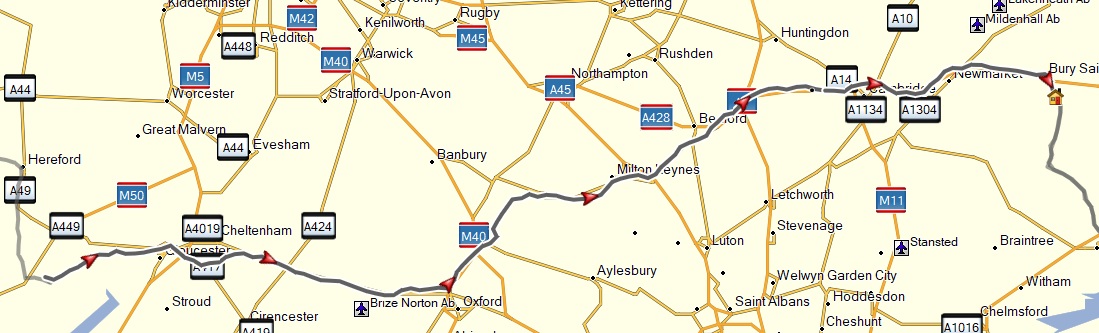
Coleford to Home
After a week and a half of enjoyable travelling in glorious weather, it was time to go home. This was a simple direct journey with the familiar problem of UK motorhome travel – decent places for a picnic lunch, without a height barrier.
See more
To see many more pictures (good, bad and indifferent) from this trip visit my Flickr album at:
Round trip GPS data: 292 miles, average speed 30.3 mph, maximum 115 mph!
It was February. It felt as though winter had been forever. Doing nothing, going nowhere – it’s not my favourite season. So I was delighted that we could get a week off babysitting duties and the weather forecast looked friendly – time to enjoy some of the delights right on our doorstep. Time for a drift around the Broads.
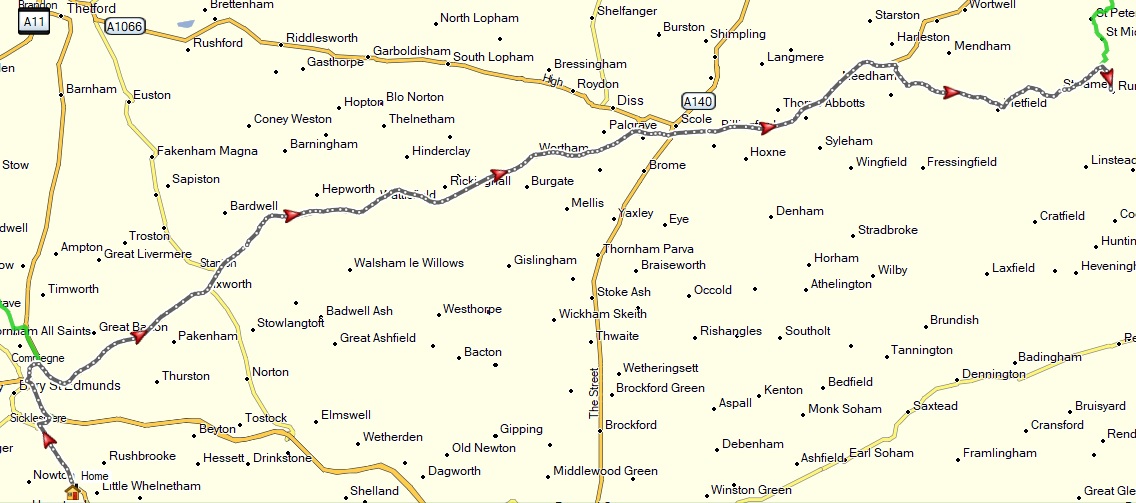
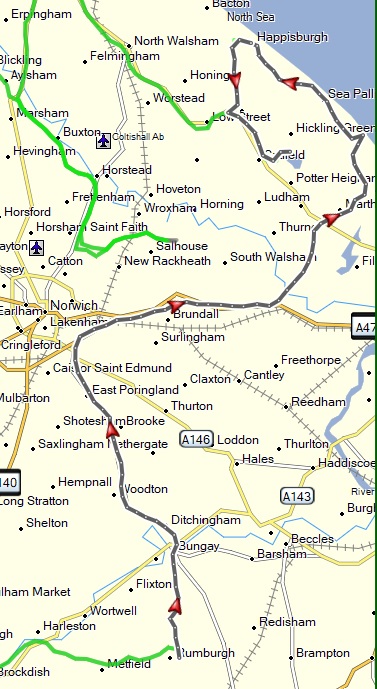
Day 1 – Bury to Rumburgh
Bury to Rumburgh – 41.3 miles. Click to enlarge
We set off around teatime with the aim of getting parked up at a comfortable pub for dinner – and just over an hour later we were installed at the Buck in Rumburgh. There’s nothing much to see at Rumburgh, but the Buck was warm and hospitable. After dinner we retired to the motorhome, pulled the blinds, put the heating on low and went to bed. Zzzzzzzz!
The Buck at Rumburgh
Day 2 – Rumburgh to Hickling
Rumburgh to Hickling – 60 miles. Click to enlarge
Very much a day near the Broads – and we occasionally saw them. We visited Horsey Windpump (https://www.nationaltrust.org.uk/horsey-windpump) and dropped in on the (closed for winter) Museum of the Broads. Our final destination for the day was the iconic Pleasureboat Inn. Most of the day was in Broadland but we wandered northwards along the coast for a while. At this time of the year travelling with a motorhome, this piece of coast didn’t offer any compelling stop off points.
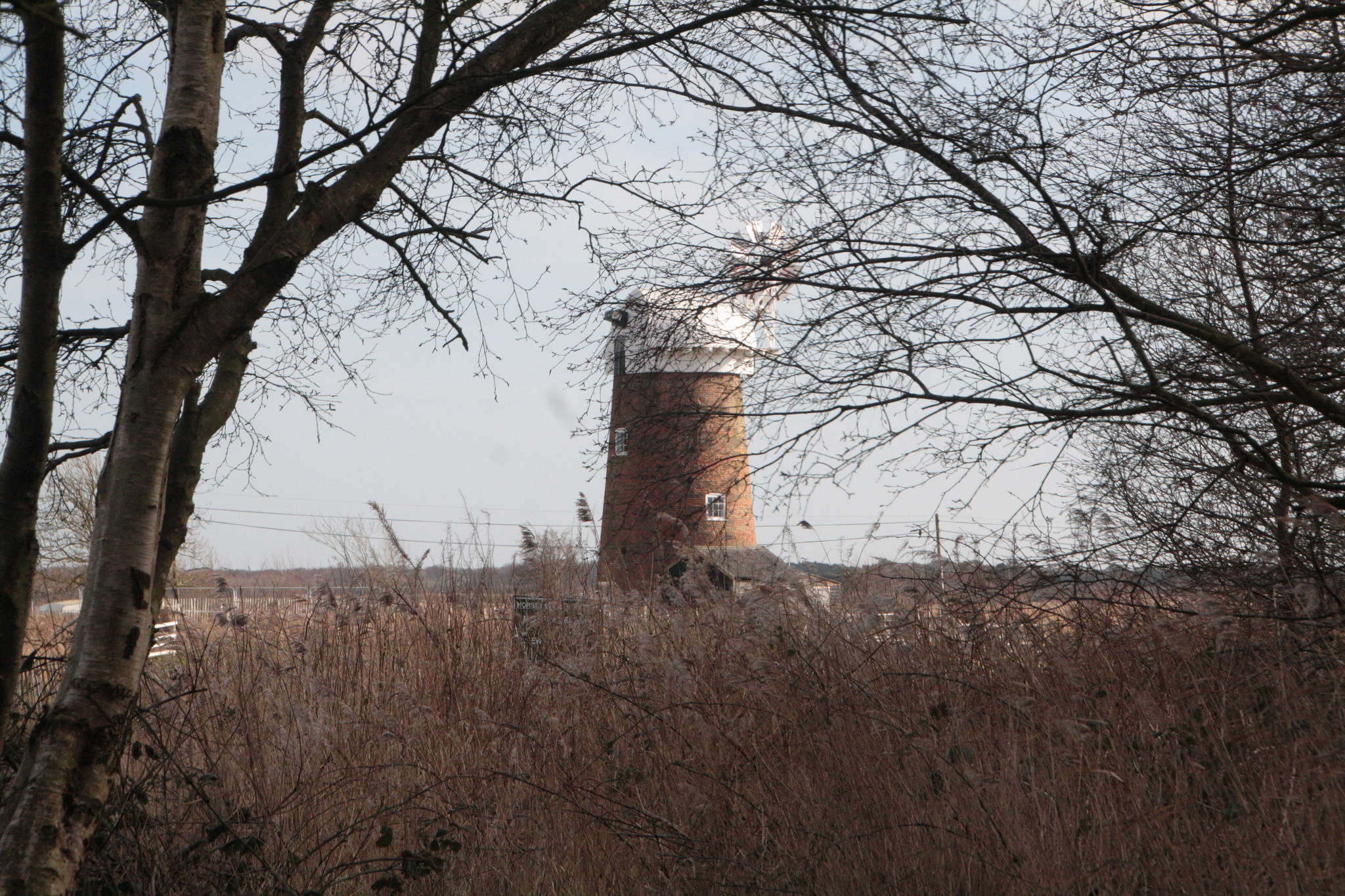
Horsey Windpump
Horsey Windpump. Click to enlarge
The odd thing about the Broads is that when you’re there in a boat they seem enormous and become your whole world but you really have to work at finding Broadland by road. We found a deserted, somewhat bleak but very scenic National Trust landmark (https://www.nationaltrust.org.uk/horsey-windpump). In the summer this would be heaving with boats and boaters.
Horsey Mere. Click to enlarge
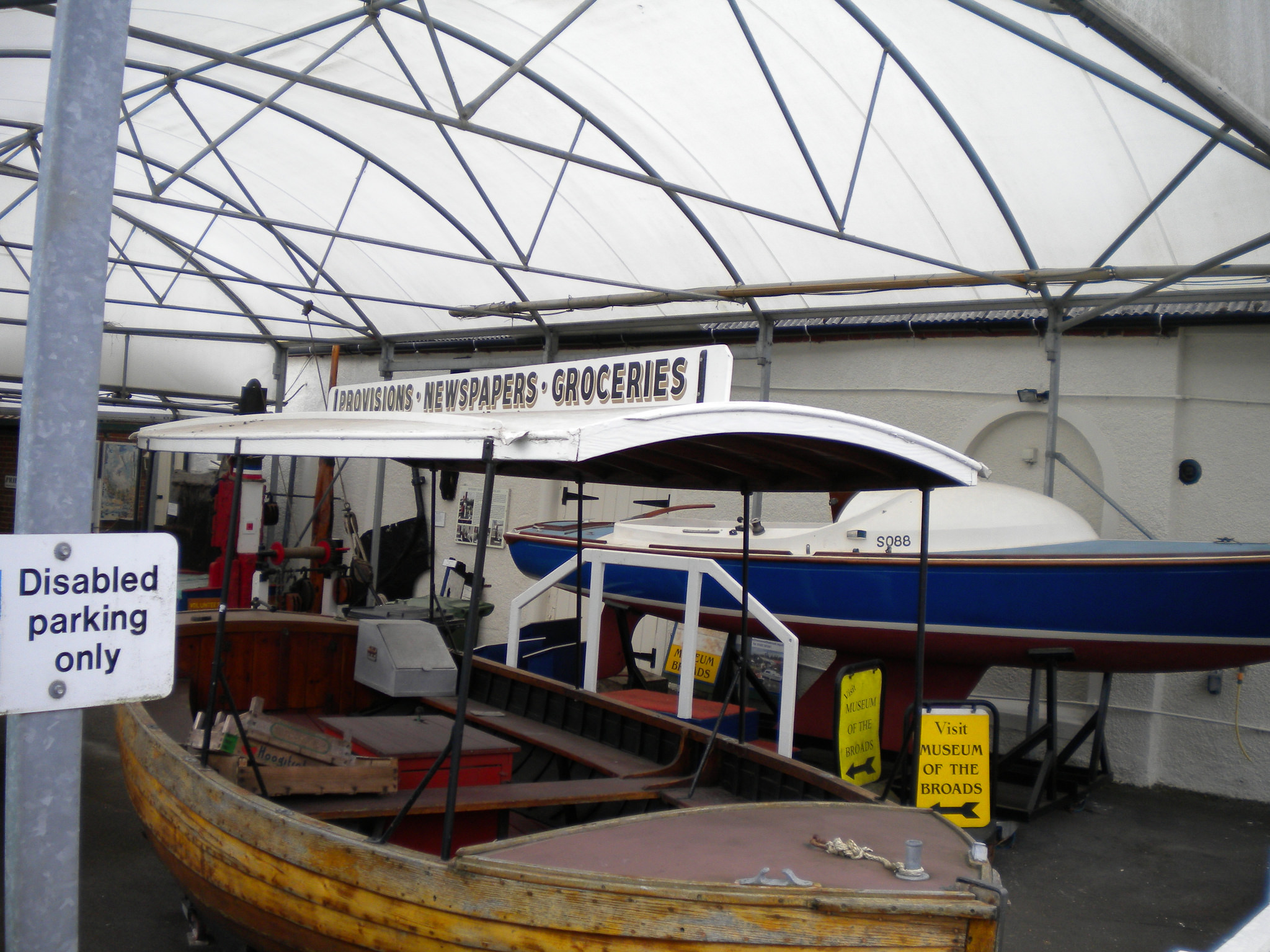
Museum of the Broads
Museum of the Broads. Click to enlarge
We followed a signpost for the Museum of the Broads (http://www.museumofthebroads.org.uk/). It’s tucked away in a corner of Stalham. We were able to park the motorhome just outside, perhaps because the museum was closed. We had an illicit look around, and saw some of the collection of quirky boats.
What is this for? Click to enlarge
The Pleasureboat Inn
In the summer this is a real honey-pot location. In February it was pretty desolate and not exactly buzzing. The pub was undergoing renovation, so food wasn’t being served, and the bar was virtually deserted. But the broad-side location was all you could hope for.
Pleasureboat Inn, Hickling Broad. Click to enlarge
Day 3 – Hickling to Woodbastwick
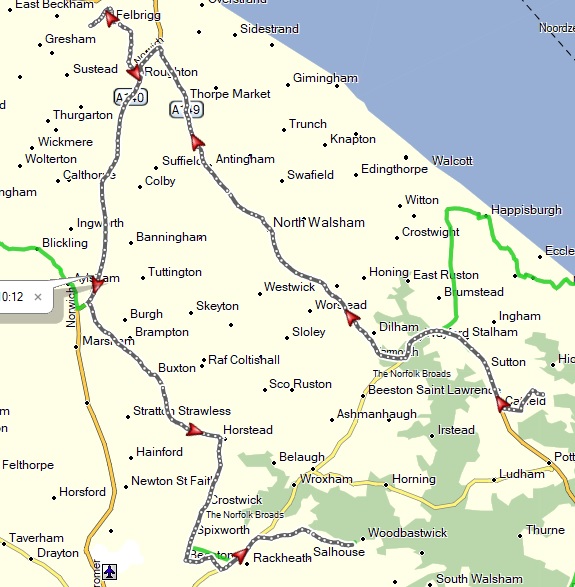
Hickling to Woodbastwick – 52 miles. Click to enlarge
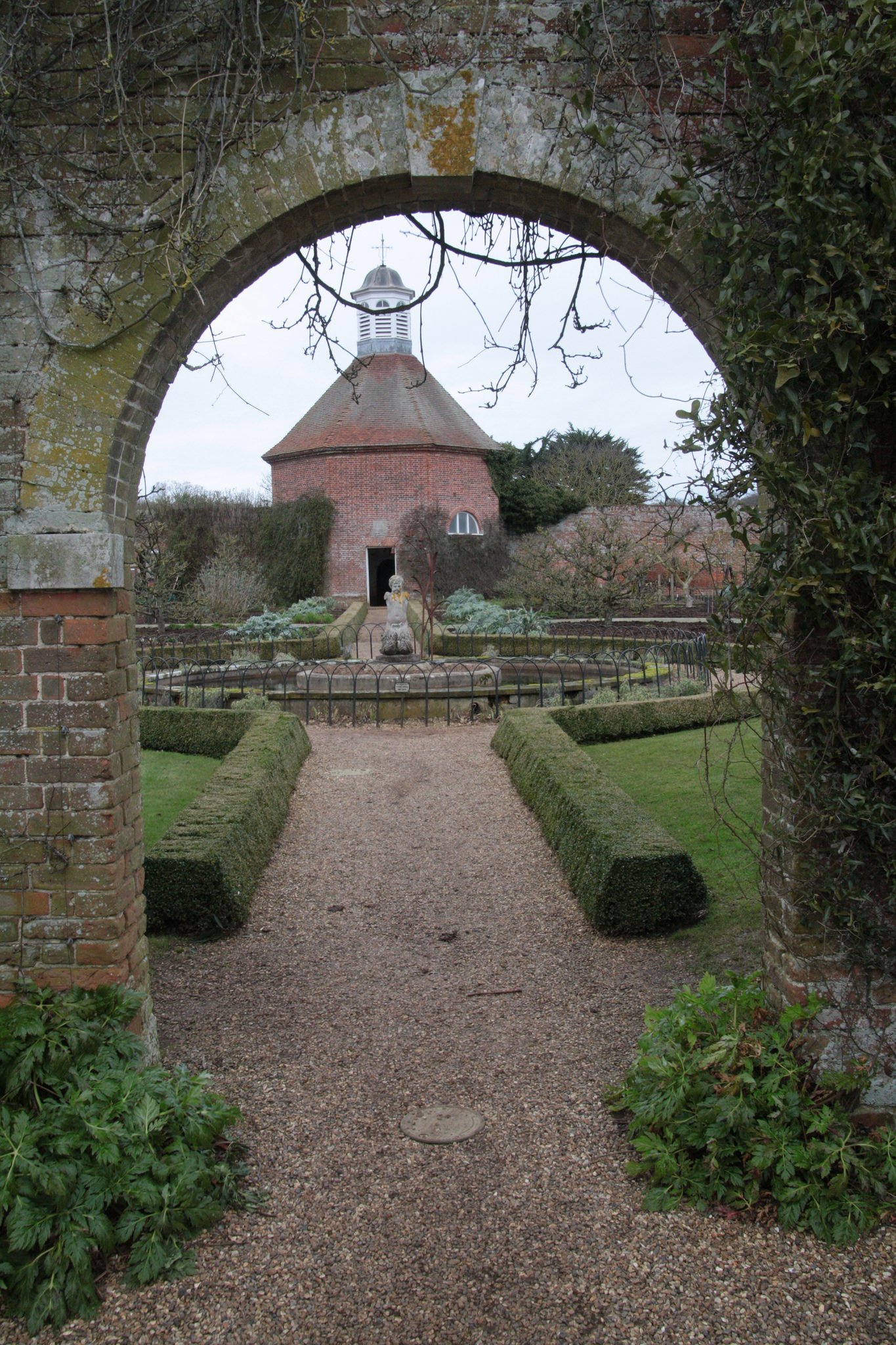
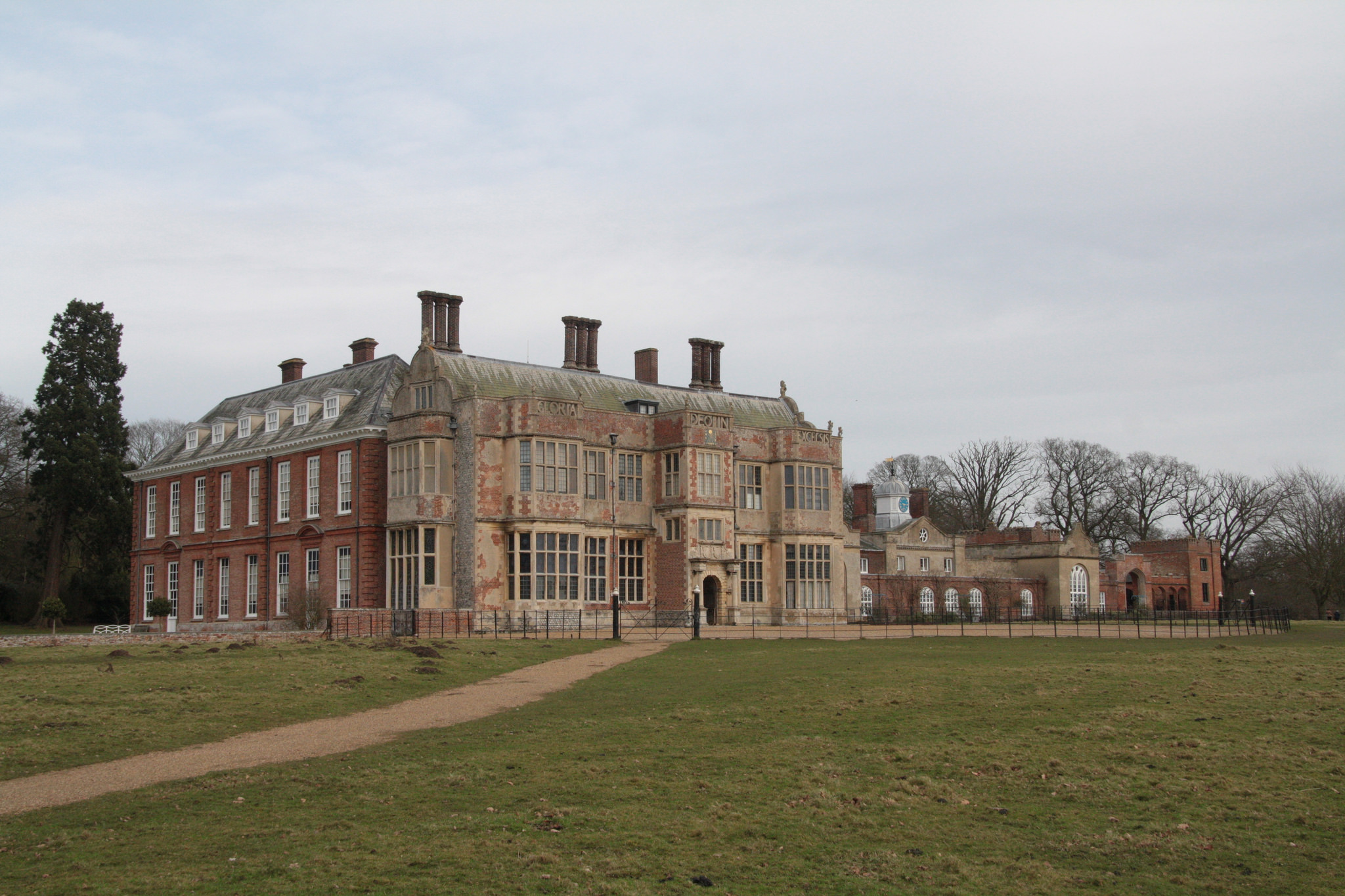
In our meandering style we travelled around 50 miles, visiting Felbrigg Hall before doubling back to very close to the day’s starting point. This was Valentine’s day, and we were taking a bit of a risk in looking for a good dinner at a pub without a booking, but we hit lucky with the Fur and Feather.
Felbrigg Hall walled garden. Click to enlargeFelbrigg Hall. Click to enlargeFelbrigg Hall Park. Click to enlarge
The Fur and Feather
The Fur and Feather (http://thefurandfeather.co.uk/) proved to be the ideal location for an overnight stop on Valentine’s Day. The pub is co-located with Woodfordes Brewery. It’s a lovely building with a great atmosphere, and the staff are welcoming and friendly. They served an excellent meal and we went back to the
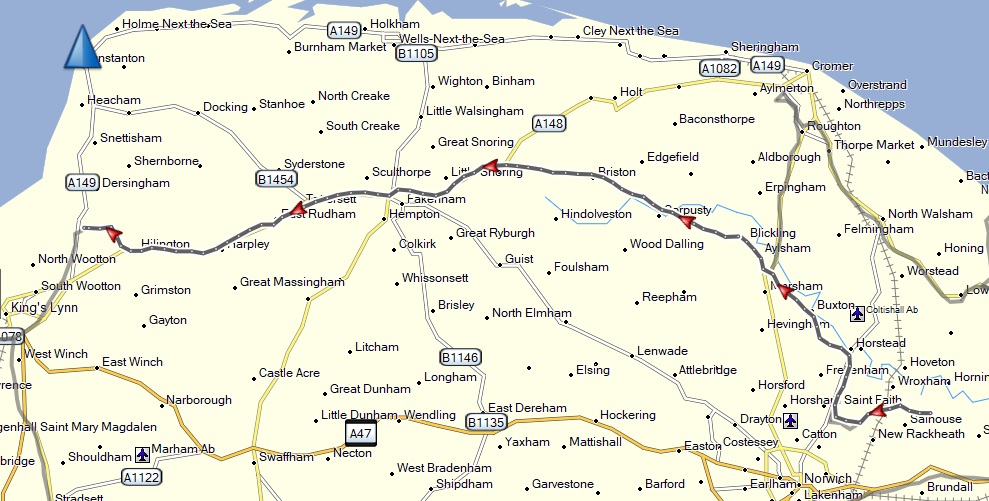
Day 4 – Woodbastwick to Sandringham
Woodbastwick to Sandringham – 53 miles. Click to enlarge
After a series of off-grid one-night stands at pubs it was time to visit a real campsite to carry out housekeeping activities – emptying and filling various tanks in the motorhome as appropriate. We can survive around three of four days between fill-ups, depending on how often we wash! We visited the National Trust Blickling Hall en route.
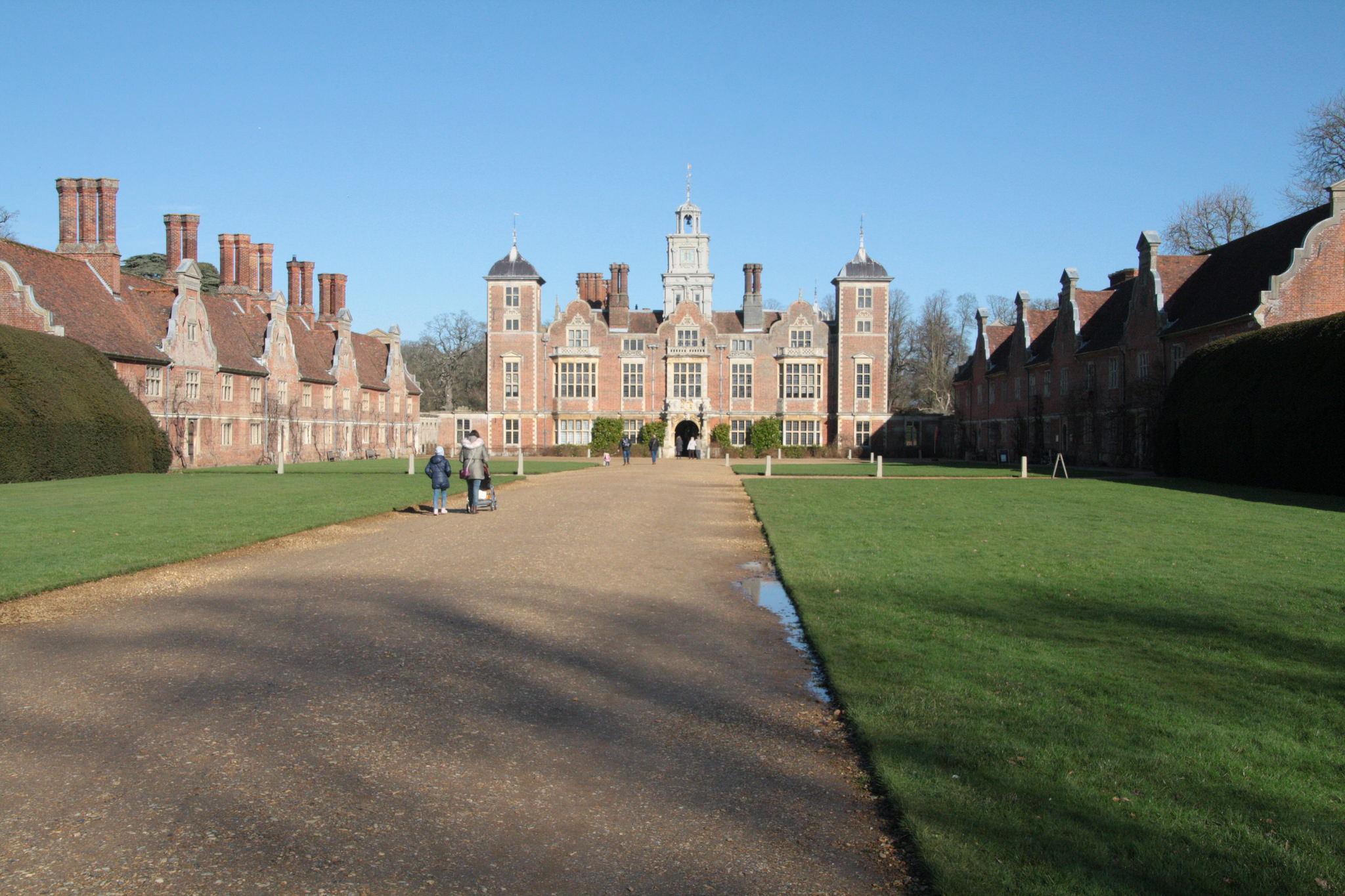
Blickling Hall
Blicking Hall. Click to enlarge
Another day, another wonderful National Trust Property. Our dog was more interested in parks than houses, so seeing the inside of the house will have to wait for another day – the park is magnificent.
Blicking Hall park. Click to enlarge
Sandringham Camping and Caravanning Club Site
We have visited this site over many years and it remains a favourite. Although it was early in the season we were blessed with warm and dry weather and our two night stay allowed for woodland walks and a really enjoyable jog along the estate roads (I had two half marathons to run the next month, so it was a great opportunity to get some miles in).
On pitch at Sandringham campsite. Click to enlarge
Day 6 – Sandringham to to Gedney Drove End
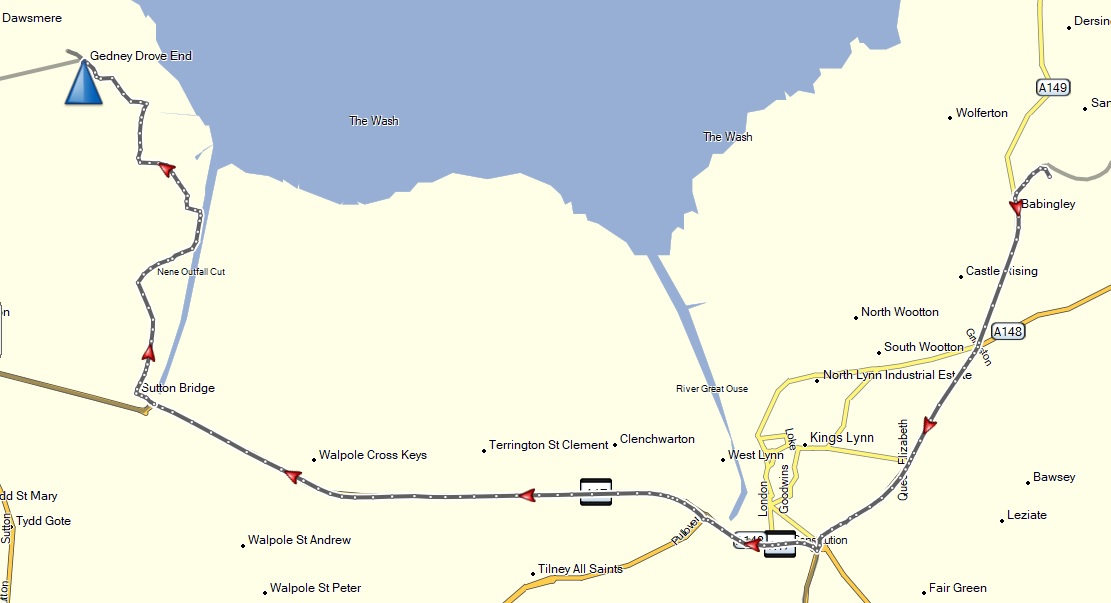
Sandringham to Gedney Drove End – 45 miles. Click to enlarge
If you look at the map of the area around The Wash it all looks pretty empty, so I was fascinated to take a look to see what was actually there. A look in the Britstops guide offered the Rising Sun in Gedney Drove End as an opportunity to explore that blank map.
Gedney Drove End
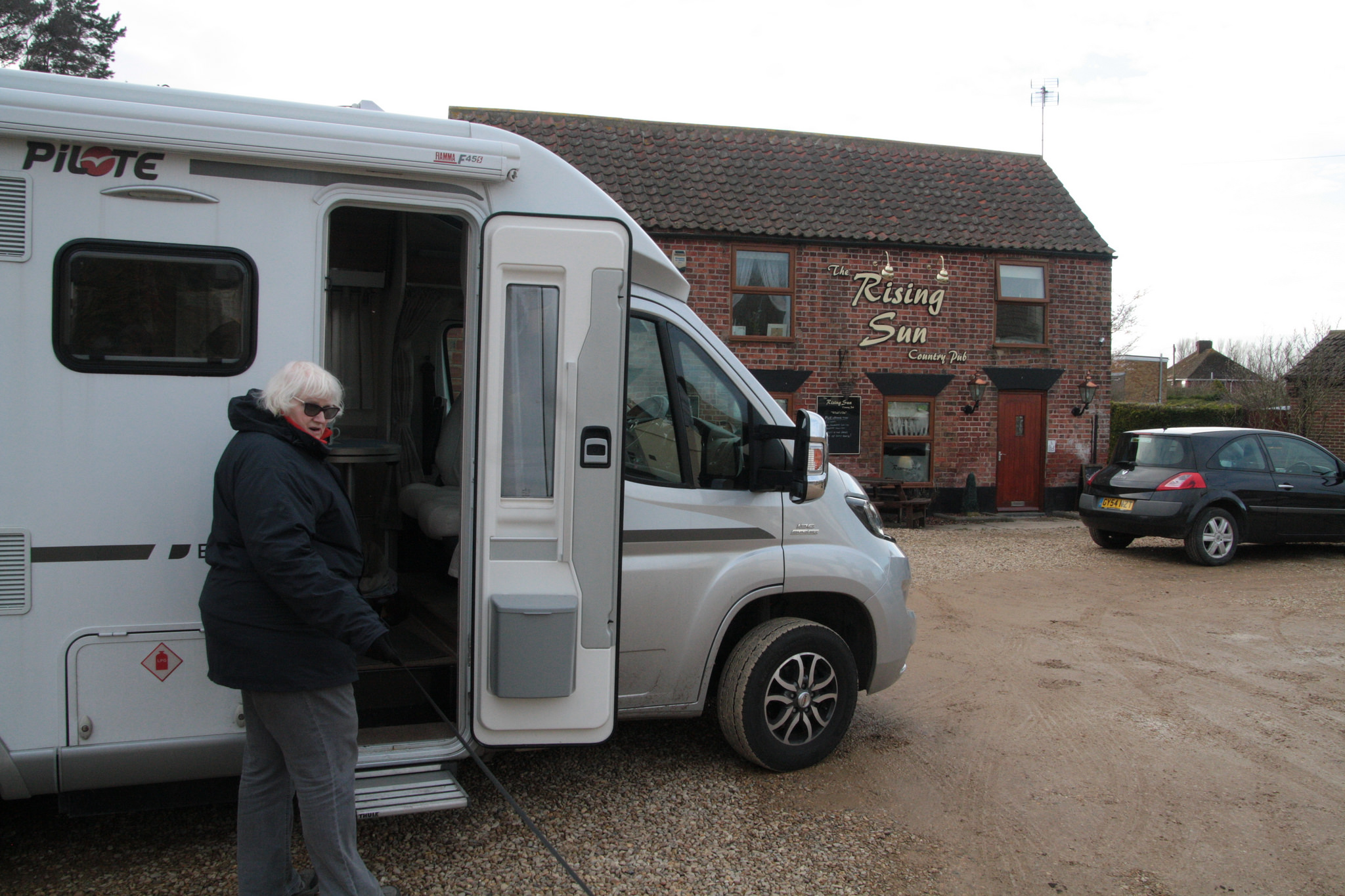
The Rising Sun at Gedney Drove End. Click to enlarge
The name suggests something akin to the end of the world, and it was certainly something like that. The Rising Sun was a good old-fashioned pub with characterful and friendly locals – we almost had the feeling that they don’t often get people from the outside world and they’re curious to hear what it’s like.
We were able to explore the world of Gedney, and while at times the sea is too close for comfort, as evidenced by the massive sea defences, while we were there it was very distant – outside of the sea wall was salt marsh.
Later in the day I was able to jog along the sea wall and see the extensive bombing range used by UK and other air forces. Fortunately all was quiet for my jog.
A view across the ploughed fields to some of the bombing range facilities at Gedney Drove End. Click to enlarge
Day 6 – Gedney Drove End to Home
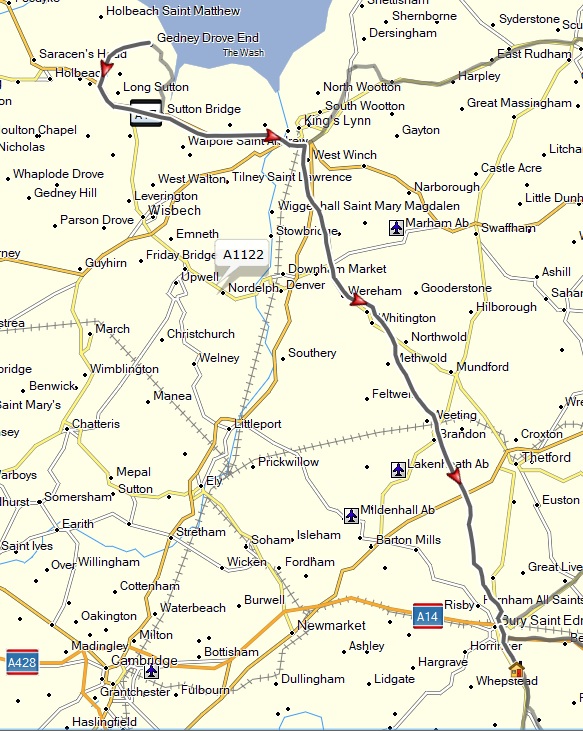
Gedney Drove End to home – 63 miles. Click to enlarge
And that was it – time to go home.
See more
To see all our photos from the trip, visit the Flickr album at:
Since recently finding myself accidentally retired I’ve been trying to cultivate a more leisurely approach to my leisure. No longer do I have to dash from my workplace to the driving seat of the motor-home, do a marathon dash to a site somewhere lovely to enjoy a few days of blissful relaxation before dashing back home in time for the next week as a wage slave. So, when I looked at the route from East Anglia to St Justinian’s it could have been all day on the road, or we could practise the art of slow travel, and enjoy the journey. Which was it to be?
Days 1 and 2: Bury St Edmunds to Oxford Camping and Caravanning Club site – it’s a little tired and the railway’s rather close, but what a location, especially when you have a bus pass! We have found that staying somewhere for two nights puts us in a mood to enjoy a location, rather than simply being in transit. So we enjoyed walking by the river, walking in the Parks (cricket – but cripes, aren’t they women?), a wander round my old college, and a night at the theatre.
Keble College, Oxford
Day 3: Continue westwards – no particular target. Over lunch at the National Trust Westbury Court Garden we took at look at the Britstops guide and selected a shortlist of candidate overnight stops in the Forest of Dean. We had a chance meeting with some amazingly observant friends, as I was lying under the van fixing our entrance step, which had gone on strike and was noisily protesting. Step silenced, we set off towards our targets, and after a couple of rejections we found the Royal Oak near Lydney – a good friendly old-fashioned pub with unpretentious food and good beer.
The Royal Oak
Day 4: Onward and westward. As the journey progressed we homed in on the CCC site at Rhandirmwyn (Welsh is an unfamiliar language, and I believe “Rhandirmwyn” is pronounced something like “randy women”). No problems in finding a pitch without a booking, and an opportunity to properly fix our recalcitrant step.
Rhandirmwyn Camping Club site
Day 5: Finally heading to St Justinian’s, via the magnificent Llyn Brianne reservoir.
Llyn Brianne Reservoir
Days 6 to 8: A great get-together with friends in fantastic weather, with walks to Whitesands and Porthclais and cycling to Solva, Newgale and St David’s (including an unsuccessful attempt to ride across a ford near the Cathedral). We’d never been to this part of Wales, and the meet was a great introduction to a beautiful part of the world.
St Justinian’s – two lifeboat stations, a bunch of boats and sea mist
St David’s – looks as though it needs a little repair
Day 9: Fond farewells, and on our way back home – slowly. Britstops listed harbour-side camping at Burry Port, another place I’d never heard of. It was all a bit wild-west free camping, Continental style, in a remarkably pleasant area offering walks and cycle routes.
Burry Port
Day 10: Weather too nice to be wasted motoring, so we walked and I took a cycle ride, mostly off-road, into Pembrey Forest – after all, this was slow travel. Eventually we dragged ourselves away from the sea, heading for a Britstops pub location. It turned out that the pub was closed that day. We were welcome to stay, but decided that parking in a sloping pub car-park without the benefit of the pub itself didn’t make a lot of sense, so I consulted the app Park4Night. Just down the road was a car-park for the Eagle’s Nest viewpoint in the Wye Valley. Overnight we shared the peaceful wild camping spot with four vans – a whole bunch of alternative lifestyle people.
Day 11: A quick excursion up to the Eagle’s Nest for a fantastic view of the Wye and the Severn, and then set off for home.
View of the Wye and distant Severn from the Eagle’s Nest
This post is a little story about a couple of my formative experiences in a management role. I’m pleased to say that throughout my life I have remained true to the philosophy that emerged in those days – but I now realise that has probably been to the detriment of my career.
I entered my professional life with an incredible level of naivety. My father had a technical role in a top-secret organisation, never sought promotion and told me little about what he did. My mother stayed at home. I was the first one in the family to experience university. I had no insight or role-models for my working life.
Little wonder that when I left home and started to make my own way through life, I often felt like the wide-eyed bunny in the headlights.
How to win friends and influence people
A few years after leaving university and drifting fairly aimlessly through a couple of jobs, I found myself with what were at the time rare skills in writing real-time software just as microprocessors were first emerging into the world. Someone must have recognised some well-hidden latent talent, and I was managing a small group of engineers.
I had a call from one of the directors of the company:
I’ve just seen one of your engineers chaining up his bicycle at 08:50 – he’s 20 minutes late for work. What are you going to do about it?”
My answer, because I believe in treating people fairly, and that my job was to get the best out of my team for the benefit of the company and their own satisfaction:
Yes, but were you here at seven o’clock last night when he unchained his bicycle to go home after we spent the evening fixing a bug?”
I heard no more about that problem, but some time later my boss summoned me into his office to tell me that one of the directors had come over to our building and seen one of my software contractors staring at the ceiling rather than working:
We don’t pay him all that money to stare at the ceiling. Could you make sure he doesn’t do it again”
The contractor concerned was a very productive and creative engineer, but indeed didn’t come cheap. My answer:
We pay him for his creative technical skills. If he gets his inspiration from staring at the ceiling that’s fine by me. Feel free to complain if we don’t deliver”
You’re either with us or against us
I never understood colleagues who spent a lot of time cultivating the patronage of senior managers, and carried out their bidding unquestioningly. I thought it was my job to work with my team to deliver the best results we could.
I have always taken the line that if we have a success it’s a team success – if something goes wrong, that’s my responsibility. I chose to support and protect my team, but be demanding of my managers.
I’m pleased to say that, even as I began to realise that there are downsides of simply doing a good job and telling it like it is, I have chosen to stand by my principles. I’m sure it’s limited my career progression, but I have had the privilege of working with some fantastically talented and loyal teams, and been ableto sleep at night knowing that we’ve done our best together, as a team. With the benefit of what I know now, I’d do the same again.
Like many people, my career has been not so much the result of planning as a series of mostly happy accidents. I have always taken the view that as long as I am still effective at my job and enjoying it I would go with the flow and keep working, so maybe my retirement will also happen by accident.
Happy birthday
There I was thinking all was well with the world when my employers decided to take control of my career just in time for my sixty-fourth birthday. Their birthday present was to offer me my freedom, in the form of redundancy. What now?
Freedom is another word for nothing left to lose
Some people with whom I’ve discussed this don’t see a problem – why don’t I just get in the motorhome (RV if you’re from the States) or on my motorcycle, leave all the work-related hassle behind and enjoy my freedom. But as I experience my new-found life of leisure I’m realising now just how much I enjoy the challenge and excitement of technical innovation.
It’s always good to have a Plan B or C…
When I was made redundant, my plans formed rapidly:
Plan A – exploit the breadth and depth of my product innovation experience offering my services as a freelancer. I acknowledged the risk that only a small segment of the industry would recognise the value and have the money to pay for my services and indeed finding those customers has not proved easy
Plan B – get a “proper job”, with a “proper company”. I’ve had enough of what we might politely call the quirky behaviour of small tech companies. I’m well aware of the downsides of big companies, but right now their advantages sound attractive. Job applications via the web and LinkedIn have proved to be total black holes – introductions via my network have led to interviews, but no actual offers
Plan C – simply accept I’m now retired, and find new meaning in life. This is the only plan over which I have total control, and will be the default outcome in the case of failure of plans A and B.
Where am I now?
I would dearly like to work for a big tech company but remain sceptical about the chances of success in finding that dream job
I am interested in freelance assignments, but not looking proactively beyond my normal web and networking presence – the returns are simply not worth the effort
I will never apply for any job without some form of personal connection to the hiring manager
If all else fails, I have the motorhome and the motorcycle
If you would like to talk to a seasoned product/project manager with solid business development and marketing capabilities underpinned by strong technical understanding, here I am.
Take-aways
Never make assumptions about your on-going employment. Whether you’re in a multi-national corporation or a start-up, there’s no such thing as a permanent job
Take care of your career, especially as you get older. Go for jobs that will look good on your CV and give you a place in a high esteem network. Whether you are regarded as “past it” or “seasoned expert” will depend crucially on your recent track record
I’m not the only one – we are throwing away a vast untapped reservoir of skilled flexible and experienced professionals while at the same time complaining about skills shortages. A diverse workforce will always win over a group of clones
You learn who your friends are when you’re no longer a useful contact
If we’re all supposed to be working into our later lives, where will the jobs be?
Blendology E-ink conference badges and an iPad registration terminal at MIA Agents Day
Last week I was invited to attend the MIA Agents Day at Robinson College in Cambridge. This was my first opportunity to see the exciting new Blendology E-ink conference badges in action. Five years ago I had been at the same venue as part of the team for Blendology’s second ever deployment at TVC 2012. What a great opportunity to see how far Blendology has come in those five years.
Selling a solution
In the early days at Blendology I used to joke (with many a true word being said in jest) that Blendology was offering customers a problem rather than a solution. In reality we were offering a professional networking solution that delivered benefits for conference organisers, exhibitors and attendees, but there was a price – not just a financial cost but increased complexity for registration and badge preparation.
Organising badges for TVC 2012 – the night before in the Blendology office
For many customers that was a price well worth paying, and the Blendology team was able to take much of the extra burden from the organisers’ shoulders. The benefits of the comprehensive event metrics from Blendology meant that many customers came back time after time.
But anyone who has ever tried to organise even simple paper badges for an event with several hundred people will recognise the effort required to print, sort, and hand out badges. Over the years Blendology’s work flow has become incredibly refined compared to that event 5 years ago, but the challenge of producing paper badges has always been there for all event organisers…
…until now. With Blendology E-ink badges the paper is gone! Each badge can be instantly wirelessly assigned to the correct attendee, handling both pre-registered attendees and those who show up on the day – no need for printers or sticky labels and a felt-tip pen, and (my bête noire) no alphabetical sorting of hundreds of badges.
It’s now simpler to deploy the professional and sophisticated Blendology solution than even the simplest clip-on paper badge. Blendology E-ink badges are now definitely a solution rather than a problem, even before you start looking at the other benefits. So let’s look at what Blendology can now offer at a professional event.
E-ink badges – paperless, instant, convenient and compelling networking
Blendology created the patented oneTap technology to allow attendees at an event to exchange contact details simply by tapping their badges together. The new paperless E-ink badges continue to offer oneTap technology – you wouldn’t want to miss out on that compelling functionality. But they can also offer so much more:
wireless assignment to attendees using iPad hosted management platform either before the event or on the day (no wait for printers or folding and stuffing paper into badge)
personalised graphics and other information (such as table number for meals)
sponsor information
location maps
personalised agenda
Because it’s a paperless system, it’s simple to download new information to the badge, or reassign it to another person. Blendology demonstrated how, in a few seconds, they could take my picture on their iPad and add it to the display on the badge. Try that with paper badges.
Your connections await
So, you’ve done your networking, tapped your badge, avoided carrying home or losing a large pile of business cards, and you receive a link from Blendology to enable you to pick up the details of your contacts – here are some of mine:
The information can be viewed in various ways or downloaded as an Excel file for entry in your CRM system. Users can chose what they share with others, adding information to their own profile either manually or by populating it with data from their LinkedIn profile – Blendology’s software uses a LinkedIn API and allowed me to very quickly generate an impressive profile.
Analytics
Blendology is exciting because it offers something to all the stakeholders. For the event organisers it’s great that the attendees and exhibitors have an attractive way to network, but even better that they can get analytical information about the event, both in real time and for later analysis.
The data collected can demonstrate the success of the event in nurturing networks, and also provide location and footfall analysis.
Exhibitor booths
Blendology tap points on exhibitor booths can allow a self-service feature for visitors who want more information about a product, or facilitate conversations with booth personnel, working in a similar but less intrusive way to the commonly used bar-code scanners, as part of a single holistic data-collecting Blendology system.
Logistics
At that event 5 years ago we had a rudimentary registration app running on a PC platform. The system has come on tremendously since then with a range of capabilities to support pre-event and on the day registration, and in-event and end-of-day management features. With wireless hubs around the venue, connection data, footfall and room occupancy can be collected and displayed in real time, and attendees can be kept on track wherever they are with messaging to badges.
Why isn’t Blendology just a phone app?
This question gets asked all the time. Blendology has spent a long time working on this technology and has learnt that phones just don’t allow the same sort of universal connectivity – any solution for an event has to be “it-just-works” simple to deploy, and easy for attendees to use. Many people won’t download apps for an event. Even if they do, the wireless infrastructure at large events is notoriously unreliable. If you can get that to work, mobile phone incompatibility still prevents hassle free universal connectivity for all attendees. With Blendology it just works – it’s been designed so that it would work reliably in a tent in a desert, without any infrastructure or wireless connectivity. That’s what’s needed for events.
Looking good five years on
In the early days of Blendology a paperless solution was our dream – that dream is now a reality. Blendology badges tell attendees they’re at a premium event. Blendology offers something special – it doesn’t just record networking, but promotes it. I’m impressed.





 They charge quite a lot (I’ve forgotten exactly how much) and the connection speed is pretty useless as you can see from this test. Web browsing worked fine, but it proved pretty useless trying to do anything else. I guess I’m probably not typical, but for me a decent internet connection at a camp site is more interesting than a mains power connection.




 Campings municipals – well signposted small campsites in towns, usually with decent facilities at a modest price. These are very often unstaffed during the day (especially off-season). You pitch up somewhere sensible and someone comes along in the evening for your money






















 This post is a little story about a couple of my formative experiences in a management role. I’m pleased to say that throughout my life I have remained true to the philosophy that emerged in those days – but I now realise that has probably been to the detriment of my career.
 I’ve just seen one of your engineers chaining up his bicycle at 08:50 – he’s 20 minutes late for work. What are you going to do about it?”


 There I was thinking all was well with the world when my employers decided to take control of my career just in time for my sixty-fourth birthday. Their birthday present was to offer me my freedom, in the form of redundancy. What now?


