Much of what I wrote in my earlier blog also applies to portable panels – in general, from the operational point of view the bigger the better, but with portable panels there is the downside of storage when the panel is not deployed. A degree of compromise is required.
Advantages
Cheaper and simpler to install – a decent portable panel will have a built-in controller so you can just connect it to the leisure battery (or indeed the engine battery if you want to charge that) directly via crocodile clips or a convenient socket.
Can be placed in the sun even if you’re parked in the shade – good for keeping the van cool, or if you have no choice of pitch. You can also rotate it as the sun goes round to maximise efficiency.
Disadvantages
Storage space – by definition a decent panel is quite large, but there’s often a corner somewhere to hide it away.
Cables across the pitch
Risk of theft – it’s portable, so it’s designed to be easy to walk away with. You can chain it to the van, but then you lose some of the flexibility
Options for when your van is parked up
A battery maintainer
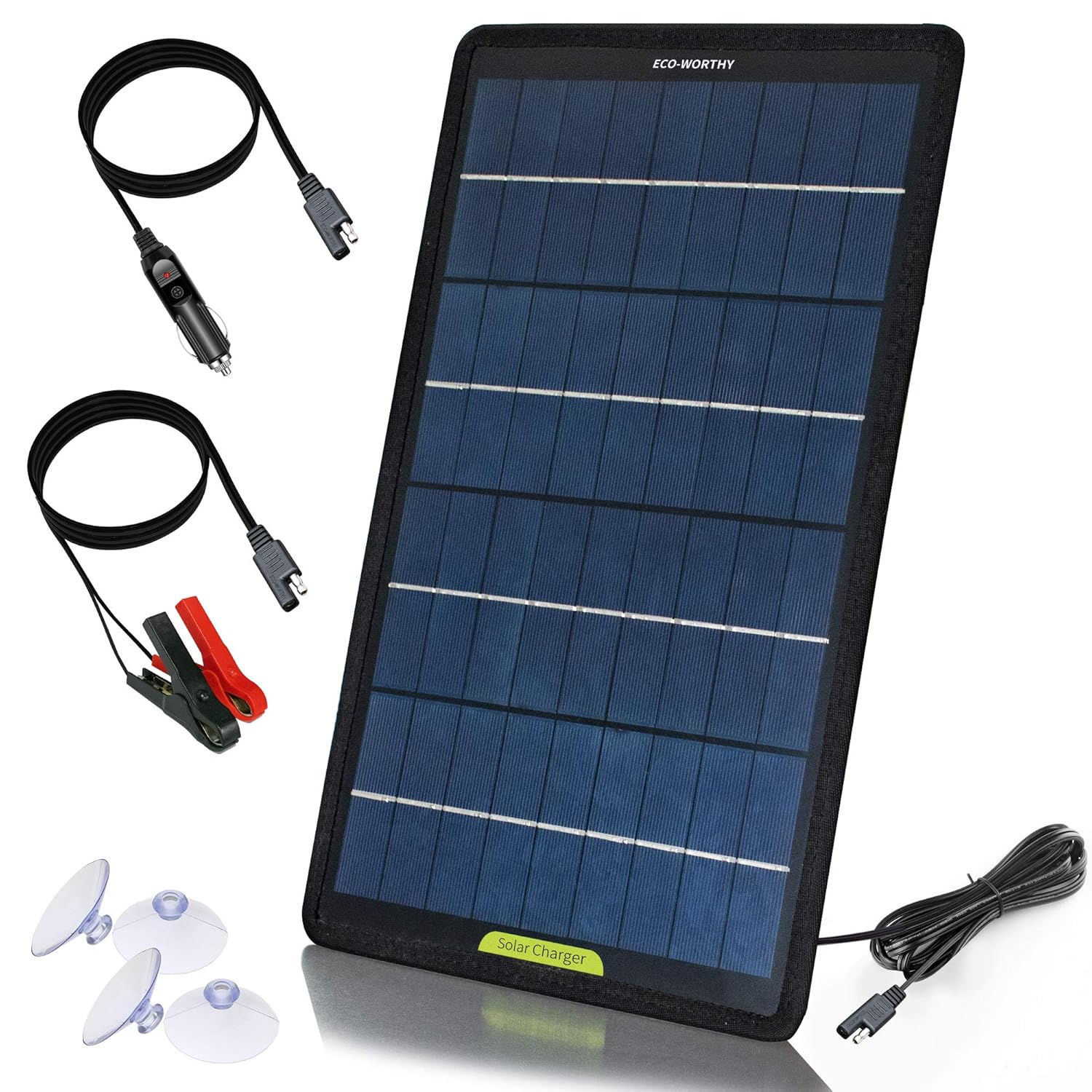
As another variation, to keep batteries alive while the van is in storage, you could consider a battery maintainer. Something as pictured above should keep either your leisure battery or your vehicle battery alive if you can locate it in a window that receives a reasonable amount of light. It wouldn’t provide enough power to be useful while you’re camping, but will do a good job replenishing battery leakage whilst idle. I’d go for a rated power of something like 10W.
…not when you’re choosing solar panels for you motorhome
In another blog I considered the sizing of solar panels for a motorhome. In this blog I discuss some of the other issues that you might want to consider before fitting a system with fixed solar panels. You can read about portable solar panels here.
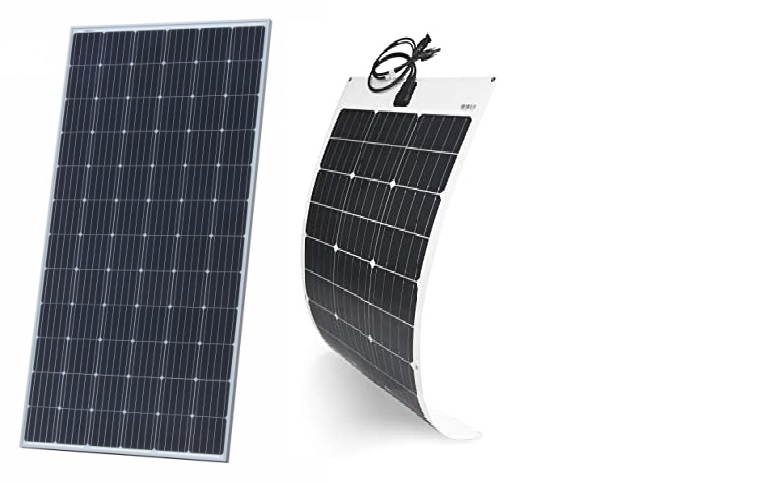
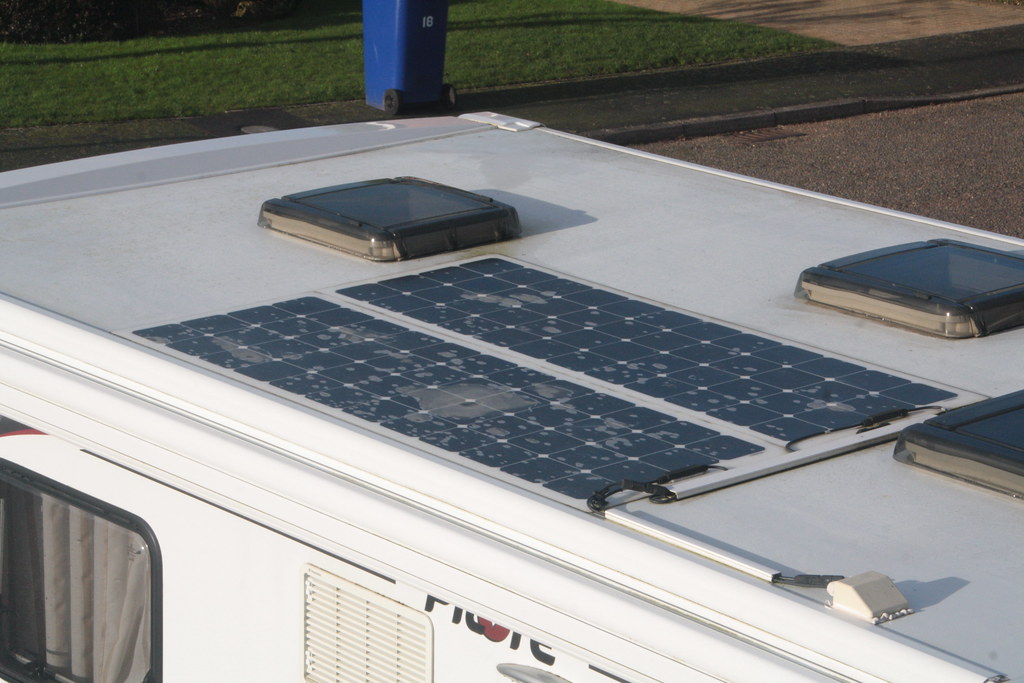
When we decided to fit solar panels to our motorhome I spoke to the dealer from whom I’d bought the motorhome. He told me that they normally fit flexible panels stuck directly to the roof. These are lighter and smaller than the alternative rigid panels (as you might have on your house). Since he was an agent for Pilote, familiar with the vehicle and the ideal location for the panels and the associated wiring, I took the easy way out and let him get on with it.
When I collected the motorhome everything was fitted neatly, and there wasn’t much to see from ground level. It turns out that the system only charges the leisure battery – my dealer thought it would charge the vehicle battery too, but that’s not really a problem for me. We’ve now been using the solar panels for a few seasons, so we’ve learnt a little about our system and its implications.
How could we have done it?
The alternative to our flexible panels would have been one or more rigid panels. Our motorhome has a very flat roof and no roof-bars, so fitting a rigid panel would have involved sticking mounting brackets to the roof. A rigid panel would stand clear of the roof, with potential for damage and wind noise. If you have a campervan or motorhome with a roof-rack, or mounting points for one, then fitting might be even simpler.
What have we learnt?
The system has worked well, and never caused any problems. Even with solar we have occasionally suffered from a low battery in extended bad weather (otherwise known as summer holiday), but at least there’s a way back. It’s good to know that normally even without a hook-up or running the engine, the battery will be fully charged by the evening, so that late night TV binge or hours on the PC blogging will be forgiven. And I know from other people’s experiences that solar is pretty well a must-have for those with compressor fridges.
Our 300W installation. The cable goes straight down to a connection point in the wiring loom
Heat
I’d never really thought about this. Flexible panels stuck directly to the roof can make the inside of the roof surprisingly warm, despite all the insulation. We have one cupboard which is now not a good place to store a Mars Bar. There are three factors to this:
solar panels naturally get warm as a part of their energy conversion process
the panels are much darker than the roof, and therefore absorb more of the heat from the sun
if you want to benefit from solar battery charging you tend to avoid the shade
Weight
A rigid panel is significantly heavier than a flexible panel of the same power. In practice this is not likely to be a critical factor.
Cost
Flexible panels are about twice the price of an equivalent rigid panel.
Controller
The Chinese MPPT controller works behind the scenes and appears to do a good job. The whole system is pretty unrewarding if you like tinkering with electronic gadgets, because it just gets on with the job. A controller from a company like Victron Energy might be more exciting, because you can link to your smartphone via Bluetooth, watch all those lovely electrons being captured, and monitor your battery state. That might help if your usage is marginal at any time, but in truth “it just works” is perfectly acceptable.
Durability
I can’t really comment on durability – yet. Our panels are now looking as though they’ve spent too long on the beach, but still seem to be working fine. Flexible panels are unlikely to be physically damaged by getting stood on, or by falling branches – a rigid panel is more fragile, but sat in its frame it’s still a pretty robust piece of kit.
Should anything go wrong, I’ve heard that it’s not a pleasant job to remove a stuck on flexible panel, whereas replacing a rigid panel mounted on a bracket should be trivial.
Summary
The system has enhanced our usage of the van and overcome charge anxiety, particularly for longer stays and out of peak season. The hot cupboard is a bit of an issue when the weather is sunny (although I guess it would be good for bread making). Otherwise, now we’ve spent the money, there are no real downsides for us. If one of your motivations is to maintain your starter battery whilst in storage, you will need to check out the choice of controller and the arrangement of the wiring so that both batteries can be charged appropriately.
I have a problem. Actually I have a lot of problems, but the one that’s relevant right now is that I studied engineering, so things like amps and volts and watts don’t really bother me.
V = IR seems entirely reasonable. Even v2 = u2 + 2as is fine, because it’s Newtonian mechanics. I do come relatively unstuck when Einstein gets involved and nothing is quite like you think it is, and I get even more uncertain when Heisenberg joins in (that’s a very bad physics joke).
But I digress. When I was writing my blog about solar panels for motorhomes, I realised that my terminology might confuse some of my readers – if indeed I have any. So I thought I would put together a little explanation of some of the terms I used in that blog and attempt to use a plumbing analogy to explain some of the logic.
The plumbing analogy
Water tank
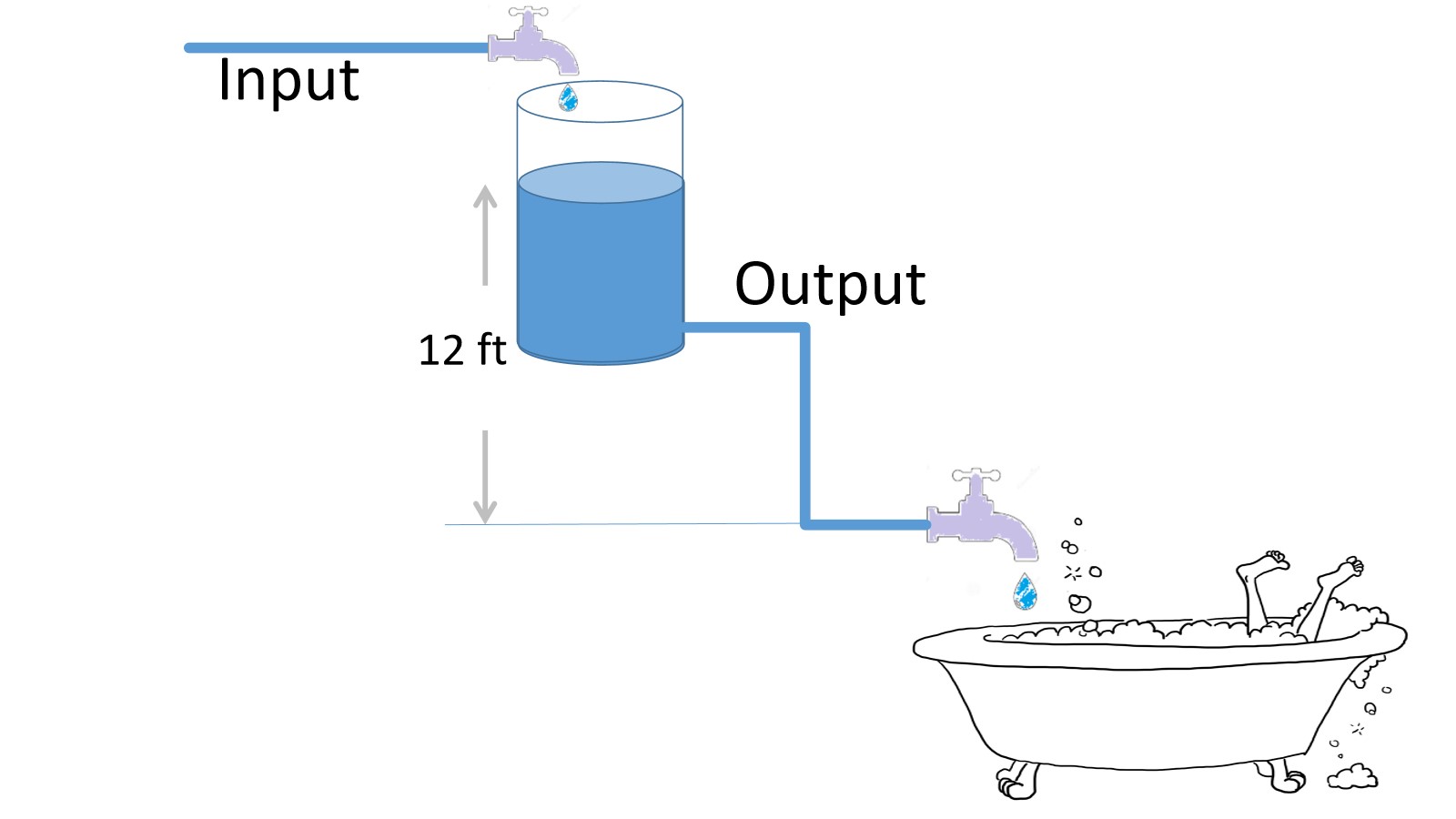
The diagram above shows a bath filled from a water tank above it. That water tank in turn can be filled from a pipe marked “Input” which is fed by a stream. There is a tap on the input pipe which can be turned off to stop the tank overflowing. The water level in the tank is 12 ft above the bath tap. The tank can hold 100 gallons of water.
This water tank is equivalent to the battery in a motorhome electrical system.
I’m worried already that I’m just confusing the issue
Bath
The bath consumes the water from the tank, fed through the pipe marked “output”. The flow of water into the bath is controlled by the tap.
Terminology
Volts (V)
Electrical volts are equivalent to pressure in our little plumbing system. The pressure at the bath tap is determined by the height of the water in the tank above, which is 12 ft when the tank is full. If the tank was higher the water would come out more quickly, and vice versa. The effect you might notice with your motorhome is that when the voltage is low things run sluggishly.
Please don’t look too closely at my logic, especially if you understand these things. It’s falling apart already, I know. It seemed so simple when I started!
Amps (A)
Amps are the measure of electrical current (or the flow of electrons through the wire). In our plumbing model, the current is rate at which the water is flowing. Just to make it more confusing amps is short for ampères, which is usually spelt without the grave (down-slanty) accent because it’s French and no-one knows how to type one.
Watts (W)
A watt is a unit of power. My analogy falls apart at this point – but it would work if you were playing with a water-wheel under the bath tap. If you ran more water through the tap the water wheel would go faster and generate more power. If you know the voltage (around 12V when you’re running from the battery of a motorhome) and you know the current, you multiply volts x amps to give you the power in watts. So that 5W LED is consuming a current of around 0.4A (5 ÷ 12).
I do hope I’ve got my arithmetic right. I’d look such a fool if I divide when I’m meant to multiply
Amp hours (Ah)
You will have seen this in discussions of batteries. This is a measure of the capacity of a battery. It’s equivalent to the capacity of the tank in our little diagram. When you’re off-grid it’s all you have available to power your electrical equipment. Our tank holds 100 gallons. Your battery may hold 100Ah or a little more. Without any means of refilling, when it’s gone it’s gone. You can recharge your battery from a mains hookup, from the vehicle alternator when the engine is running, from a generator if you don’t want any friends, or from solar panels.
If our bath holds 80 gallons, we’ll be OK for one bath if the tank was full when we started. Similarly if your 100Ah battery was fully charged and your requirement while off grid was for 80Ah it would be able to supply your needs. This could mean delivering a current of 1A for 80 hours, or a current of 80A for one hour, or any other combination which gives 80 when multiplied together. In theory your battery would power that 5W LED for about 10 days!
Watt hours (Wh)
Watt hours are another (slightly more scientific) way of measuring electrical energy. When we use watt hours we’re taking account of the voltage, so our 12V battery of 100Ah contains 1200Wh of energy (100 x 12). This is 1.2kW hours, or 1.2 units of electricity, as your supplier would describe it. Your battery can supply enormous currents, but working at only 12V (as compared to 230V mains electricity) that still doesn’t add up to a lot of energy.
Note to self: Just don’t mention AC and DC – that would be the final straw
What does solar do for us?
When the sun shines on your solar panel, it’s the equivalent of turning on the “Input” tap. The tank (or your battery) starts to fill. So if the water runs into the tank for long enough with a high enough flow rate, your tank level will be replenished and you’ll be ready for another bath. If this happens every day, it will look as though you have an unlimited water supply. As an added bonus, you can run your bath quickly, even if the input is quite slow, or temporarily unavailable. And the same with your motorhome electrical system – you can draw 100A from the battery (for a short time) just as long as it will get refilled over a longer period. That 100A might sound a lot, but you really want that hair drier, don’t you?
Of course, you don’t want the tank to overflow – that’s what the tap is for. This is the equivalent of the solar controller in your electrical system. It will automatically control the “tap” to top up your battery as fast as possible, and stop when it’s full.
The trick with the solar charging system is to achieve a balance between the input (from the panels) and the output through your electrical devices, not over the short term, but aggregated over 24 hours – you’re always hoping the sun will come up tomorrow (as it has every day so far in my life), and 24 hours is the horizon for new solar energy.
Solar panels are becoming increasingly popular for motorhomes and campervans. We decided to fit panels after a cold Easter break on a pitch without electrics. At the time I really had no idea how much solar would be good. In this blog I discuss how to make that decision, and also add some data to help you get an idea of how much power you might actually get from the system you fit.
If the terminology I’m using in this blog is confusing it might help for you to read my explanation – but possibly not!
Power usage
The most important factor is obviously your use of electrical power when off grid. You can get an approximation of this by listing all those devices you use, looking up their specifications and estimating your usage over a 24 hour period. You’ll need to do some research and interpretation, but it can be done. In general, moderate loads that are on for much of the time (like your heater fan or the fridge) are more important than high loads that are rarely used (such as the water pump).
Be careful about the units you’re working in – you’ll be measuring the energy use over 24 hours in either ampere hours (amp hours or Ah) or watt hours (Wh). It doesn’t matter which, but stick to one or the other. If you need to convert from one to the other, with a 12 volt system 1 ampere hour is equivalent to 12 watt hours (watts = volts x amps). As an example, consider a device that consumes an average current of 1 amp over 24 hours – therefore it will consume 24 Ah or 288 Wh of energy over a day. All simple enough in principle but fiddly in practice.
Power generated
I have found it much more difficult to get an estimate of the power that might be generated by a solar panel. I have a 300W system, but in most circumstances this system will not deliver that much power. The actual power delivered will depend on the strength and angle of the sun, the angle of the solar panel, any shading. But what is a reasonable figure?
I realised that I can use the energy figures measured for the solar panels on my house to generate a reasonable estimate of what we might expect at UK latitudes. We have a pitched roof with our 4kW of panels split roughly evenly between east and west-facing. This is less than optimal, and possibly a good approximation for the many possible compromises of a solar panel on a motorhome roof.
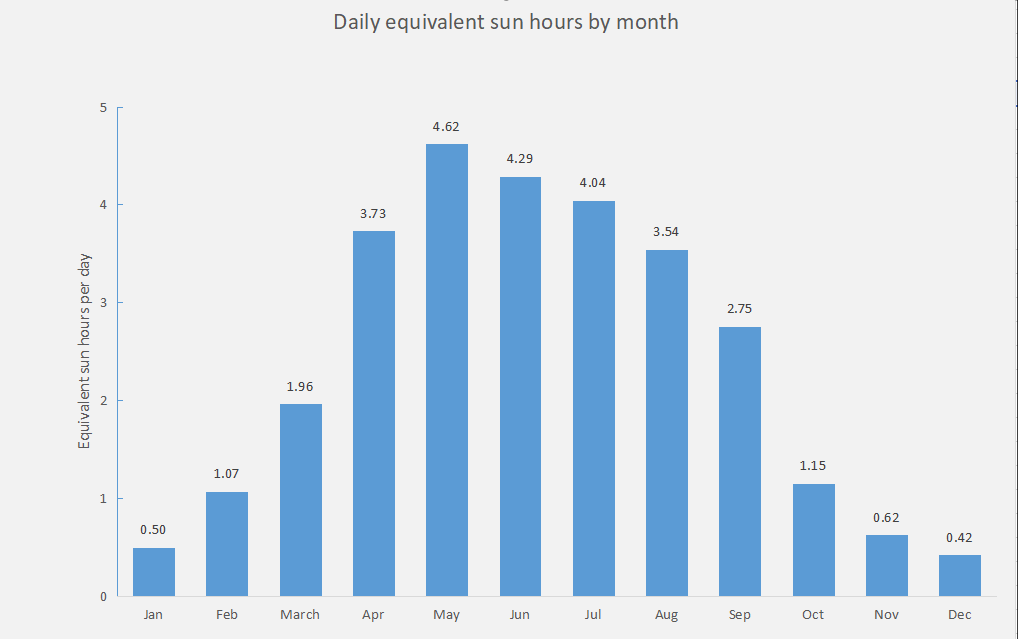
Equivalent sun hours by month
Applying the figures
The result of my analysis is above. So how do we use it? I have a 300W solar panel on my motorhome. If I’m looking at camping in July, the figure for equivalent sun hours is about 4. This means that on an average day I can generate 1200Wh (4 x 300), which conveniently works out as 100Ah (1200 ÷ 12). Bear in mind that not all days are average – in July the best days delivered four times as much power as the worst.
But look at the winter months – we’re not getting much more than 10% of the July figures, so on average in January I will generate 150Wh (12Ah), and possibly as little as 30Wh (2.5aH) or less.
Some examples
Cold Easter
I bought my solar system after an Easter camping trip that turned very cold. After three days of using the heating system off-grid the battery was getting very low. What would happen if I repeated the trip now? Truma says that the heating consumes 1.1A on average, which will be 27Ah over the whole day (1.1 x 24). Adding lights and other consumers (perhaps we watch some TV), let’s assume we’ll more than double that – say 60Ah. Without the solar that is about as much as you’d want to take out of a single leisure battery of around 100Ah. The graph suggests more than 3 equivalent sun hours, so we will generate more than 900Wh or 75Ah on an average April day. So, on average we should be OK in April! We have the battery as a buffer for poor days, and can always economise a little if the light isn’t good.
Compressor fridges
Compressor fridges are increasingly popular, and with good reason, but I know a number of people who have been surprised by flat batteries when camping off-grid. The average current consumption of a good compressor refrigerator is around one or two amps, so the calculation is very similar to the one for heating – it’s not surprising that batteries go flat after two or three days. In the summer my 300W panel would have no trouble in keeping the fridge alive, and at the very least it would significantly improve endurance even in the winter – especially since the fridge will have less work to do. Of course, if you have a compressor fridge and diesel heating (which typically uses more electrical power than gas heating) you might still have some problems on dark winter days.
What about the battery?
A lot of articles on this topic say the first thing you should do is to add more battery capacity. I don’t agree. While this might solve the problem for some people, even if you double your battery capacity, it’s still a limited resource. You might last twice as long off grid, and that might be good enough for some people. But I’d far prefer to be able to replace what I’ve used every day, and therefore have infinite capacity. More battery is good, but for me the ability to recharge the battery I’ve got is better, so I’d spend the money on solar first – and did.
So what’s the answer?
If you always go somewhere you can hook up to mains power, don’t waste your money. You can survive the odd night or so without power. On the other hand, if you have a compressor fridge or a diesel heater and like to spend some time off grid, even if it’s only a couple of nights, then your battery really needs some help.
I know I’m not being very helpful with this, but the best answer I’ve heard is that you should fit as much solar power as you have space for, or can afford. You will have flexibility to cover unforeseen circumstances, the freedom to stay in lovely off-grid locations and you can harvest useful amounts of power in the winter. Then, once your roof is full of panels it might be worth considering increasing your battery capacity too.
I recently wrote about the possibilities and limitations of electric vehicles as campervans – http://www.cliffdive.co.uk/plug-and-play/. My conclusion was that while there are some exciting possibilities for the future, the base vehicles are not yet suited for the long journeys that we typically make with our leisure vehicles. Electric vans are optimised for “last mile” deliveries for which they only require a range of 100 miles or less.
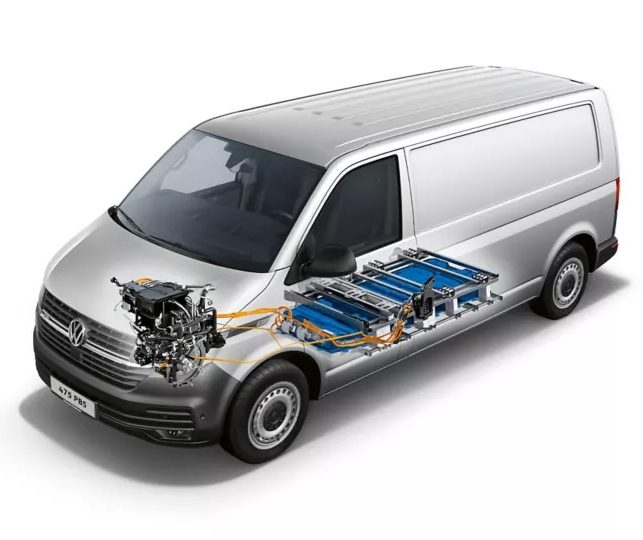
But there is a unique offering in the van marketplace with the Ford Transit Custom plug-in hybrid (PHEV). This is (at the time of writing, and to the best of my knowledge) the only van offered with a plug-in hybrid drive train.
How does it work?
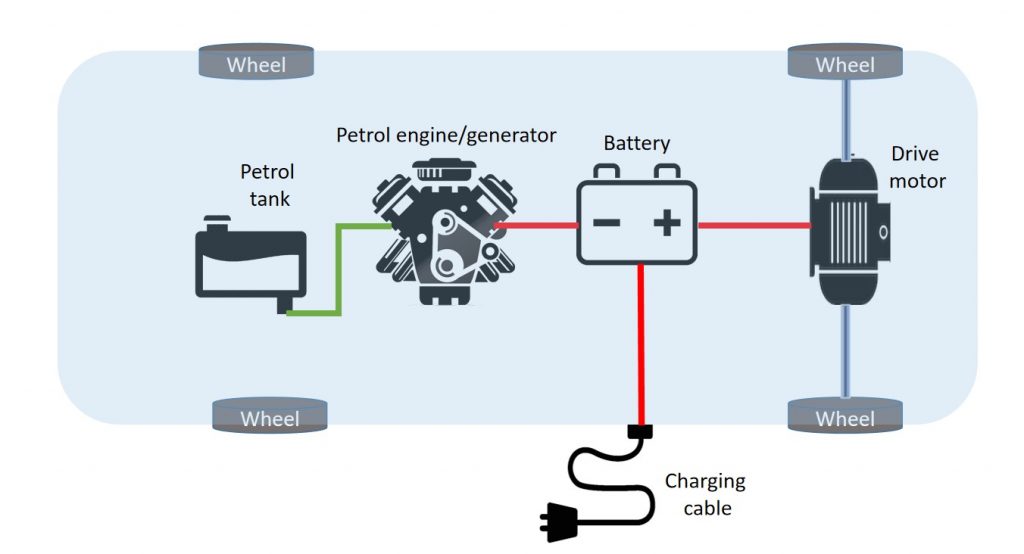
The range-extender architecture of the Ford Transit Custom plug-in hydrid
The van is always driven by its electric motor. Its battery can be charged from a normal domestic socket or a roadside charging point, just like a full EV, and it can do around 30 miles under battery power alone. Charging would take less than five hours via a standard domestic socket and much less at a charging point. But if you want to go further, there’s a petrol engine hidden in there too which can replenish the battery as you drive, giving you a total range of around 300 miles between fill-ups (which of course can be electricity or petrol). The driver can choose various modes of operation from full electric driving to battery charging mode (charging the battery while driving), or the system can work automatically, deciding the best mode at any time.
Would it work as a campervan?
The short answer is “yes”. Unlike the full-electric vans available right now, the range extender design offers an essentially infinite driving range without resort to a charging station. Your touring can take advantage of the full-electric capability for access to increasingly restricted city centres, and you can make quiet exits from campsites.
As discussed in my blog about full-EV vans, if Ford were to offer access to the traction battery, its 13kWh capacity would be more than enough to replace the conventional leisure battery, allowing a gas-free conversion, with electrical power used for cooking and the fridge. Unlike the full EV vans, you’d be fine for off-grid adventures too, because the range extender engine will recharge the battery without plugging into a mains outlet. All you need is petrol. And even better, you can stay cosy while camping using petrol (or gasoline if you’re American) for your space heating.
All in all this would make an excellent base for a conversion…
…if you don’t mind paying an additional £15,000 or so for all the technology.
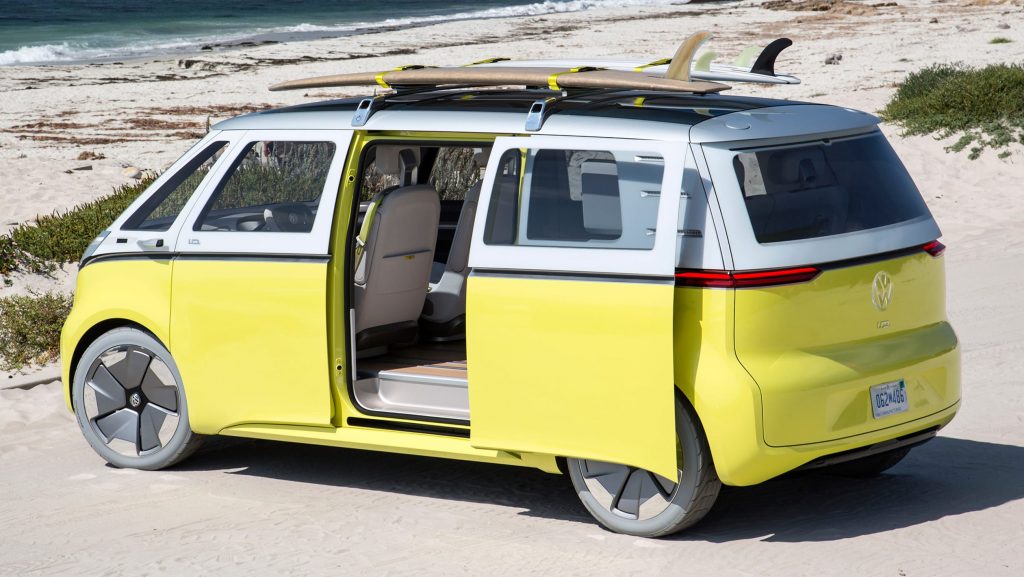
The I.D. Buzz Microbus – at the moment it’s a concept vehicle, but VW say it will enter production
For reasons best known to its secret algorithms, Facebook recently offered me an advert for the VW e-Transporter. It got me thinking. After all, the Transporter has been pretty ubiquitous as a campervan platform. Just how would an electric vehicle stack up as a camper van?
I’ve been enjoying campervans and motorhomes for 35 years. Of course, all of these have been powered by internal combustion engines – two of them had petrol engines, and two were diesels. But in a few years we won’t have internal combustion engines. There is already a growing movement towards electric vehicles. Would I still be able to enjoy van life with an electric vehicle? To answer this question I will create a hypothetical vehicle based on currently feasible technology.
My electric dream van
Since this thought process was inspired by the Volkswagen Transporter, let’s consider a van based on a Transporter sized vehicle – this is after all the classic campervan. One of the surprising features of modern electric vehicles is that performance can be very brisk, so we don’t need to worry about the power of the motor – 100bhp+ is easy, and I’d be happy with that. The battery is the key component – for the purposes of this flight of fancy, we will assume a battery of 100kWh. This is entirely feasible (if rather expensive) today. It would give a range of more than 200 miles. These figures are broadly in line with the I.D. Buzz concept vehicle pictured at the top of this page.
The conversion
There’s really no need to change the classic VW campervan layout – rock and roll bed in the rear, and kitchen along the side opposite the sliding door. But we can take advantage of the energy source to make some changes in services. Current campervans with internal combustion engines carry a leisure battery (typically lead-acid but increasingly lithium) to power the electrical system, including internal lights, water pump, TV, phone chargers and often the fridge. This leisure battery is typically around 100Ah (ampere hours) which translates to 1.2kWh. This is negligible compared to the 100kWh traction battery of our dream machine, so let’s be adventurous, throw away the leisure battery, and tap into the big traction battery for our internal systems. The effect on range will be tiny, and we’ve saved a bit of space and eliminated one of the worries of off-grid camping – a flat leisure battery.
Most campervans use gas for cooking and sometimes for the fridge, but with the amount of energy now available we can build a gas-free van, which helps to simplify the design, save space and increase safety and convenience. An induction hob would make a very small impact on the battery, and we could have an inverter to power 240V sockets for the coffee machine, hair dryer or electric bikes. The only real challenge to our all-electric life is space heating in the winter, but if we start with a full battery we’re fine for a few days of off-grid electrical heating. At the moment, with a gas heater in a camper van you’d have a similar limitation – our 100kWh of battery energy is equivalent to 7kg of gas, which is a typical amount for a campervan to carry.
If we’re using electricity for space heating while on site, it would make sense (technically, even if not in terms of initial cost) to fit an air-conditioning unit that could not only deliver more efficient heating by running as a heat pump, but also keep you cool in warmer climes. Our huge battery capacity makes that off-grid campervan air-con a possibility, where today it’s possible only for giant luxury motorhomes with noisy generators.
Charging
This is the elephant in the room for all electric vehicles. We can obviously tap into the growing EV charging network. Rapid chargers can deliver 50kW or more, so we could charge from empty in a couple of hours. Rapid chargers will be increasingly available as electric vehicles gain popularity.
At the other extreme we can plug into a normal electrical outlet when we’re at home or on a campsite. A domestic 3kW outlet would take more than 33 hours to charge from empty. That’s fine – you will leave the campsite with a full battery after a couple of nights camping.
At the moment solar power is popular for keeping a campervan leisure battery topped up. For a campervan a 300W solar charger is feasible, producing maybe 1kWh per day (it depends very much on the weather and time of year). This would be sufficient to replenish energy used for camping, but it would take 3 months to charge the battery from flat, so solar is probably no longer useful unless you’re intending long term autonomy in one location.
Touring
How would all this work in real life? Sometimes touring involves driving very short distances, and seeing the sights but there are travelling days which will be more demanding. When we’re on holiday we typically travel for 2 or 3 hours before lunch. This will be 100 miles or so. If our lunch stop (or shopping or sight-seeing stop) can be at a rapid charger, the battery would be replenished in an hour or so. It’s actually more comfortable doing this with a campervan than a car, because you have all of your facilities with you. Coffee, toilet, food – they’re all on board. After lunch we will do another 2 or 3 hours – we’ll have plenty of range for this, and plenty of energy remaining for camping needs if we’re off-grid.
With our 100kWh battery, it wouldn’t have been a problem if we hadn’t met a charger until afternoon tea, or we could exploit our full range without en-route charging if we’re heading for a few days on camp site with a mains connection for slow charging.
Pick a platform
Could we do it today? Here are a couple of electric vans you could buy right now. There are others with similar specifications, but for different reasons, these are probably the two most interesting examples. Let’s see how they match up to my dream.
Volkswagen e-Transporter
There’s no doubt that the physical package for the VW Transporter works well as a campervan. Performance is fine – 99mph and 0-62mph in 17.4 seconds. But with a 33.7 kWh battery the range is just 82 miles. There has been talk of double battery version, with 77.6 kWh. This would of course roughly double the range.
Nissan e-NV200
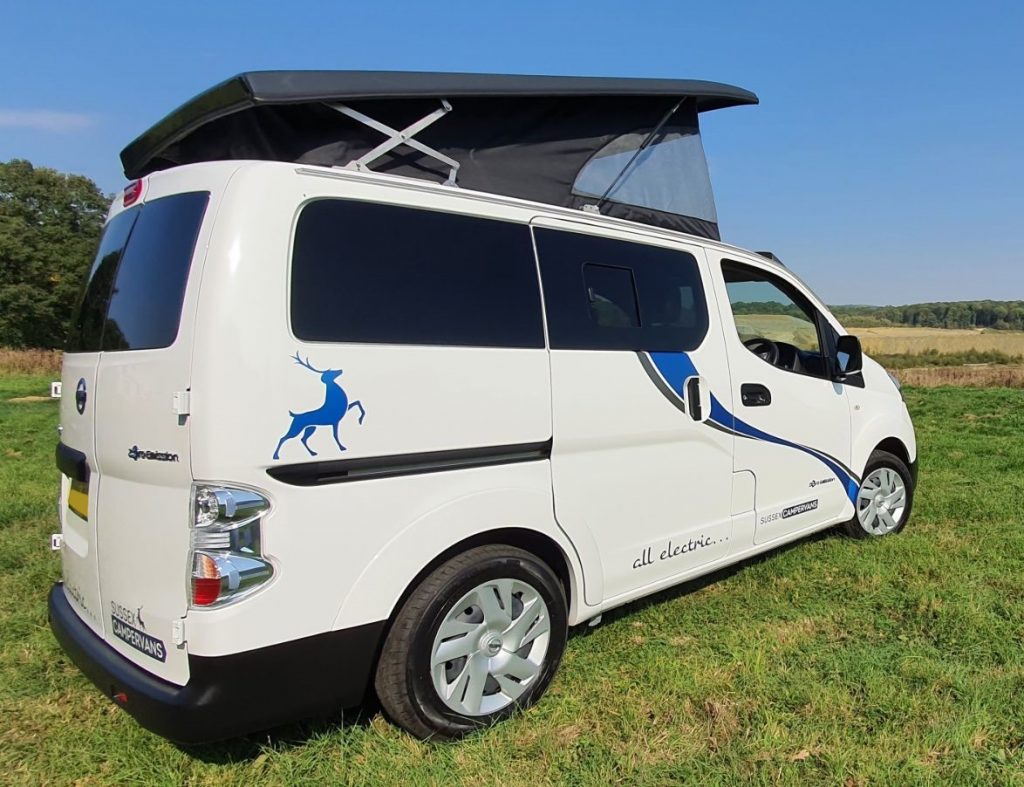
The e-NV200 has been around for a while now. At first it had a 24kWh battery and a range of less than 60 miles. It’s now upgraded to 40kWh, giving a realistic range of around 100 miles. You can actually buy an all-electric e-NV200 campervan today from Sussex Campervans, albeit they haven’t been able to tap into the energy of the traction battery.
Both of these vans, as with all those currently available, are designed for “last mile” deliveries. According to the VW website the 82 mile range of the e-Transporter is “perfectly suited to many different business types”. That is true, but realistically, while these vans would work for relaxed touring and sightseeing, they’re still not really practicable for getting to your holiday location in the first place.
But the I.D. Buzz???? That could do it! With manufacturer cooperation and innovative thinking we could have an exciting and comfortable all-electric van-life experience, and won’t have to be tied to a charging point every night. I’d want one.
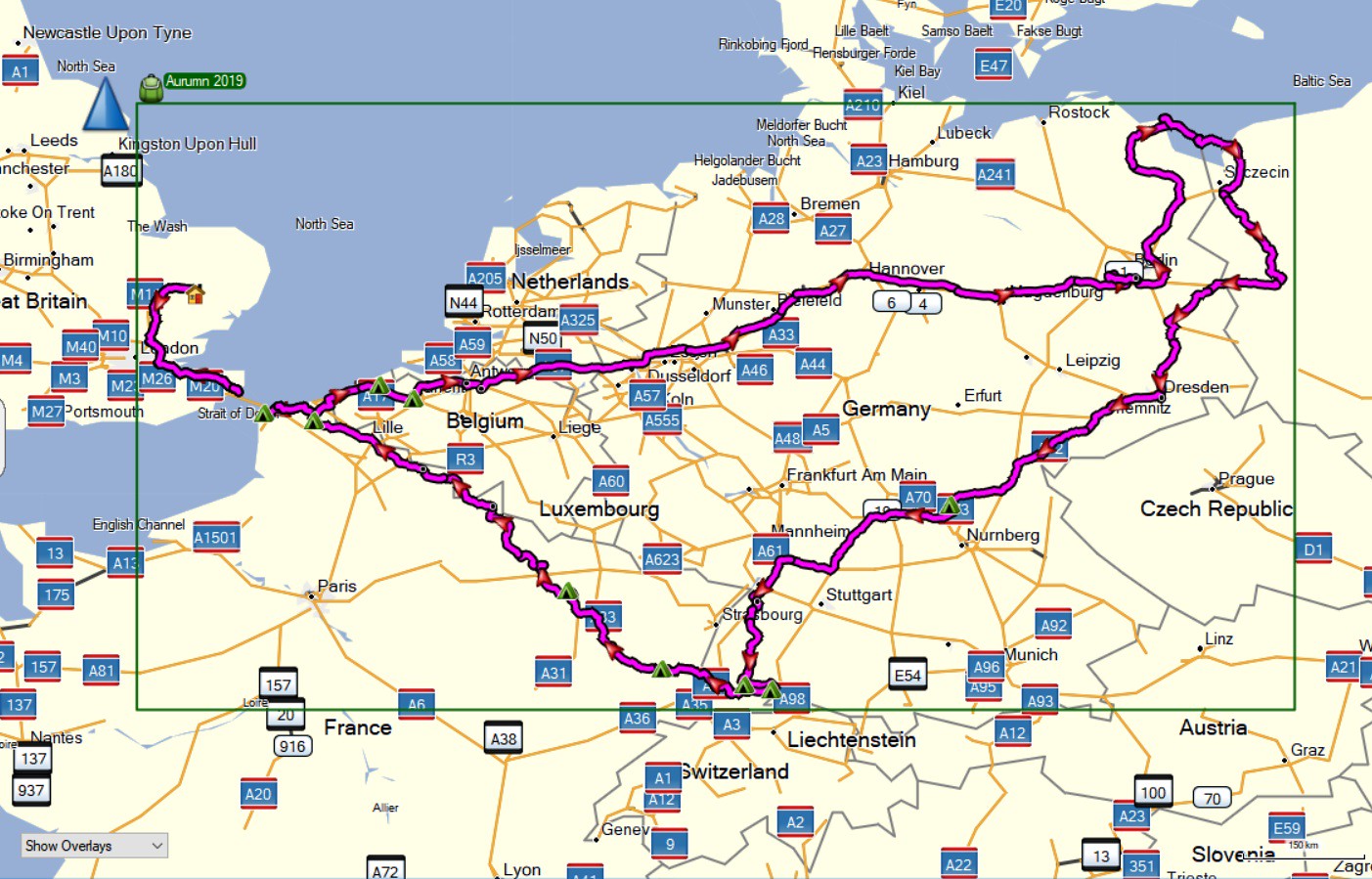
There wasn’t a real plan for our autumn trip in 2019. We could have gone south for sunshine and warmth. But we decided to head north. It was late September – what could possibly go wrong?
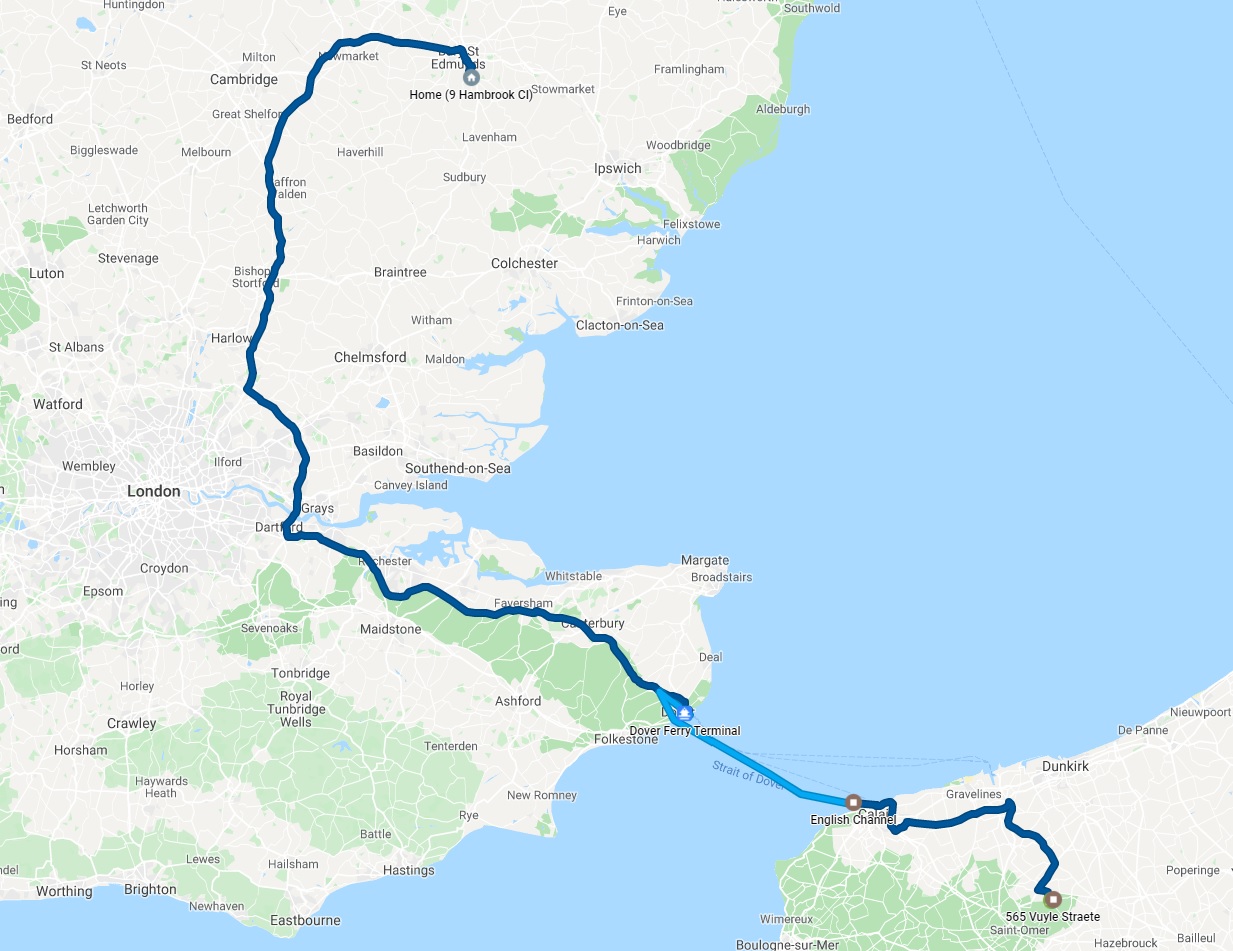
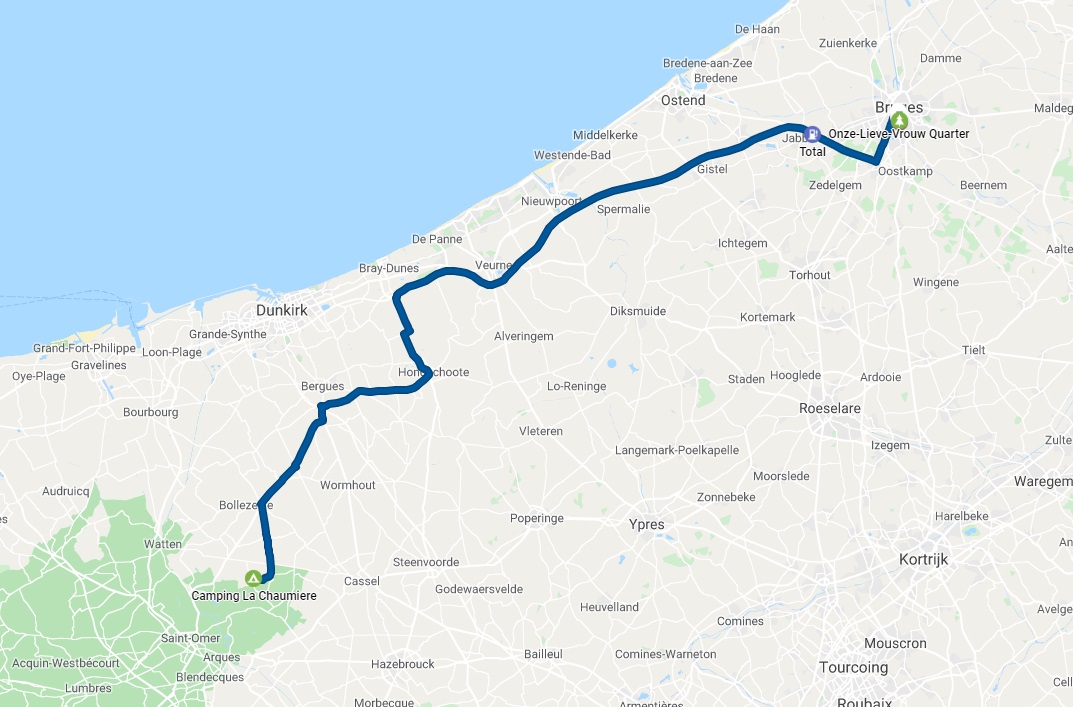
Camping La Chaumière
Click to enlarge
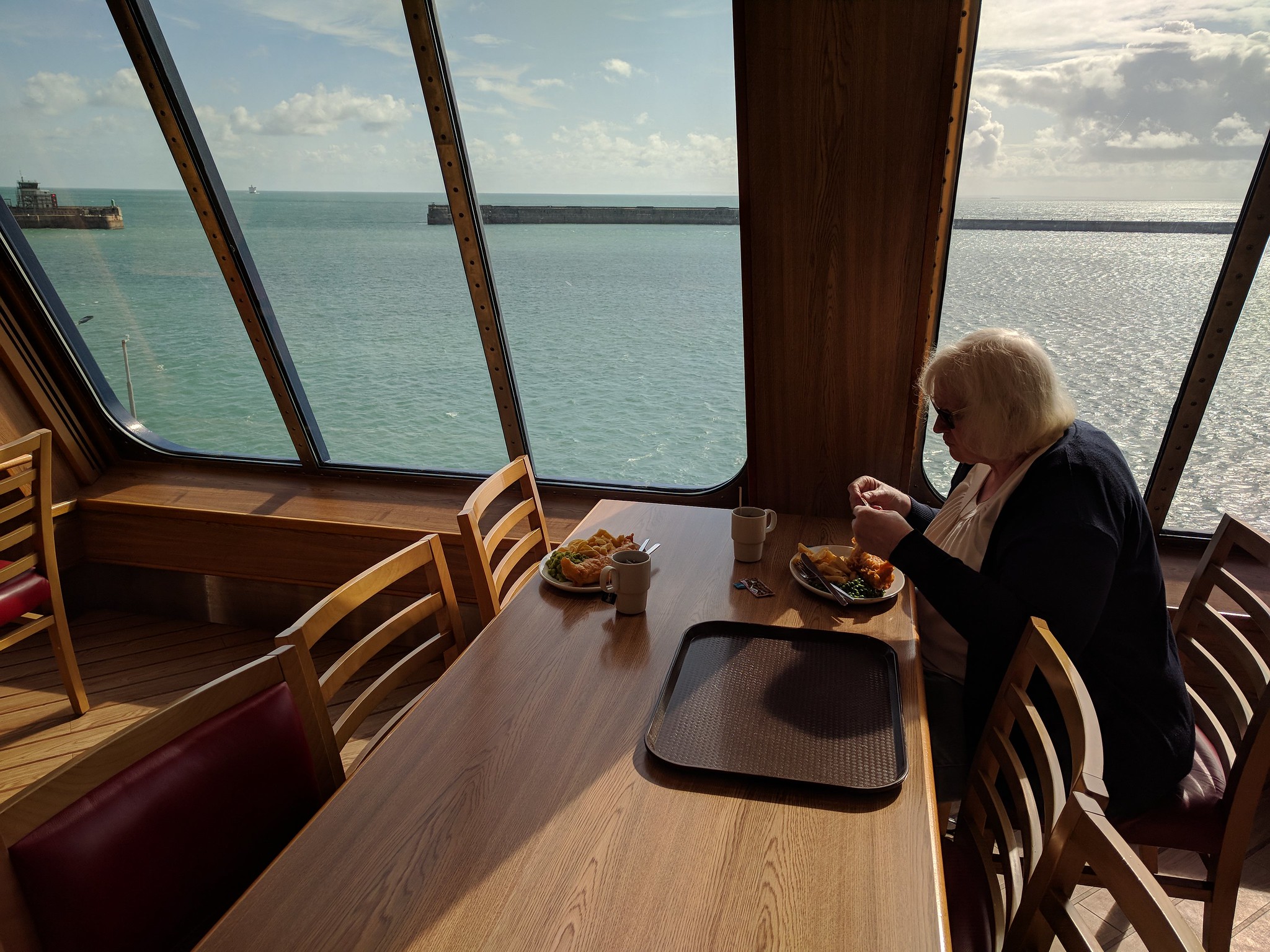
A trip using the P&O Dover Calais ferry, remarkable only because it was largely trouble free – we were able to catch the ferry earlier than the one booked, but it left late, so we were travelling pretty well as scheduled.
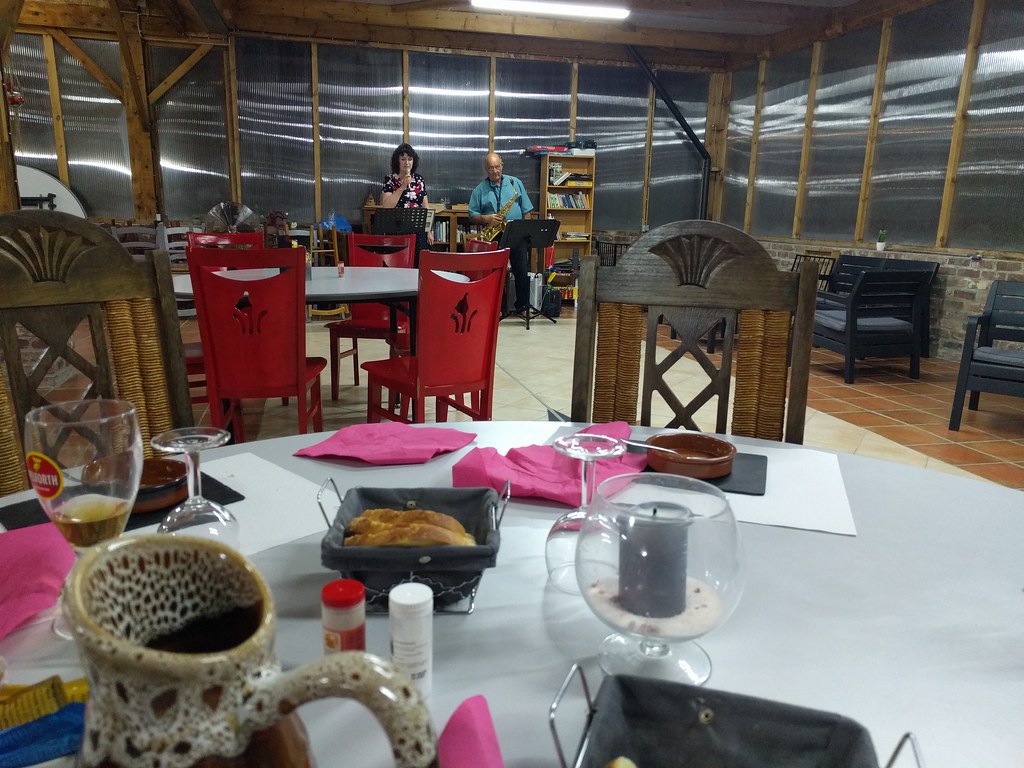
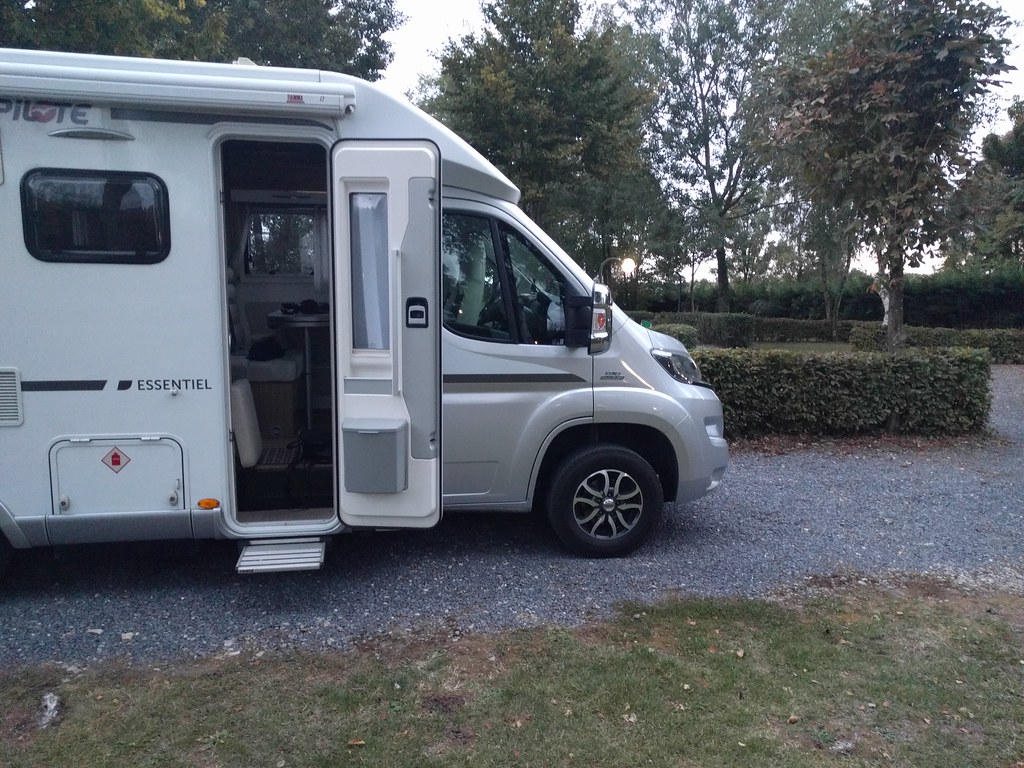
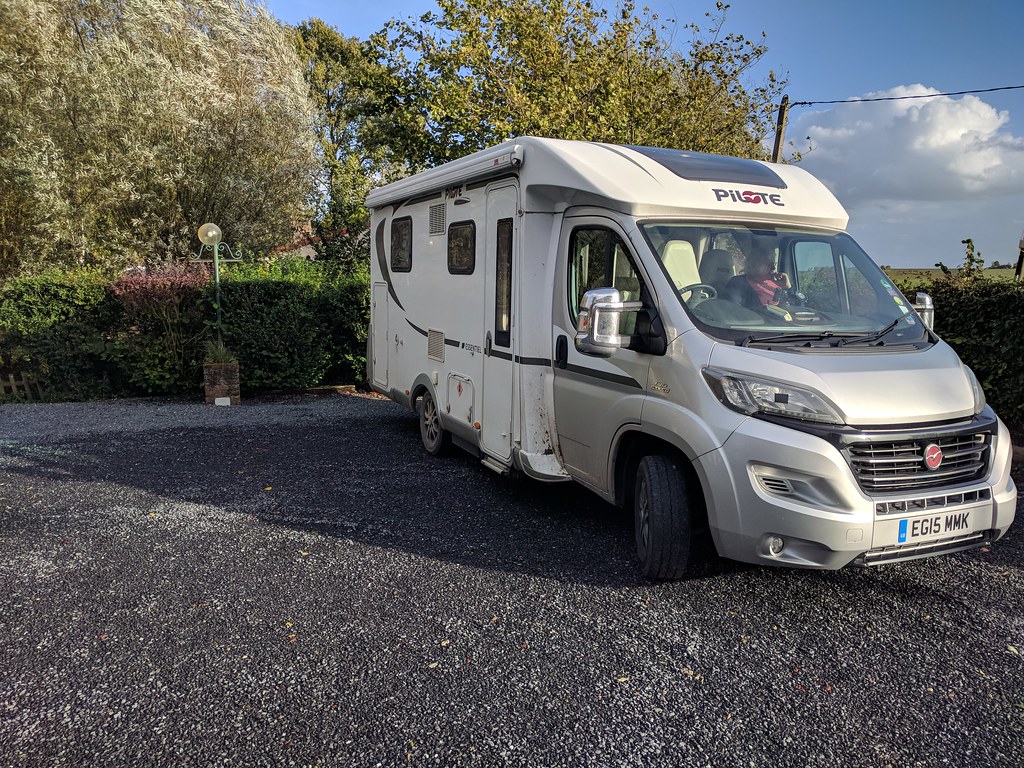
Camping La Chaumière is a pleasant stop-off close to the channel ports. Not surprisingly, a lot of the campers are British. We ate dinner with people who live just a few miles from us and share common friends. They also also provided the musical entertainment for the evening. A nice way to start the holiday.
On the ferry
The restaurant at La Chaumière
Very civilised camping
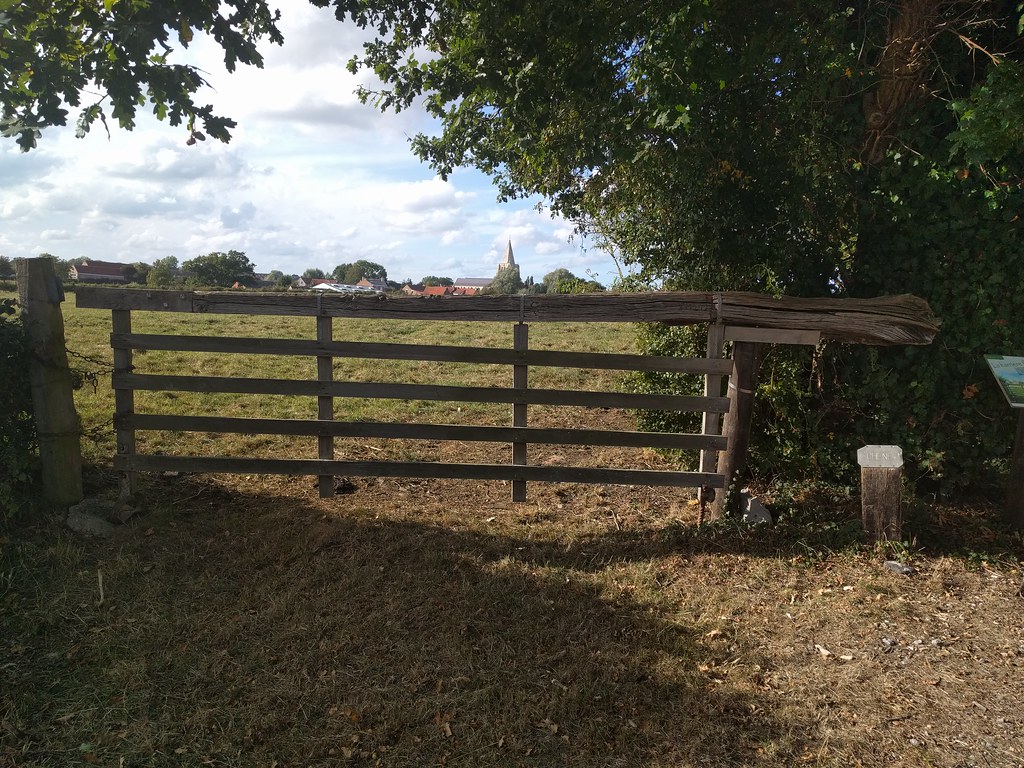
It’s flat, but pleasantly rural
Bruges
Click to enlarge
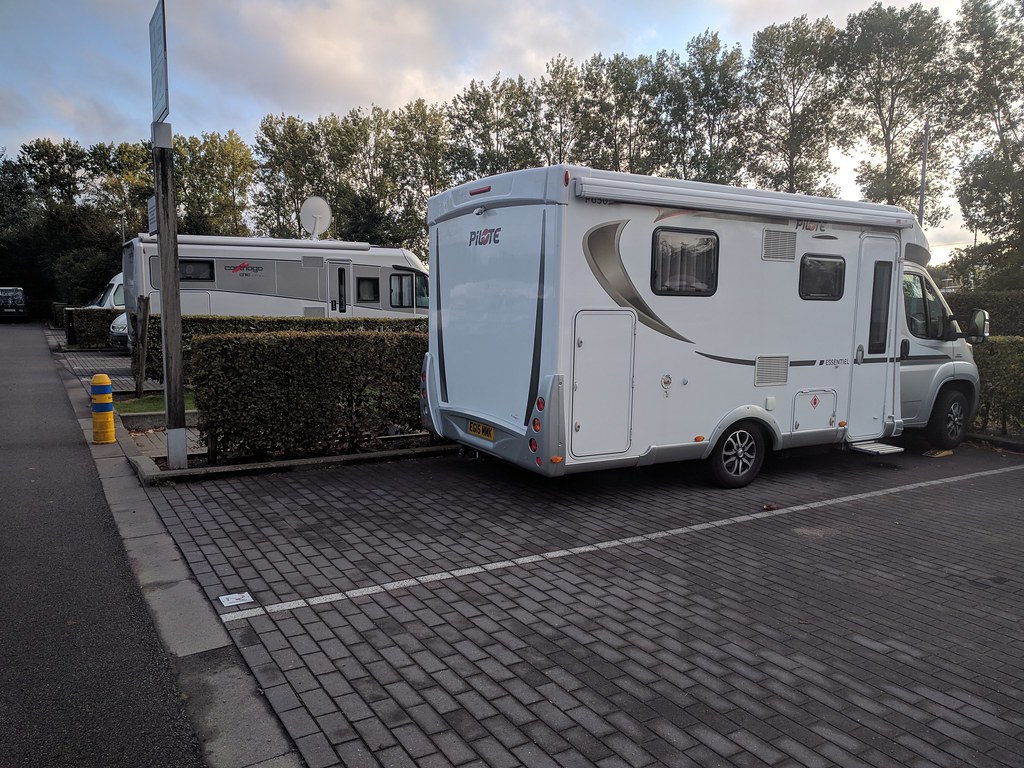
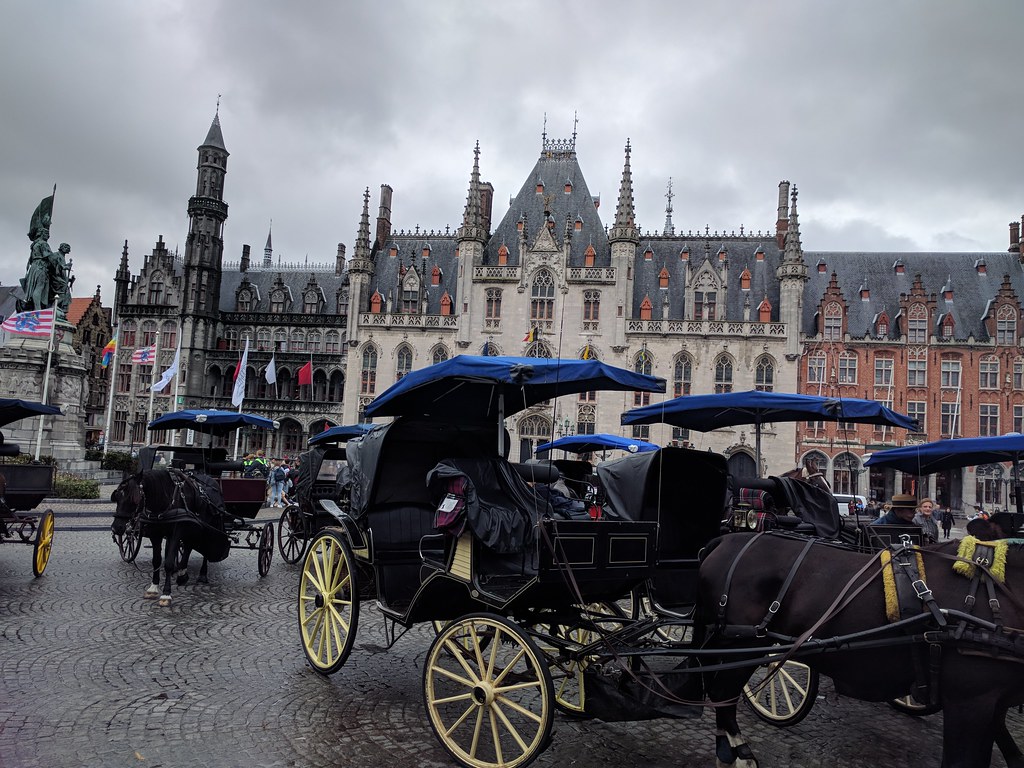
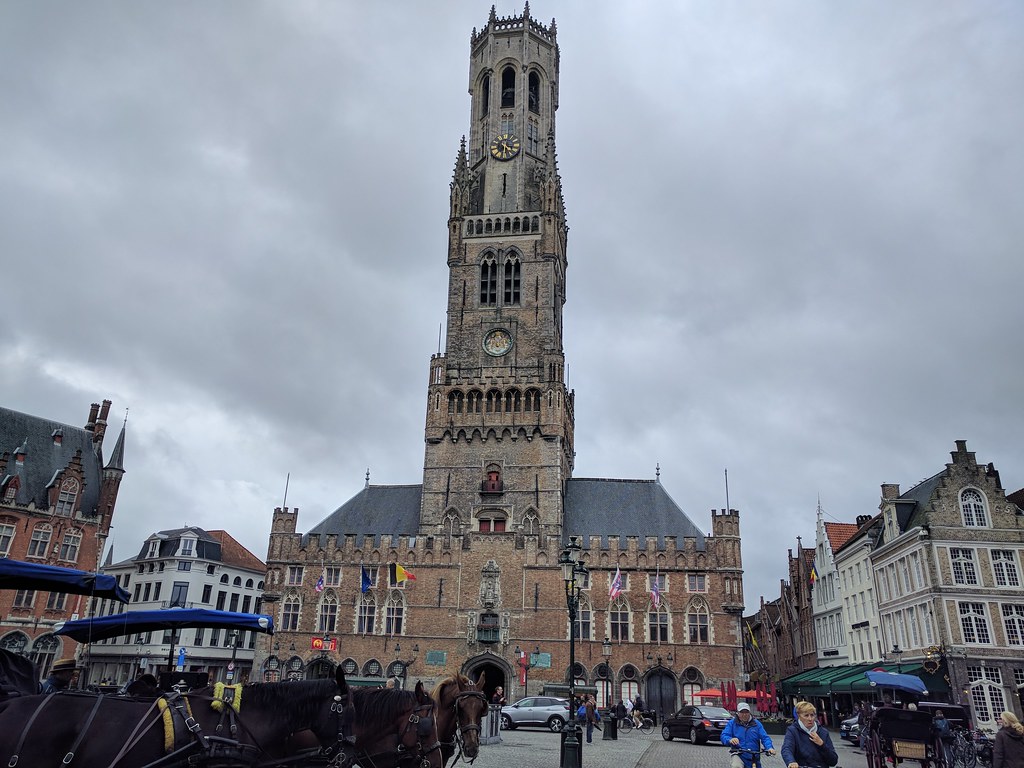
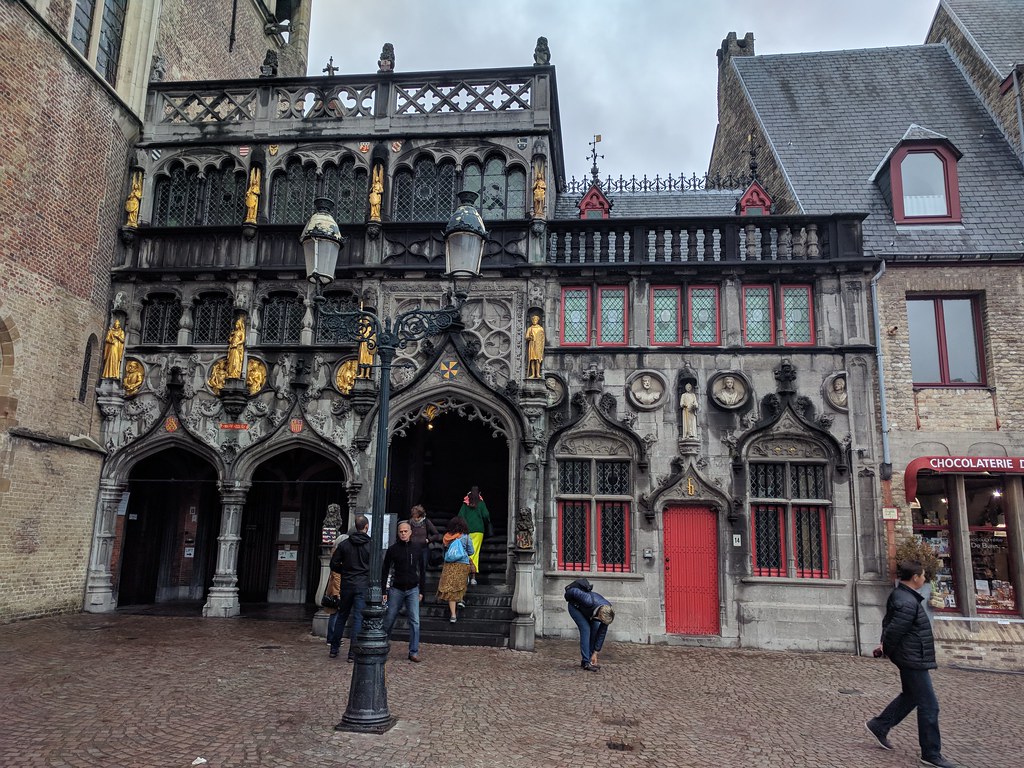
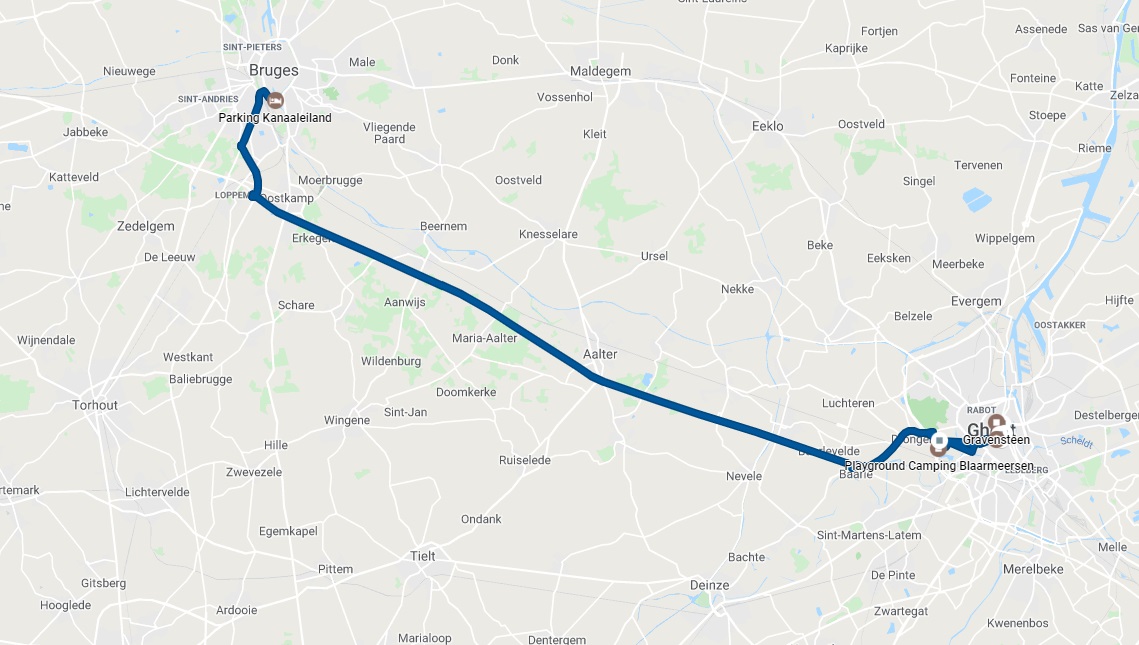
Last time we visited Bruges the aire was so crowded that we could scarcely squeeze between our van and the one next to us. It’s come on a bit since then, with a well-kept space, still pretty tight, but wonderfully located to walk through the park to the town. If the aire is full, or you’re claustrophobic, it’s possible to overflow into the bus parking area, but you then lose the electricity hookup. Bruges is very touristy but with good reason.
Ghent
Click to enlarge
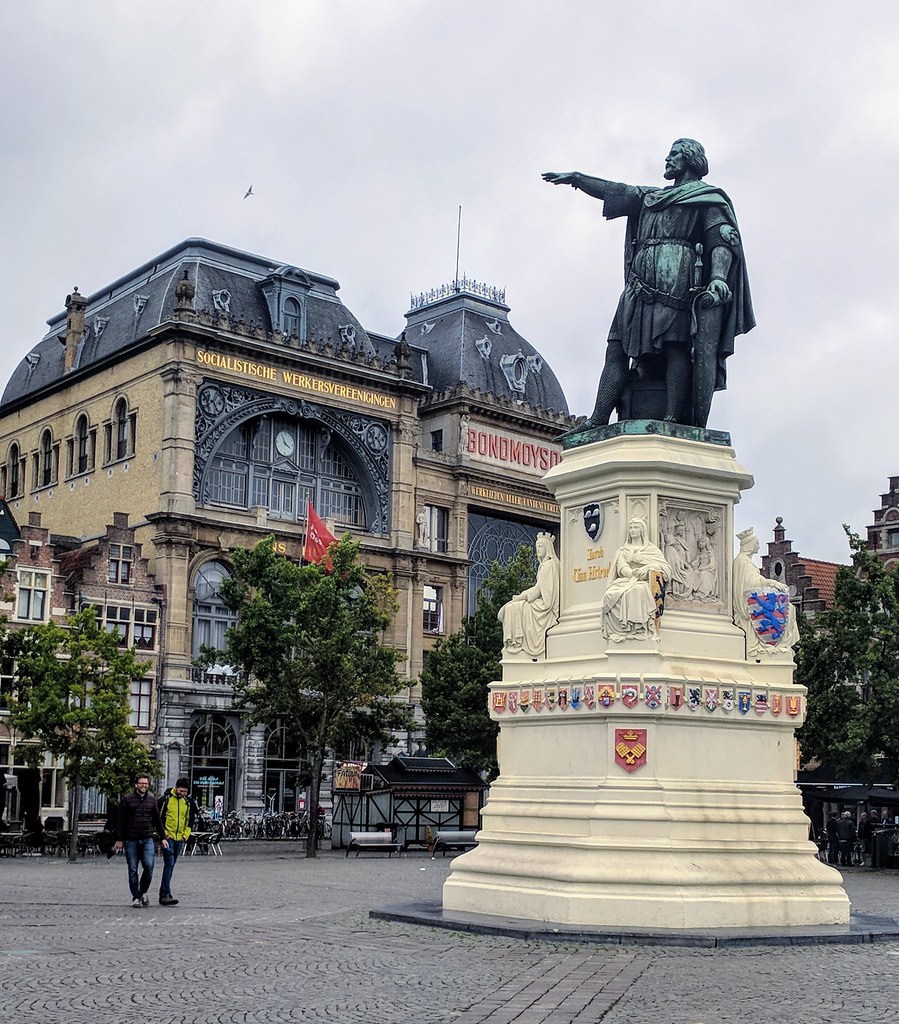
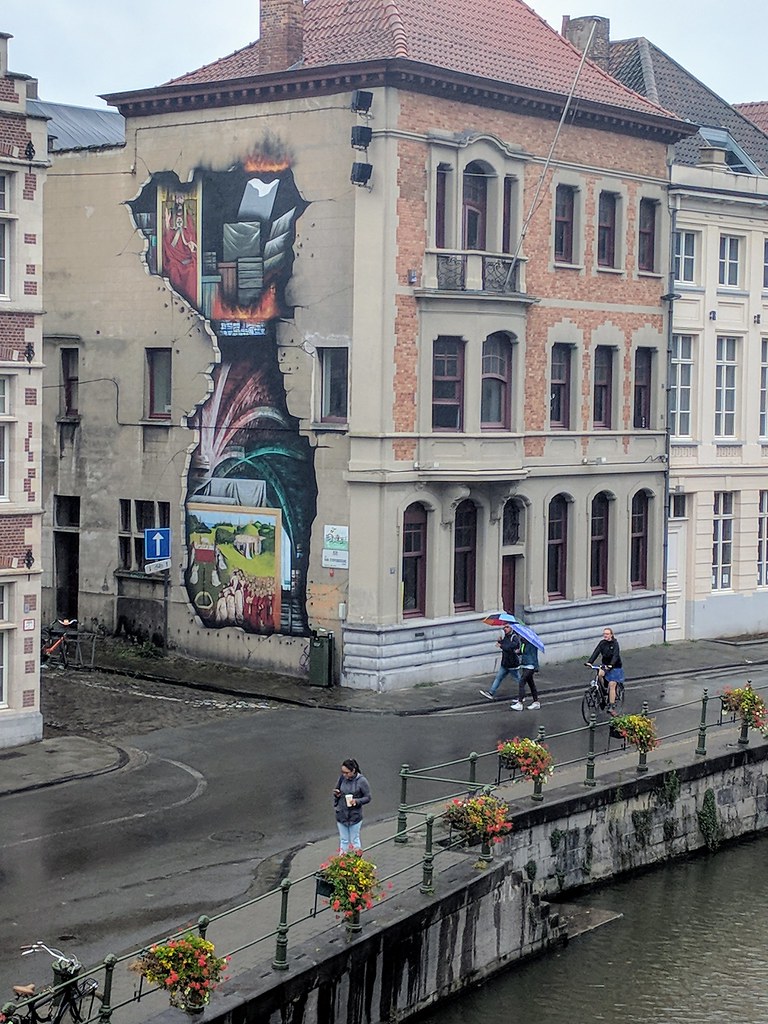
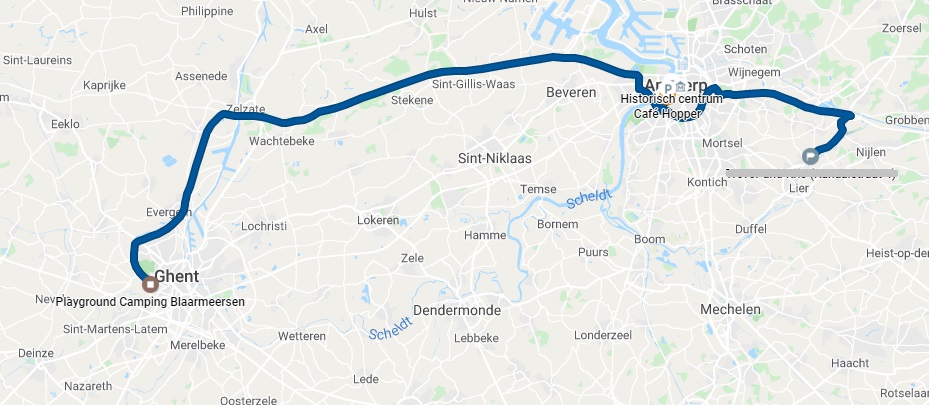
We’d never visited Ghent before. In many ways it has a similar feel to Bruges, but it was just a little less touristy. Camping Blaarmeersen is a friendly, well-appointed campsite situated in a leisure park just outside the city. It’s within cycling distance, but there is a free bus which leaves from just outside the site (and brought us back to the gate, because all the passengers were going that way).
Antwerp
Click to enlarge
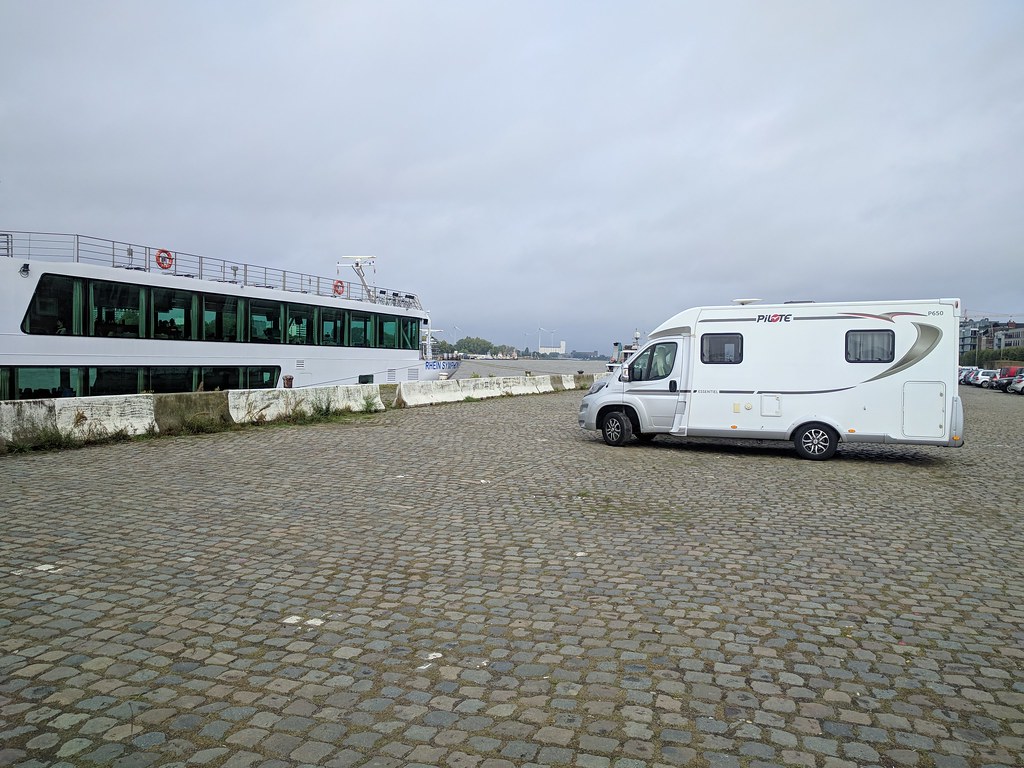
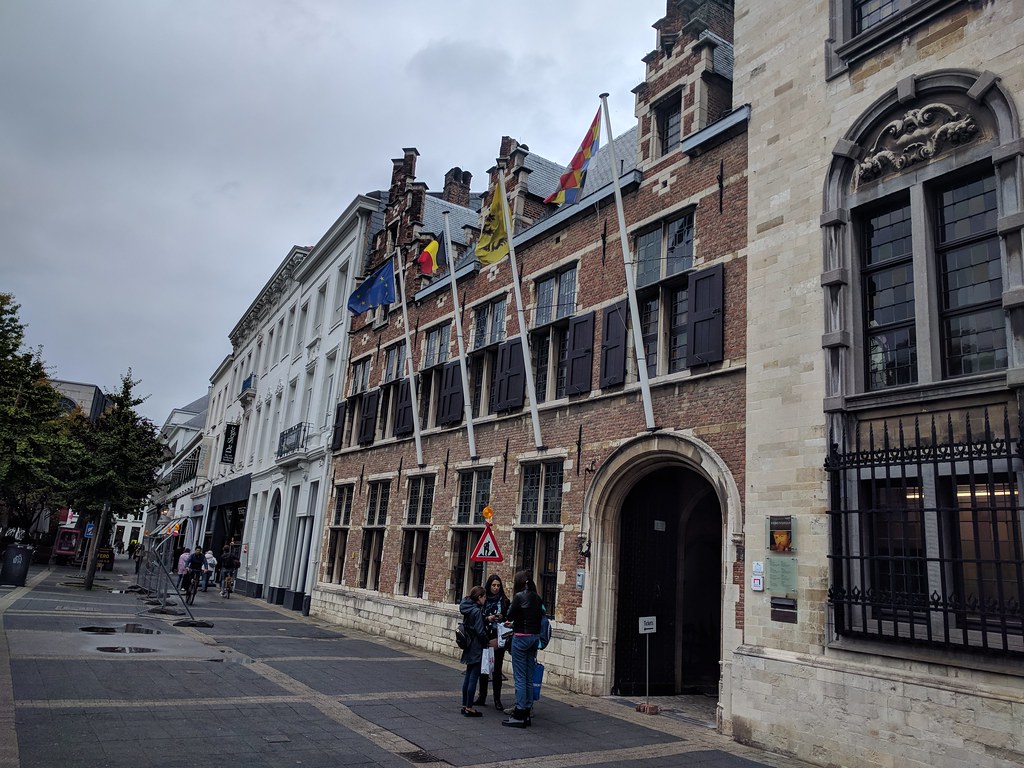
We had arranged to meet friends in Antwerp. We parked for free in a large car-park alongside the river, where the river cruisers moor. I found the car-park location on the Park4Night app which suggested we could have stayed there overnight. It looked as though that was legal, but we actually stayed overnight at our friends’ house.
There was one little complication that I discovered when I was exploring the options for the trip – Antwerp has its own low emissions zone. It’s free to apply and get approved, but how are tourists supposed to know these things?
Free parking by the river
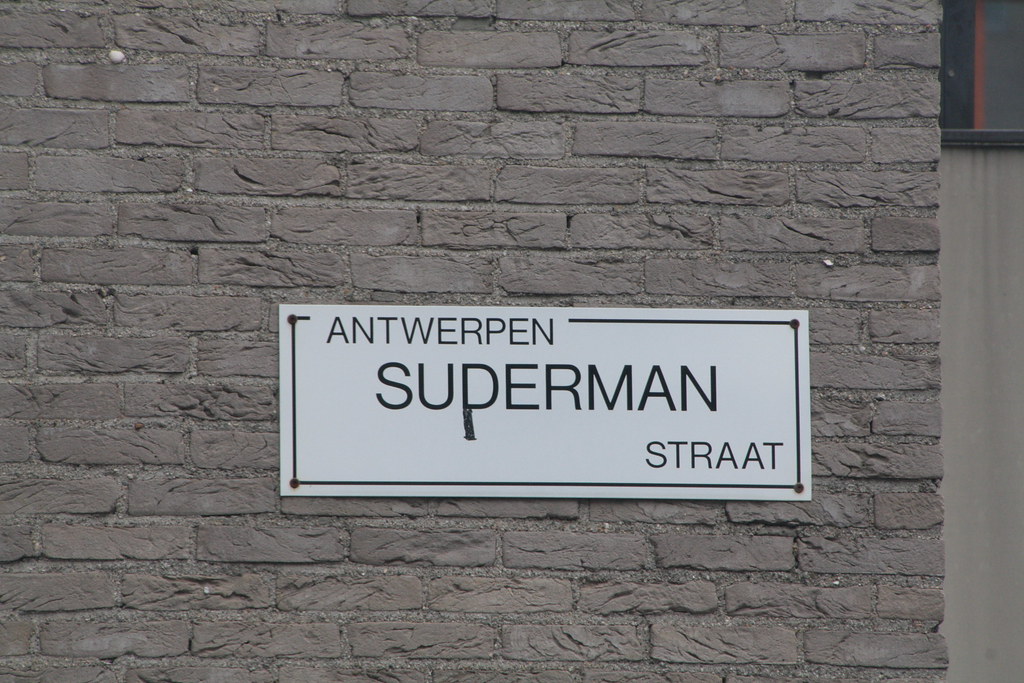
Belgian humour
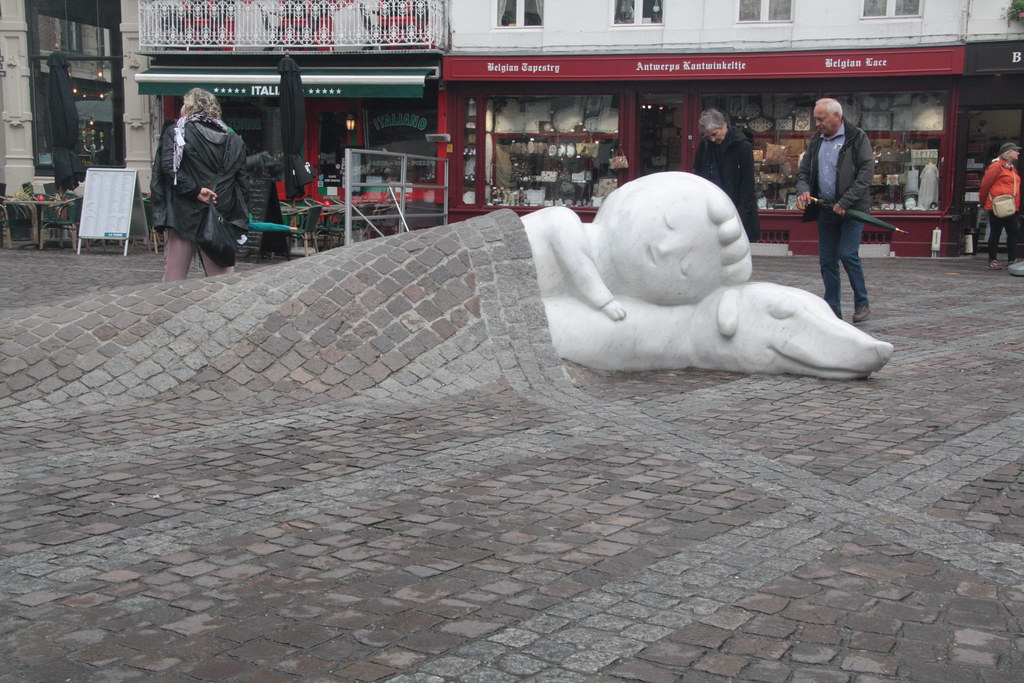
Sleeping on the street
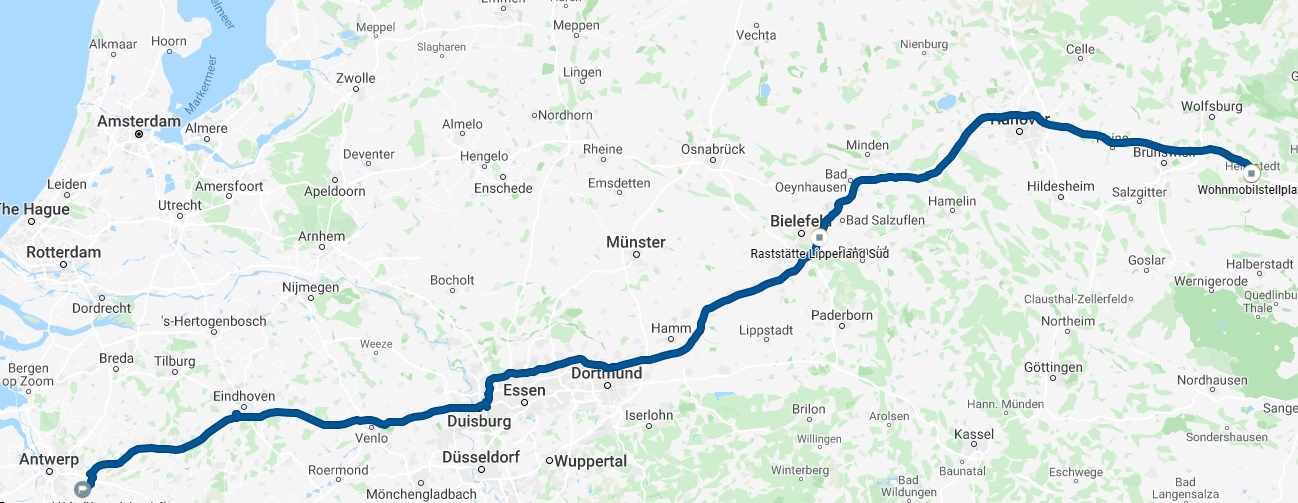
Helmstedt
Click to enlarge
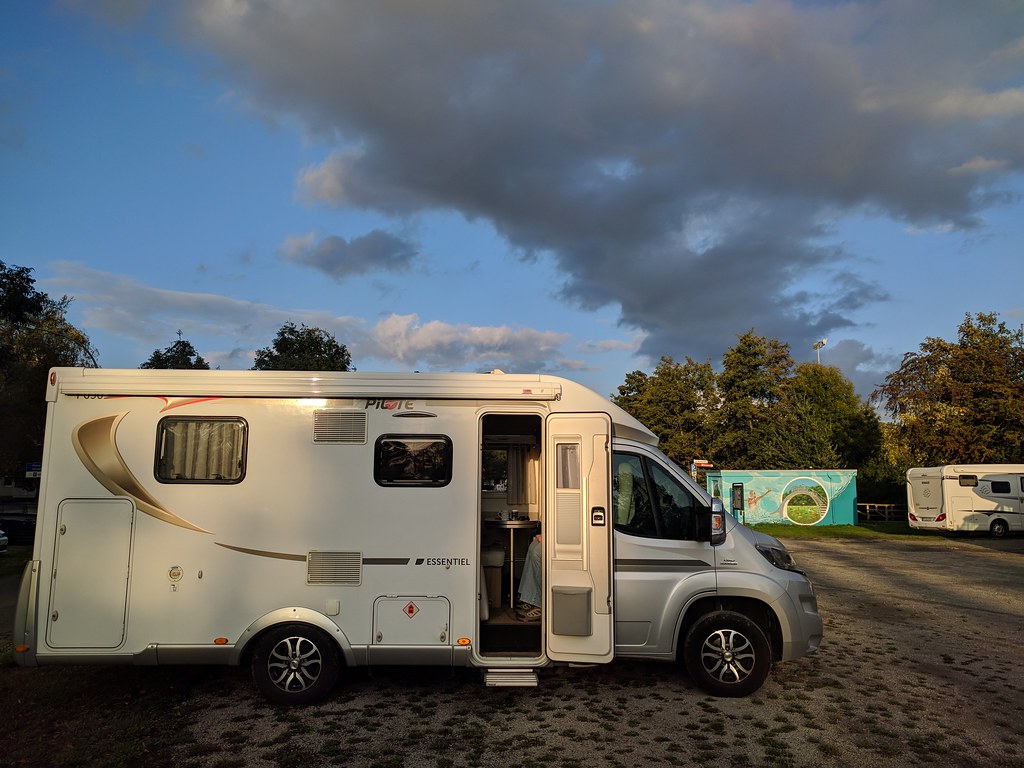
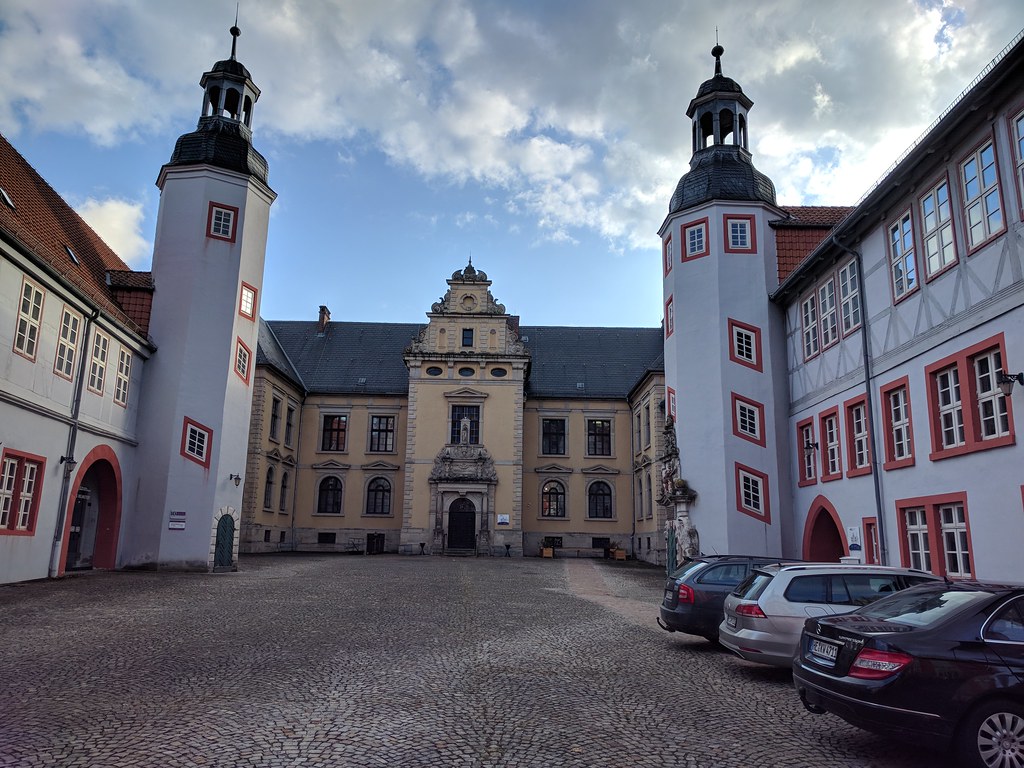
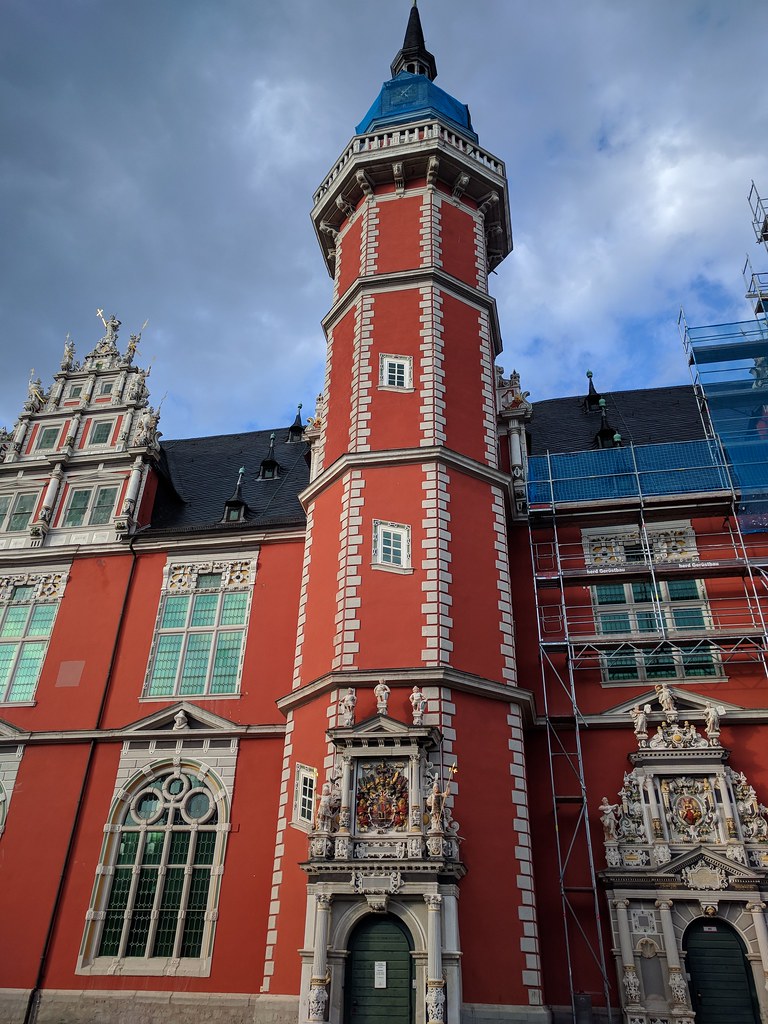
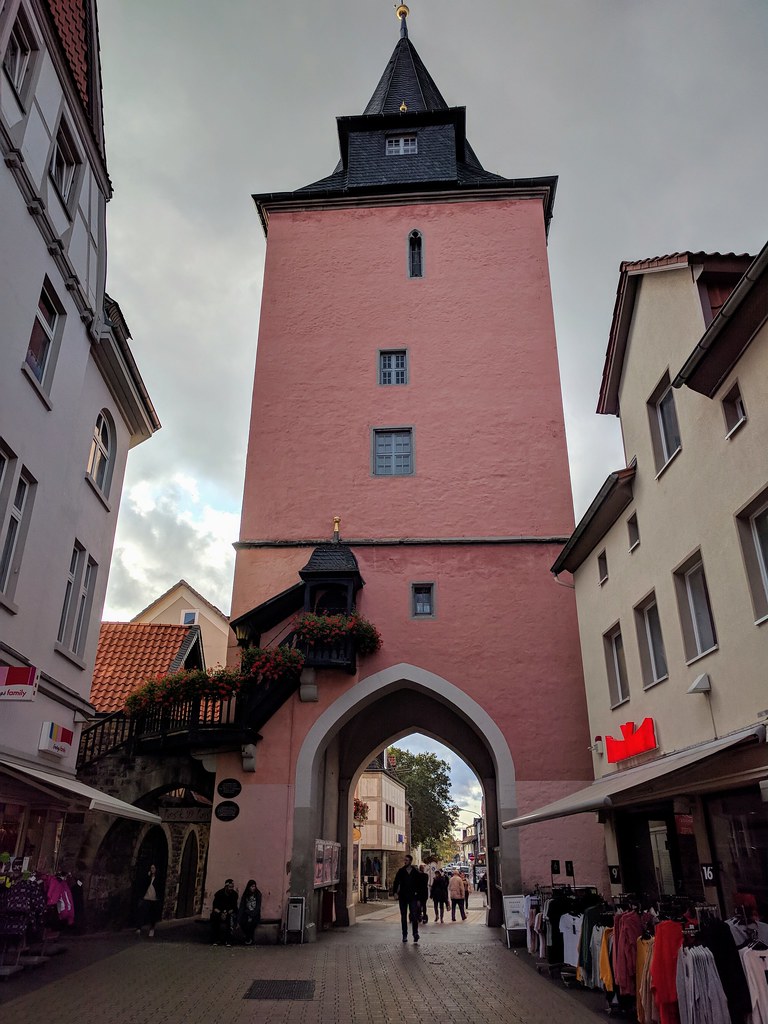
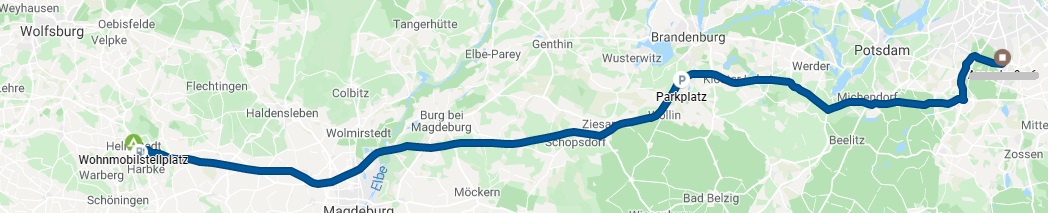
We were now en-route for another meeting with friends in Berlin. This was one of those days when we set off in the right direction and decided on our overnight stop as the day progressed. This was another destination from Park4Night, and it was an excellent location for a free overnight stop, close to the town (with a walk through a park), plenty of horizontal parking space and even free WiFi. I knew nothing about Helmstedt, but it turns out that in the days of the Cold War it was the gateway to the road corridor to Berlin. It’s a pleasant town.
Berlin
Click to enlarge
The drive from Helmstedt to Berlin was along the A2, which used to be the corridor to west Berlin. The Helmstedt-Marienborn checkpoint was Checkpoint Alpha in Cold-War times. The autobahn is still very much a corridor through the forest. We were driving to our destination in our friends’ garden. It was to be our longest stay of the holiday – with the added benefit of WiFi and shower facilities.
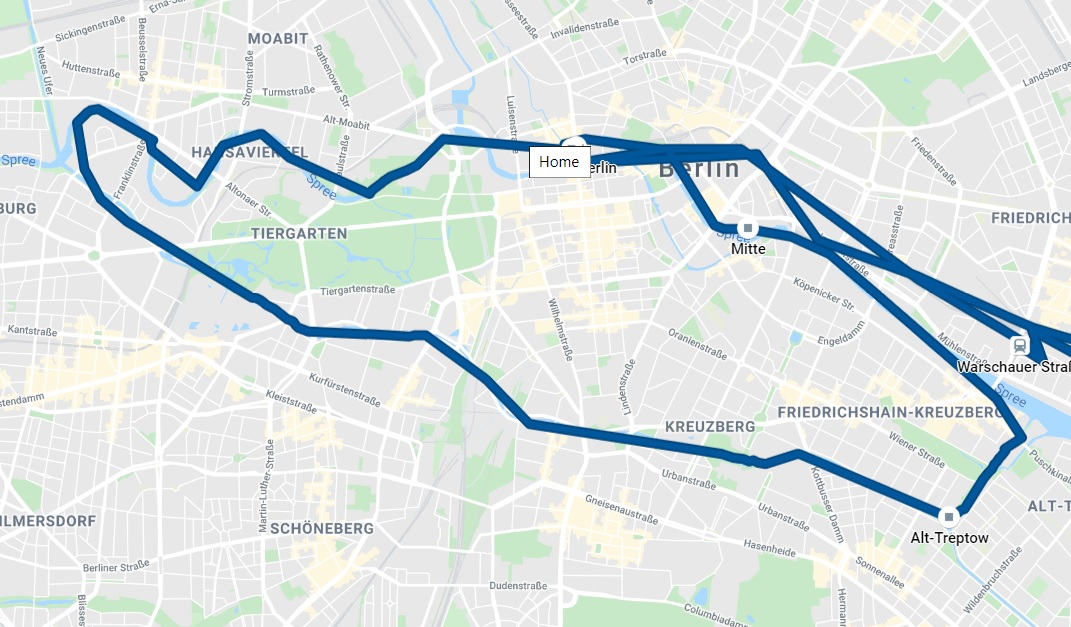
Cold-War history was becoming a theme. I suppose it’s to be expected in these parts. Our friends’ house is situated right on the line of the wall. There was a gate on their street which was used to allow West Berlin’s rubbish into the East! The 155km Berliner Mauerweg (Berlin Wall Trail) now passes right outside. I couldn’t help wondering about parallels in today’s political situation. While staying here we drove to Potsdam, and took a city boat cruise in Berlin.
Potsdam
Click to enlarge
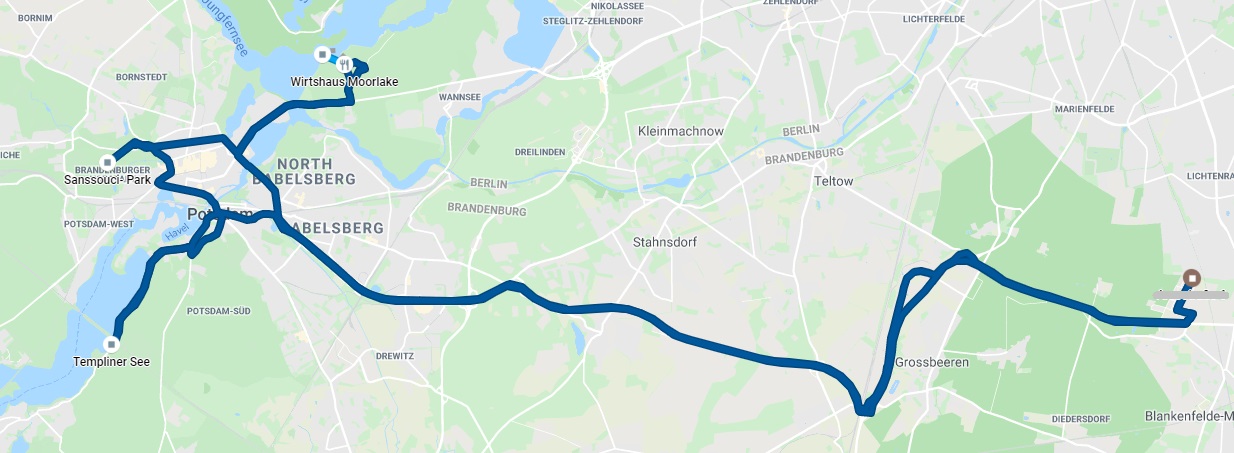
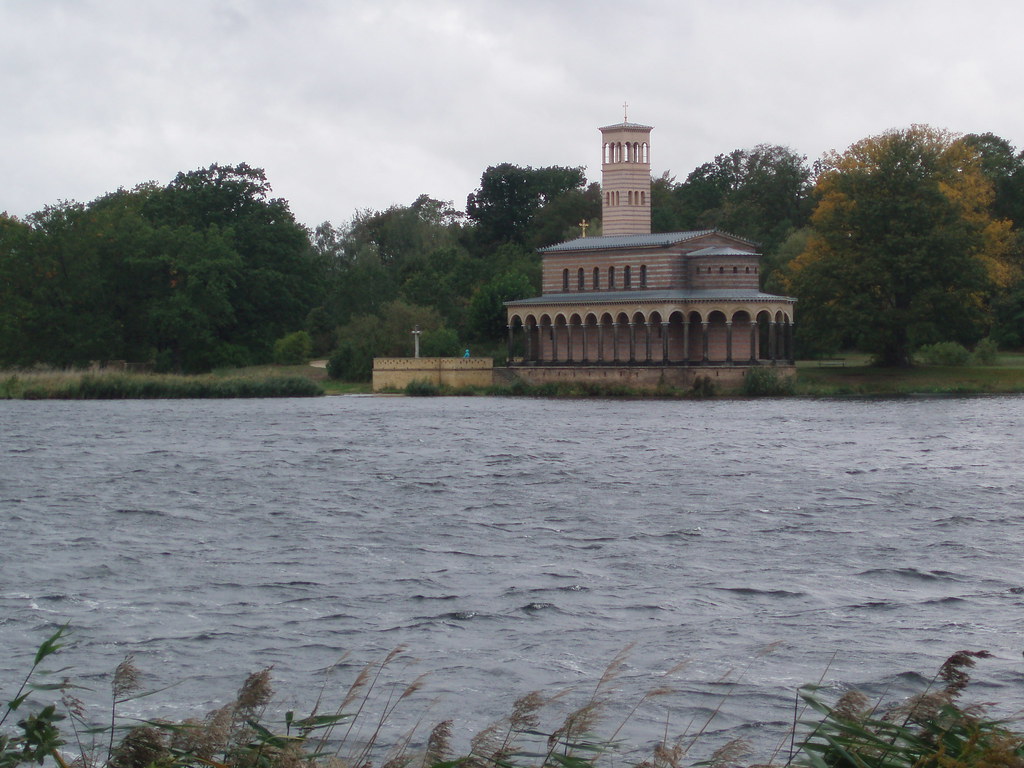
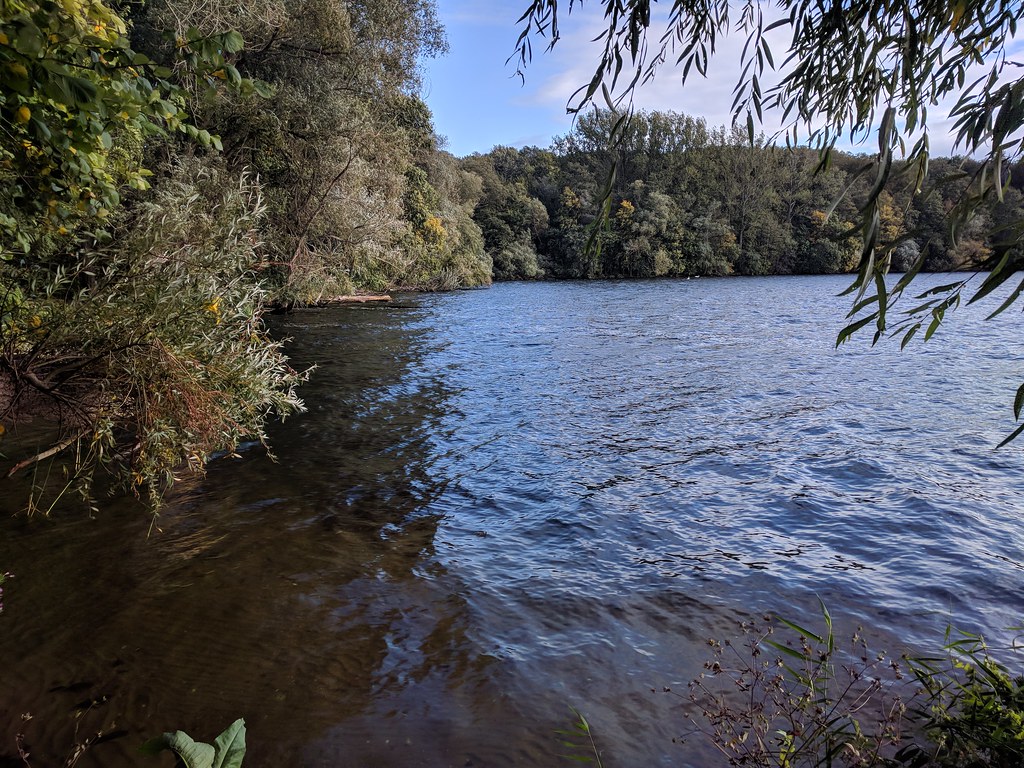
Our first stop near Potsdam was to the north-east on the Havel, parking near Wirtshaus Moorlake and walking along the river to Krughorn . We were yet again on the line of the Wall. At this time of year it was a deserted wooded area.
On the Havel
On the Havel
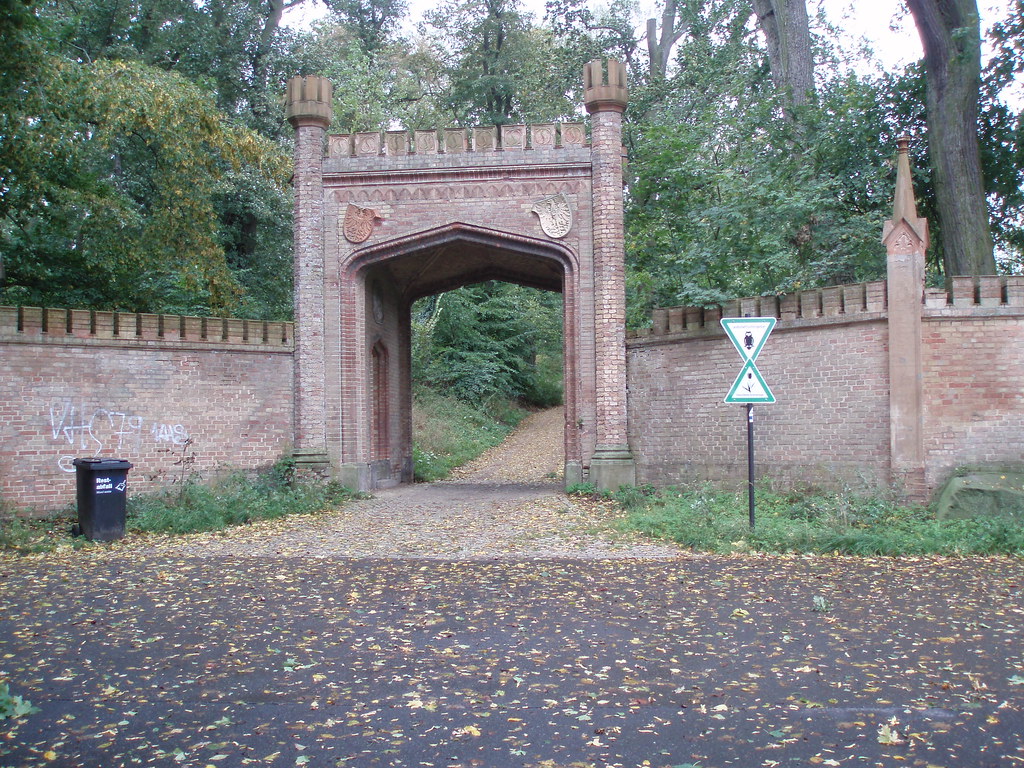
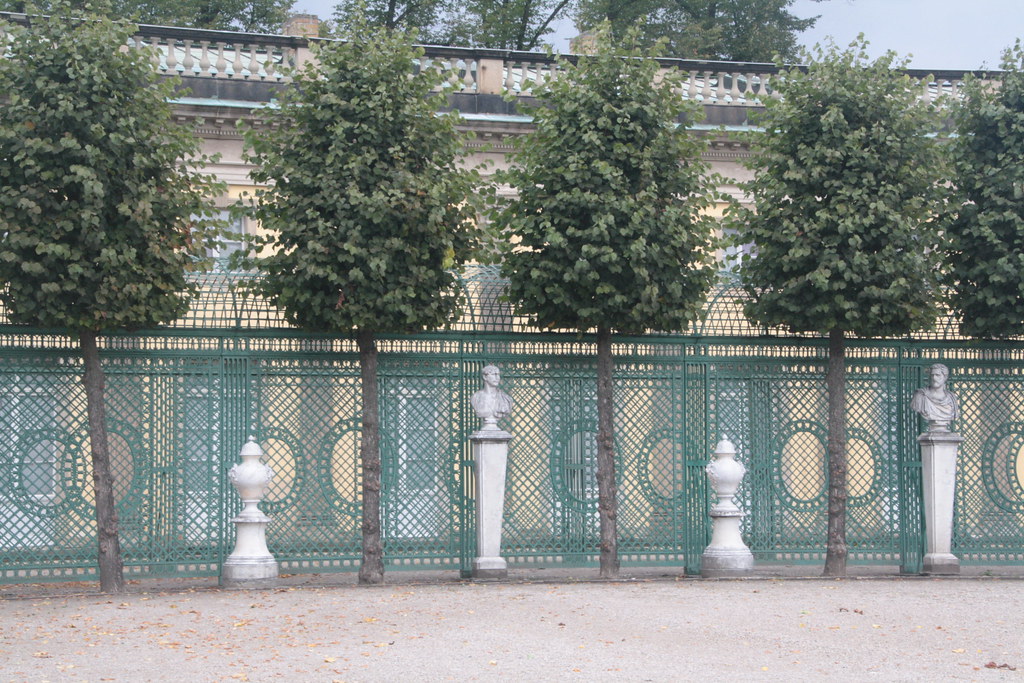
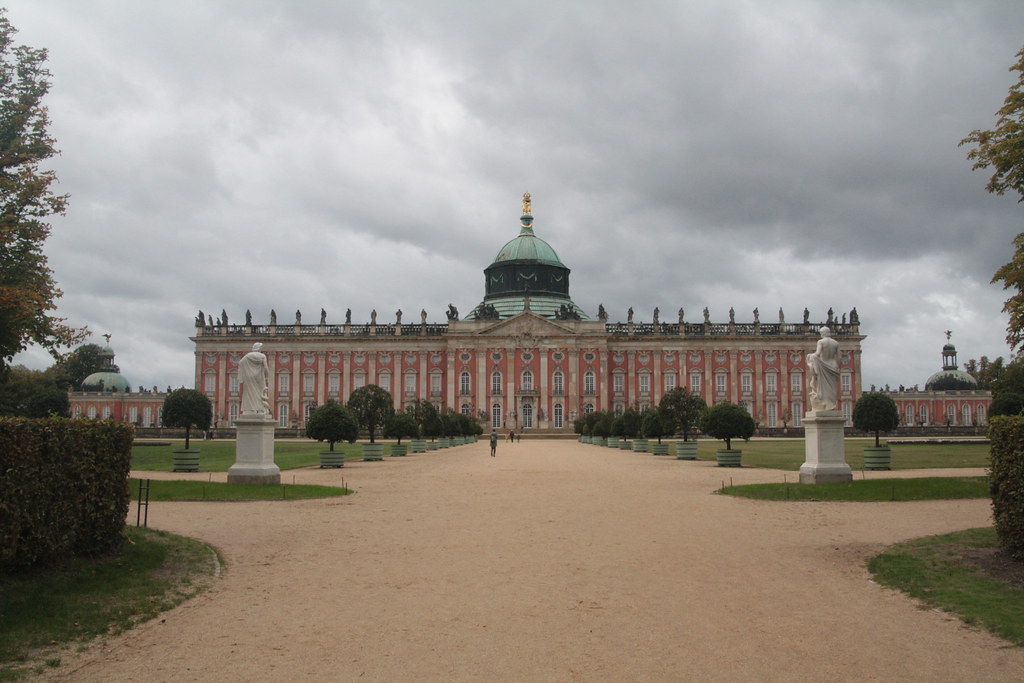
We then moved to see Sanssourci Palace and the surrounding gardens. The car park included space suitable for motorhomes.
The Orangery
Didn’t we have fun!
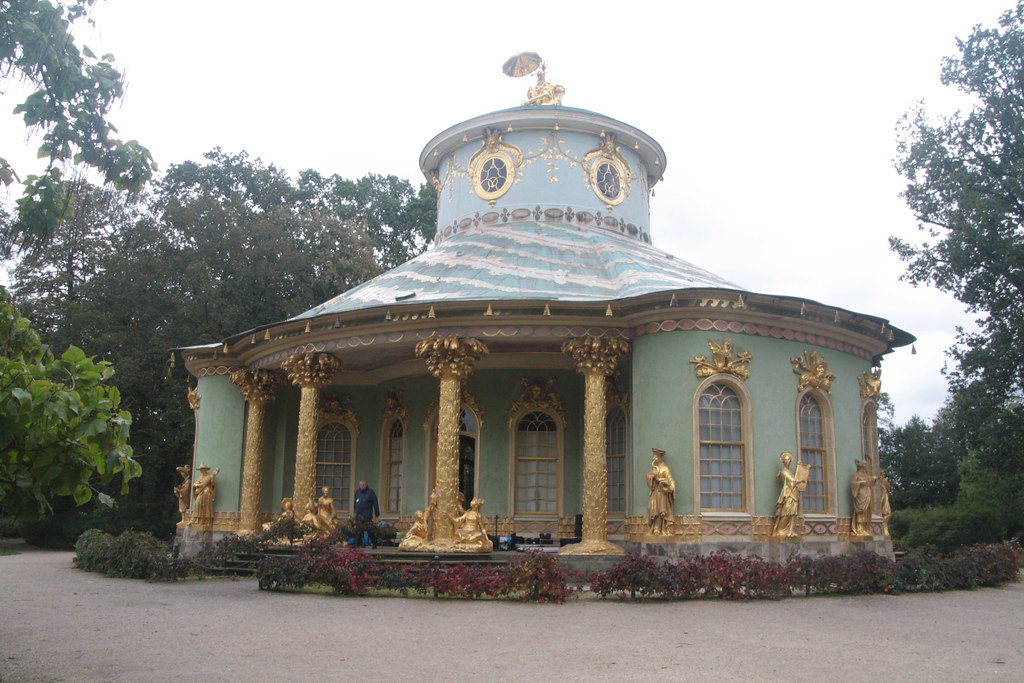
A modest little outbuilding
The Palace
We then moved back out into the countryside to Templiner See, where a walk and cycle path run alongside the railway across the lake.
Templiner See
Templiner See
Berlin City Tour
Click to enlarge
We decided the best way of seeing the city in the weather conditions was by boat – a relaxing place to chill and be shown the sights. We then had the pleasure of a meal with our hosts.
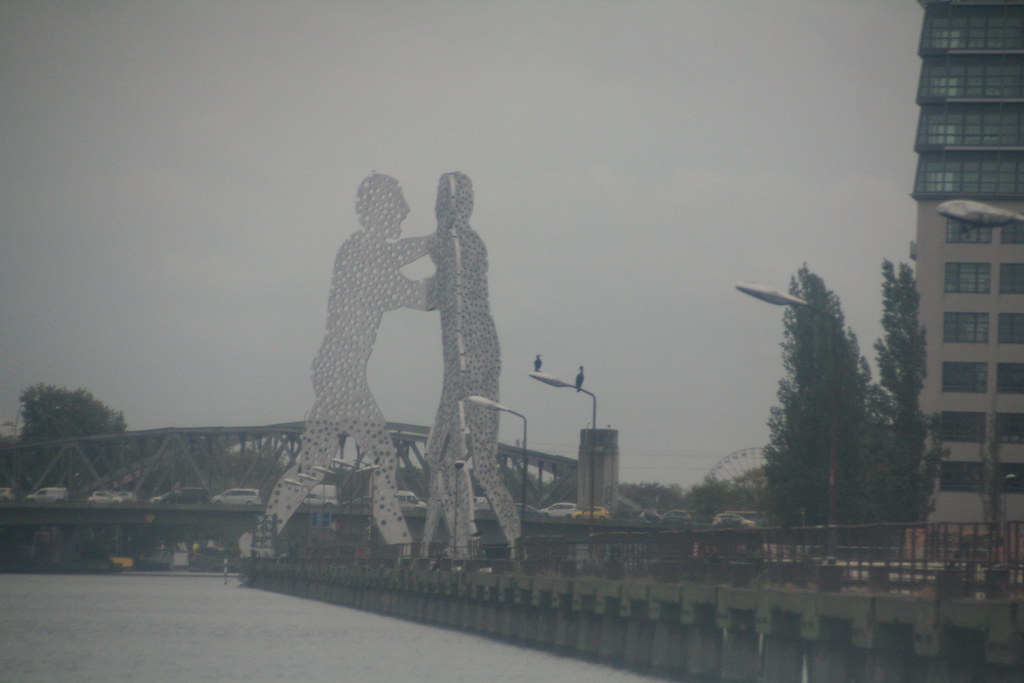
Molecule Men – in grey
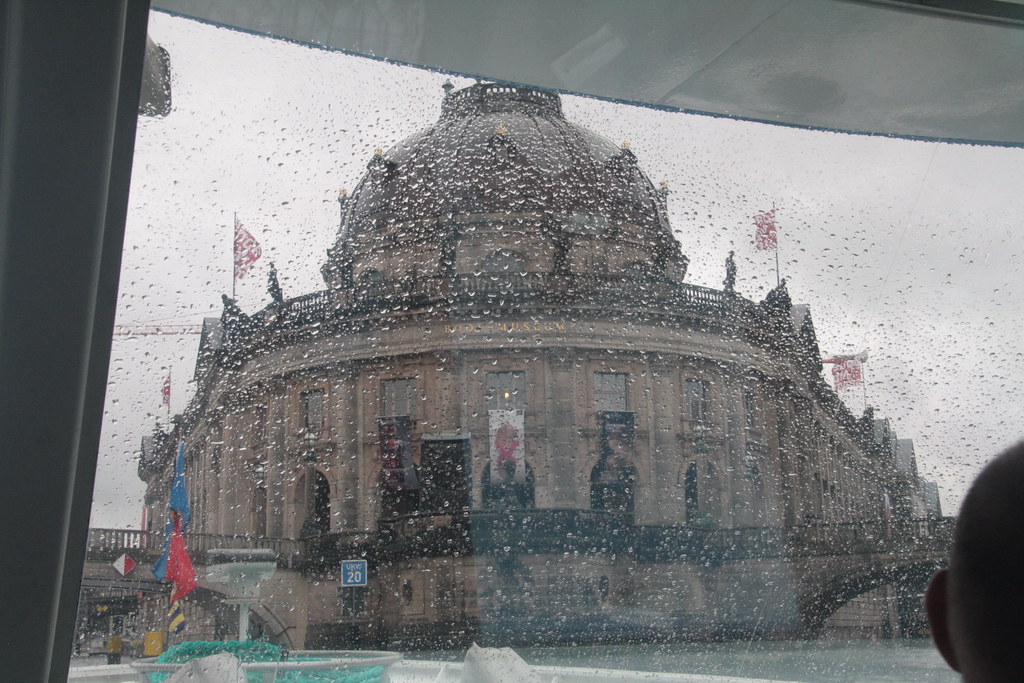
The museum quarter – a good day to be inside
The Wall
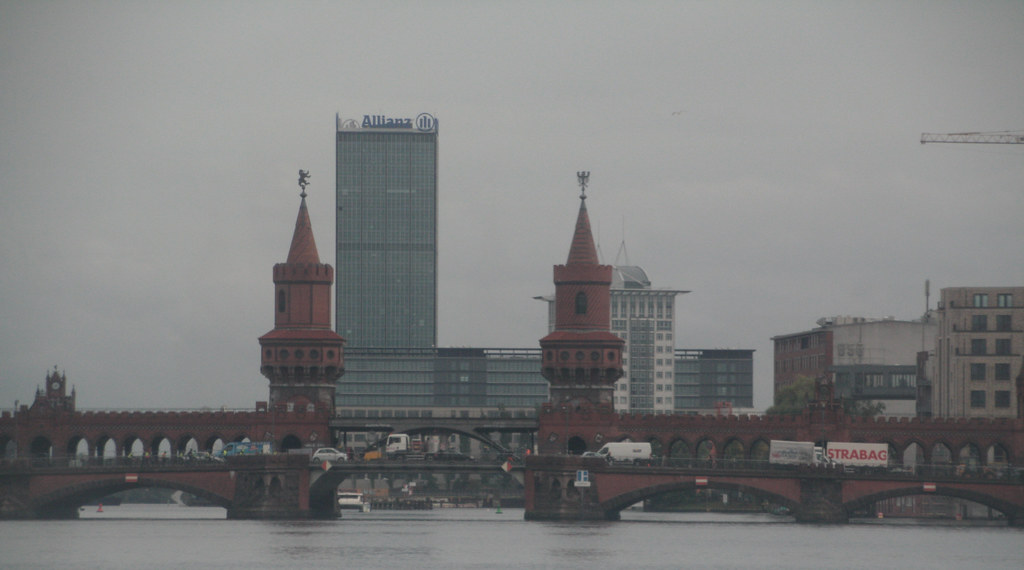
Oberbaum Bridge
Peenamünde
Click to enlarge
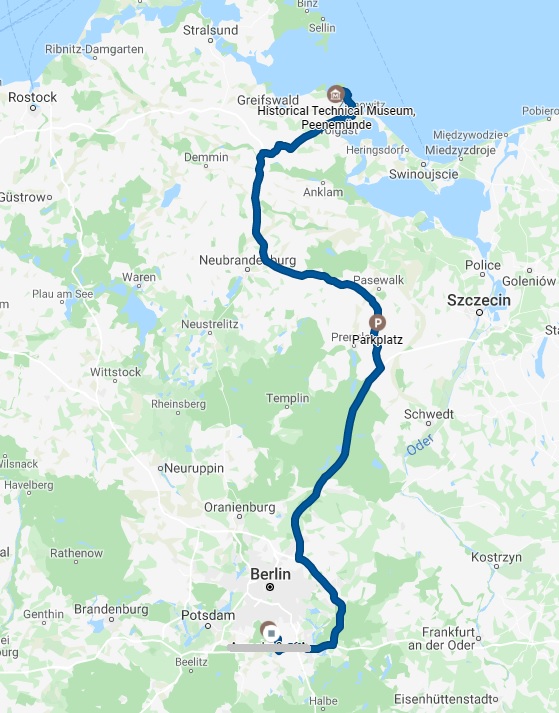
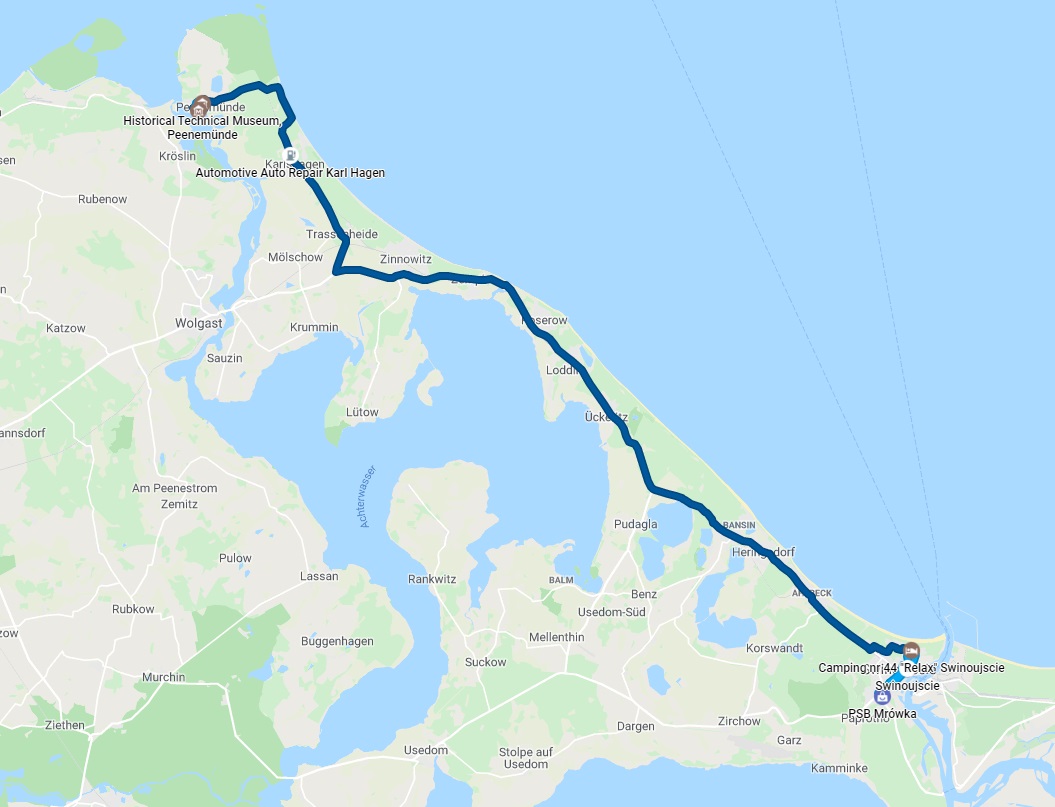
I’m an engineer, so I was excited to see that Peenamünde was within easy reach. It turned out that we got more excitement than we intended before we got anywhere near our destination. We became the subject of what I can only interpret as a robbery attempt on the Autobahn as a pair of Mercedes cars tried to stop us and force us off the road. Twenty miles per hour is not very safe, but no-one ran into us, we didn’t stop, and we stayed on the road.
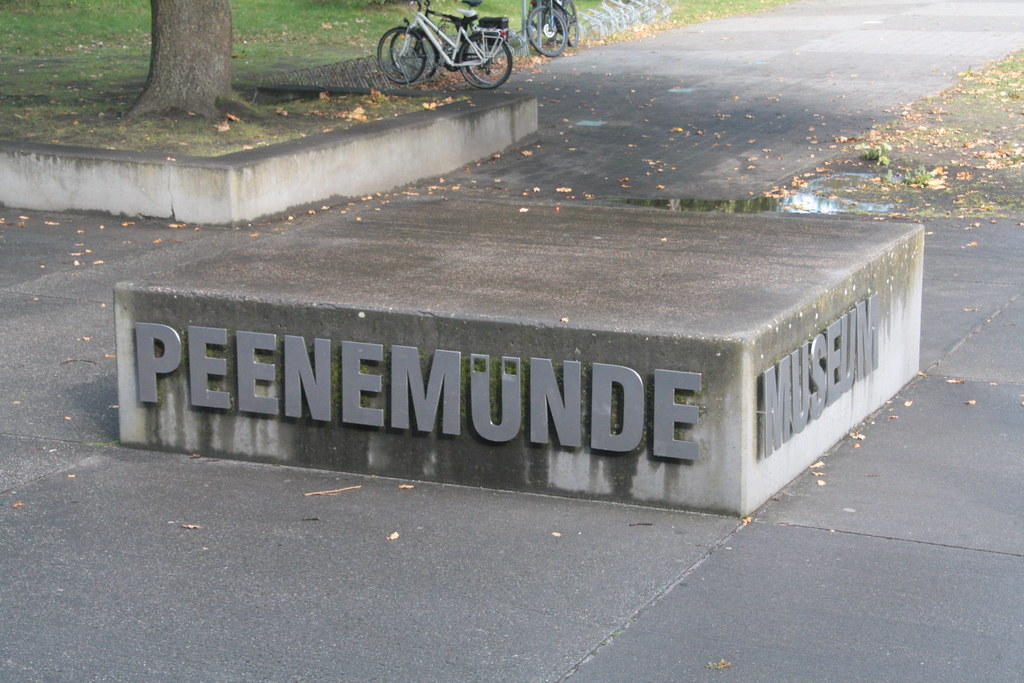
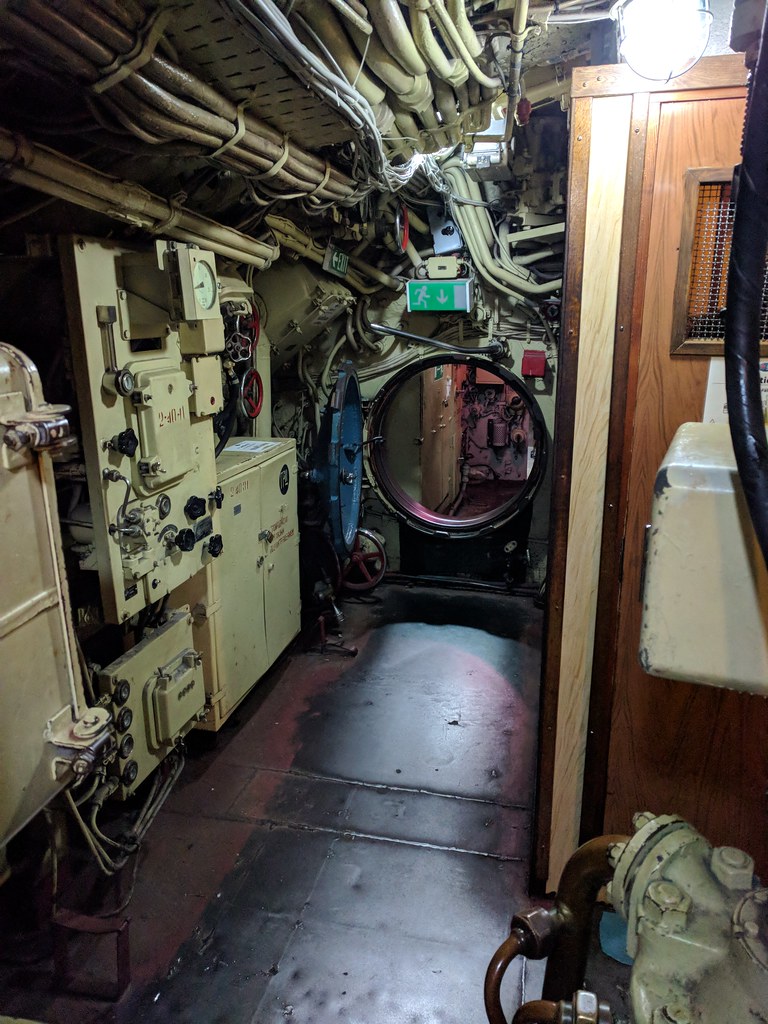
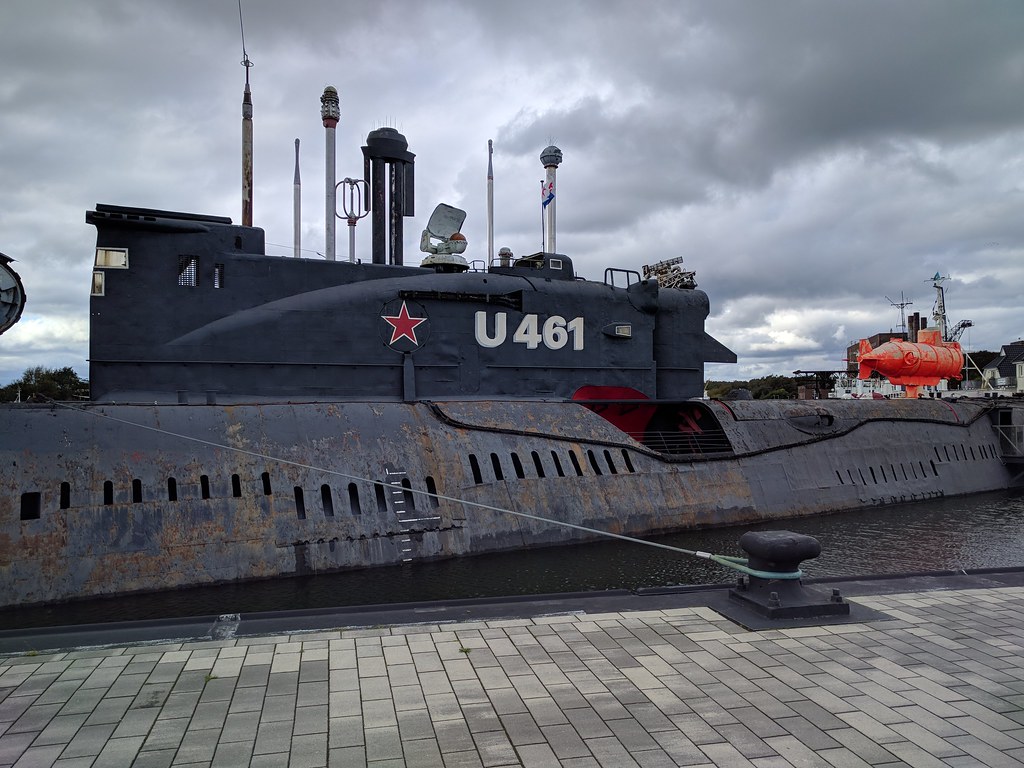
Peenamünde is where the German World War Two V2 rocket was developed. The museum presents a very well balanced perspective on this difficult subject, covering technical, political and human aspects. It’s one of the best museums I’ve visited. There are several other museums around the harbour and I enjoyed a visit to a Russian U-boat. We stayed overnight in the coach-park just outside the museum (pay and display).
Świnoujście
Click to enlarge
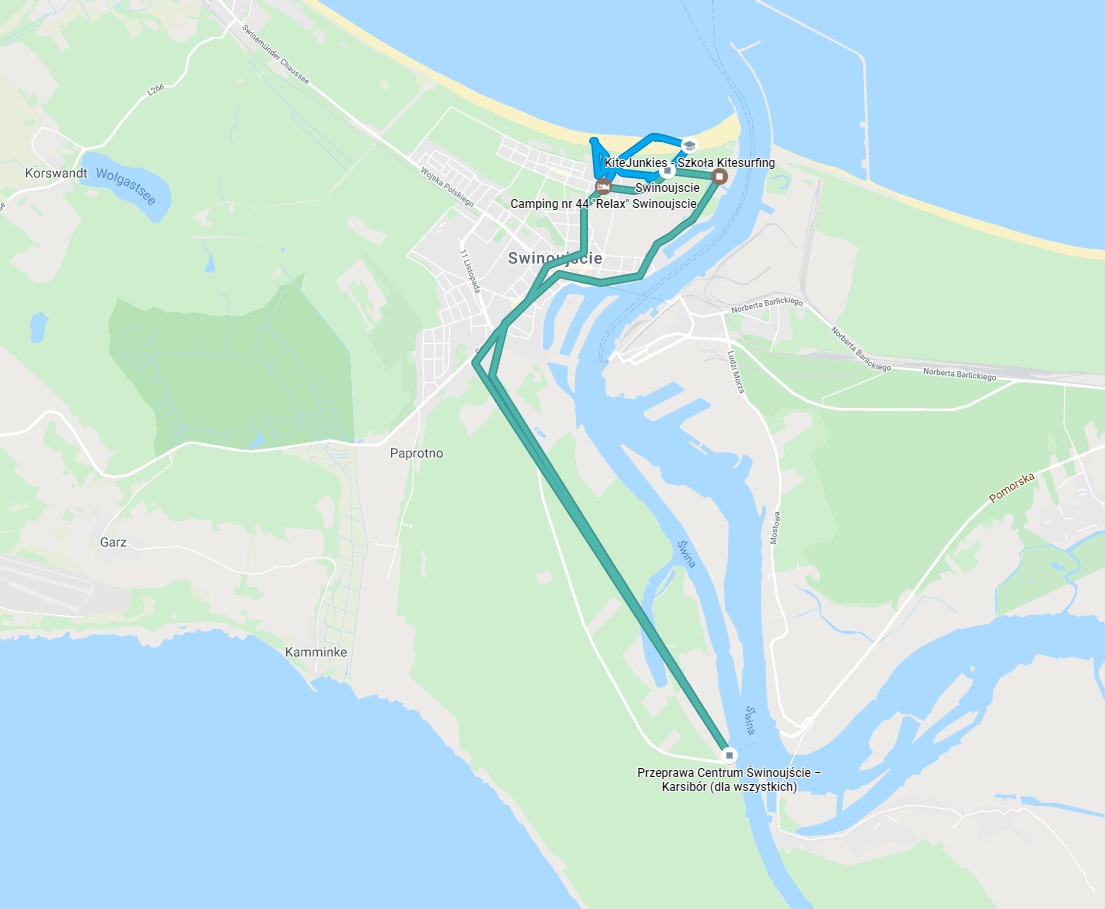
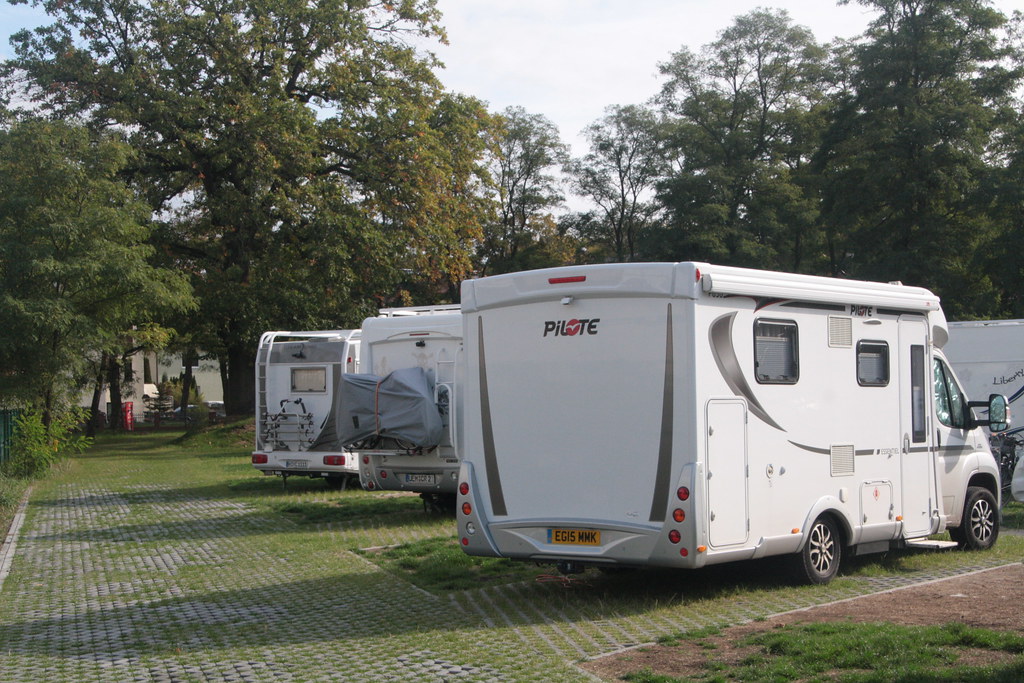
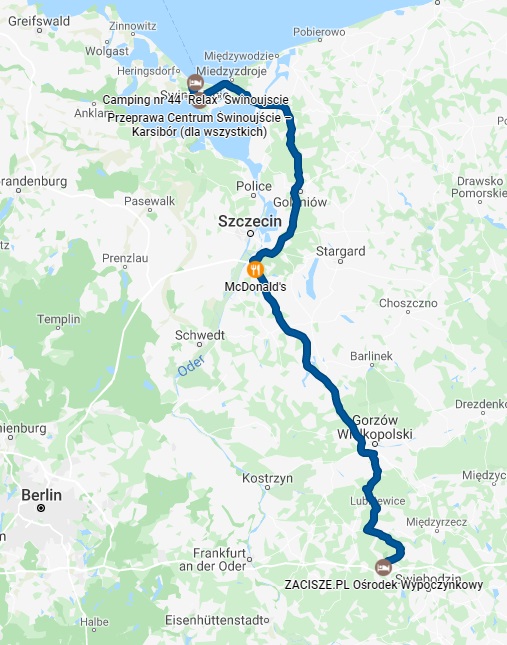
We were now very close to the Polish border, and the route along the coast looked intriguing. In practice, while there were probably interesting and scenic locations along the route, the actual road was not terribly exciting. The border crossing was very congested, not helped by extensive roadworks, but we found our way to Camping Nr 44 Relax. This site has mixed reviews, but for a motorhome the pitch was pretty good. The facilities blocks were not the best, but the location is very convenient for the beach and the town. If you stay at Camping Nr 44 Relax and want a mains hook-up, then you will need a cable with a standard European domestic plug on it, not the normal blue hookup connector. I had left our adaptor at home, and after unsuccessfully searching the shops for suitable parts to make one, I ended up changing the plug on our hookup cable.
Click to enlarge
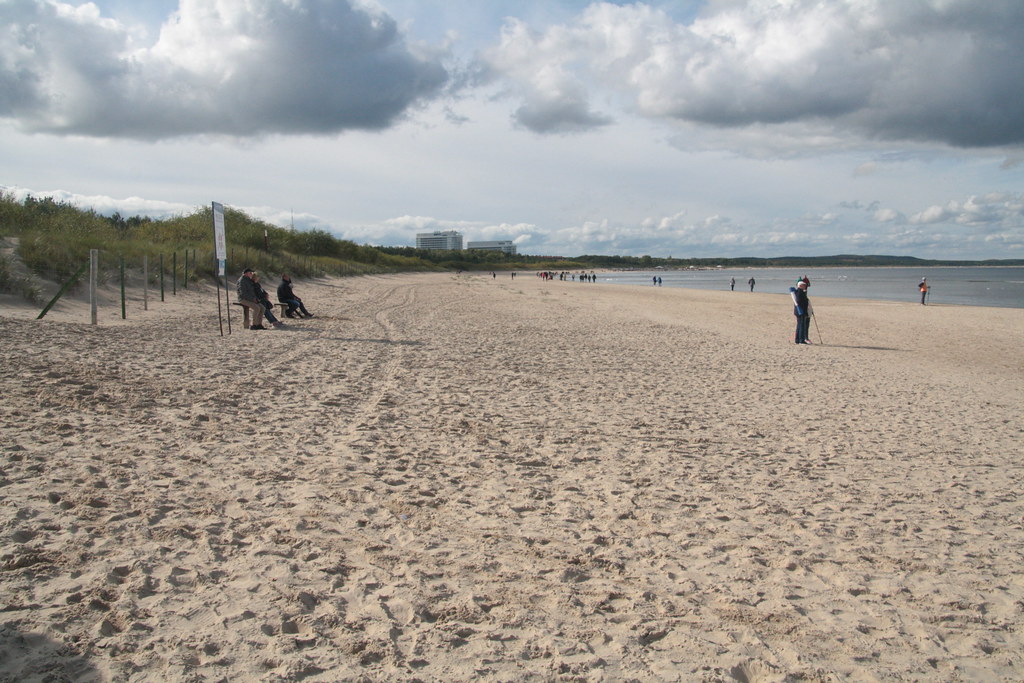
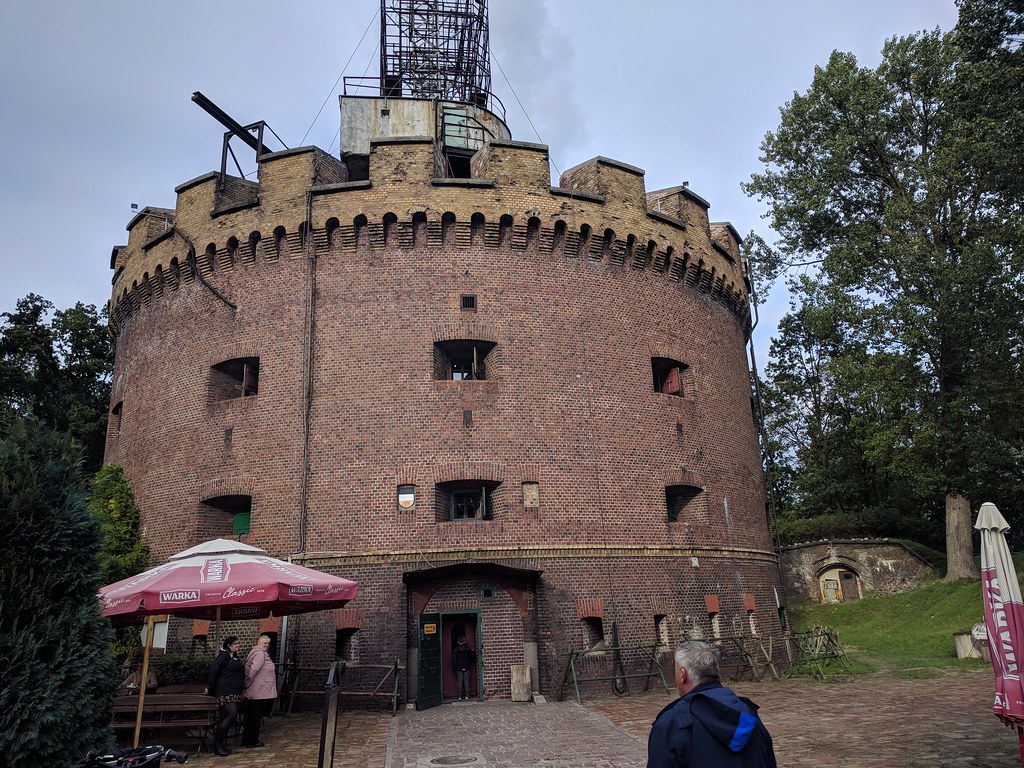
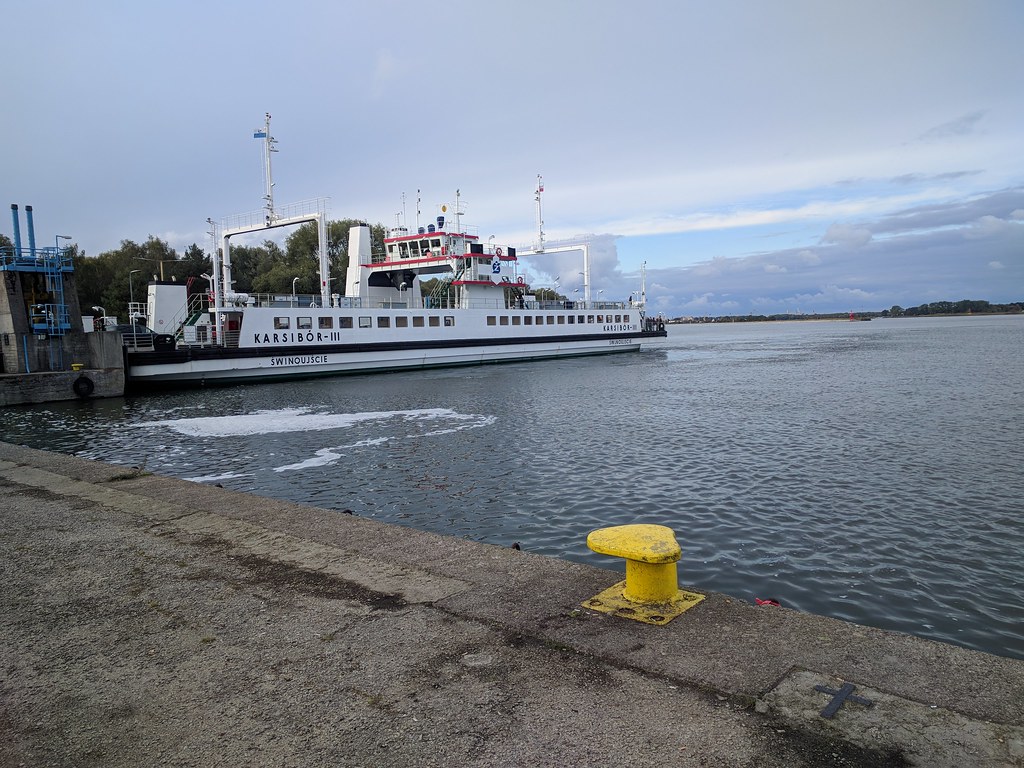
We enjoyed a break in the rain, allowing a walk along the beach and a cycle ride to look at the ferry crossing. We could have enjoyed ourselves for longer than the two nights we stayed at Świnoujście , but we still wouldn’t be able to pronounce or spell the name.
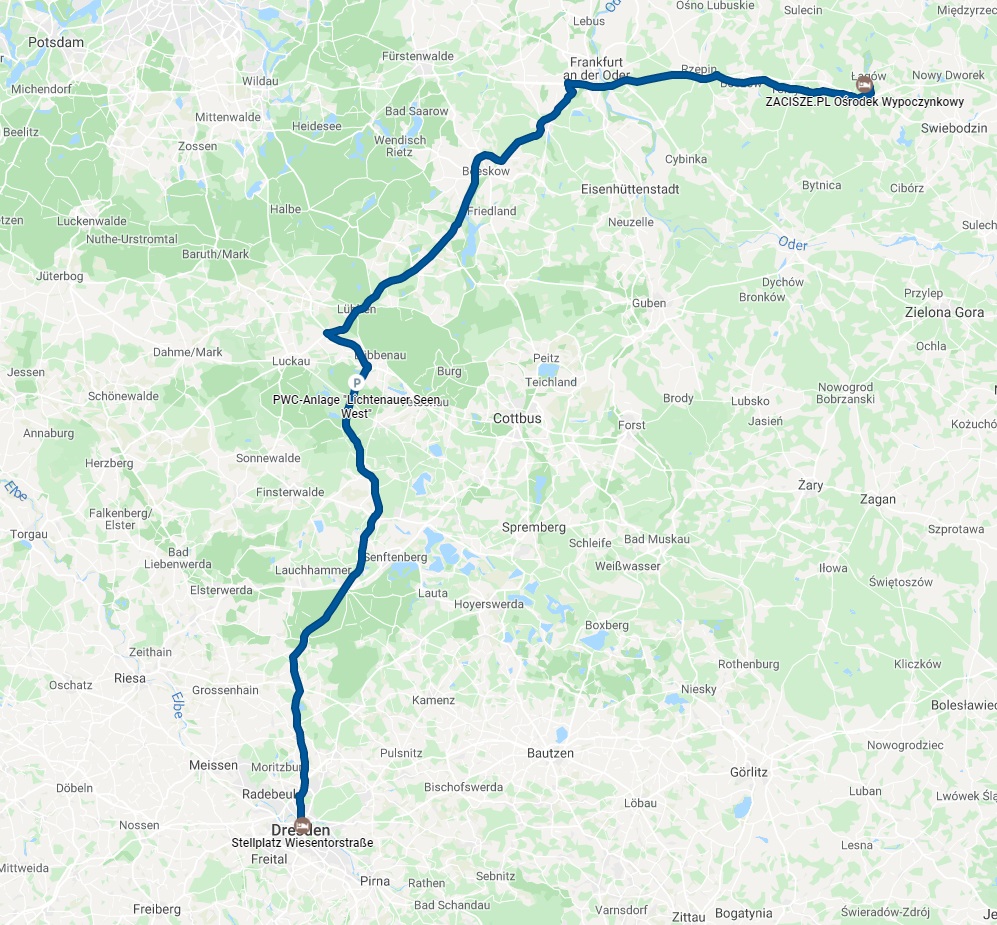
Łagów Lake
Click to enlarge
I had a bit of a surprise when I looked at the route out of Świnoujście – we had the choice of taking a ferry (which I had seen on my bike ride had long queues) or retracing our steps. It had to be the ferry – time shouldn’t be an issue on holiday. Having gained some understanding of the geography of the area on my bike ride the short ferry trip was very pleasant. It was free too.
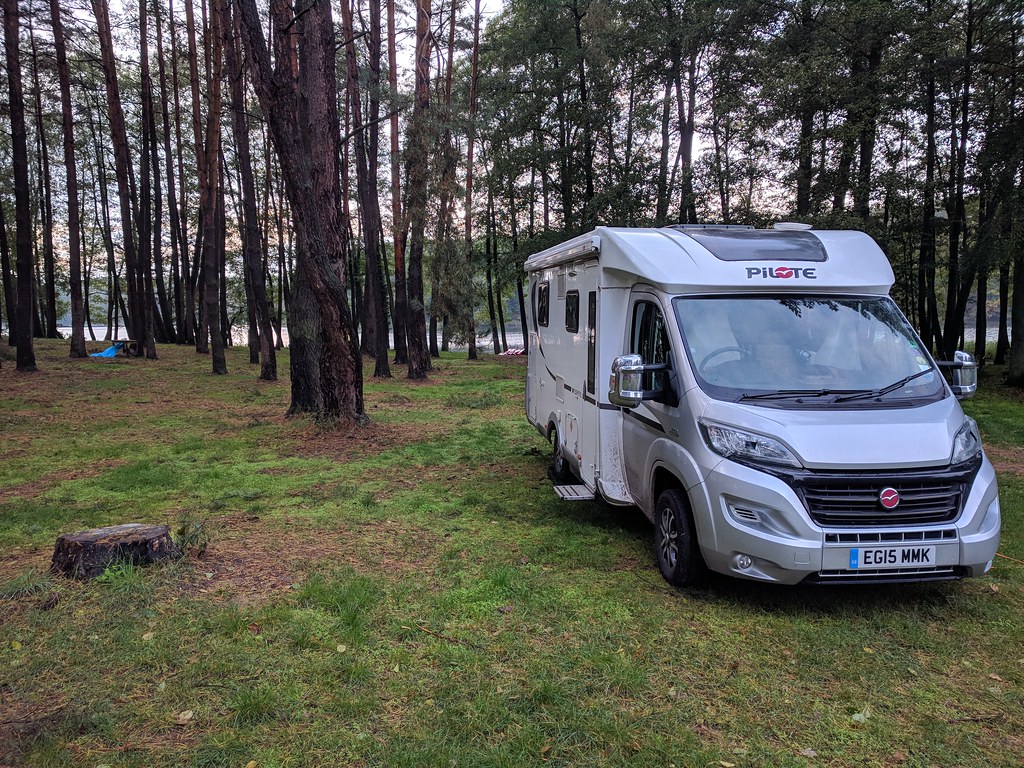
Although we were now heading south, we wanted to stay in Poland rather crossing the border back into Germany. We were following a road that varied from good motorway to construction site. We didn’t have any particular target for the journey that day – we were heading for the Black Forest at a gentle pace, seeing what we might discover on the way. The Zacisze campsite at Łagów Lake was a delightful discovery. At first sight I thought it was closed for the winter – but a cheery greeting from the manager assured me that they were open for business, even if the weather had washed away part of the access road. We had the entire campsite (complete with electric hookup) to ourselves. My modification to the hookup cable for the previous site proved useful for this site too, but there was a further impediment. I had fitted a European plug which didn’t accommodate an earth pin in the the fixed socket. I was able to overcome this by using a European plug adaptor on my European plug – magic.
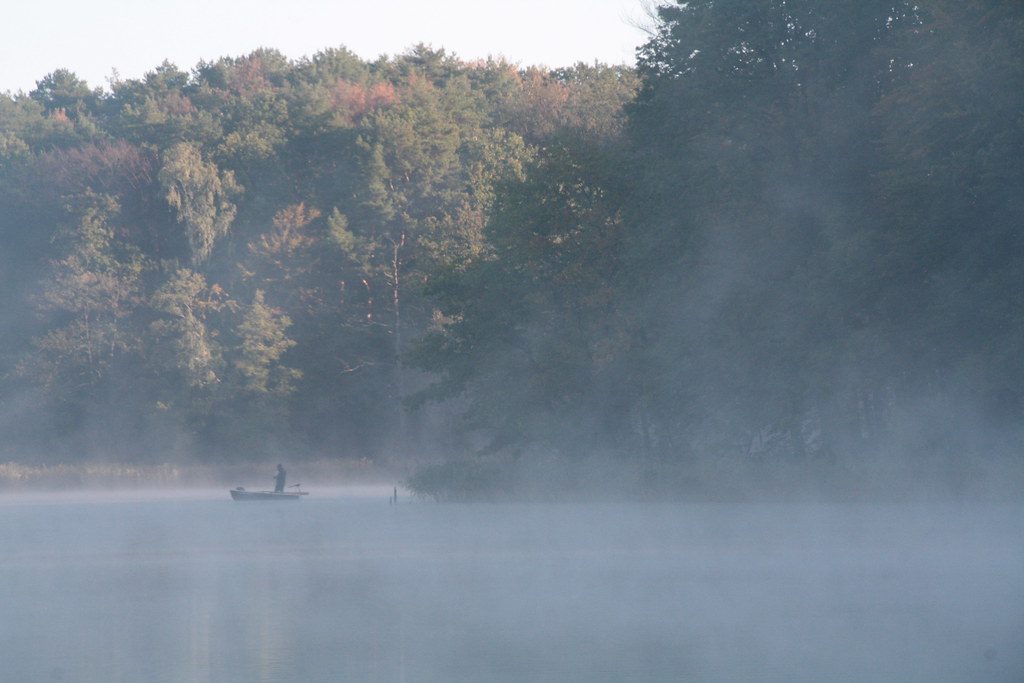
The lake was peaceful and beautiful, and in the evening it was host to a huge number of energetic fish leaping out of the water.
Dresden
Click to enlarge
The day started in sunshine, with the trees steaming from the overnight rain. We were locked into the campsite, our hookup cable was locked into the electricity box and we had to drive uphill on a wet surface partly off the track due to earlier flood damage. What could possibly go wrong? Nothing at all, as it happened.
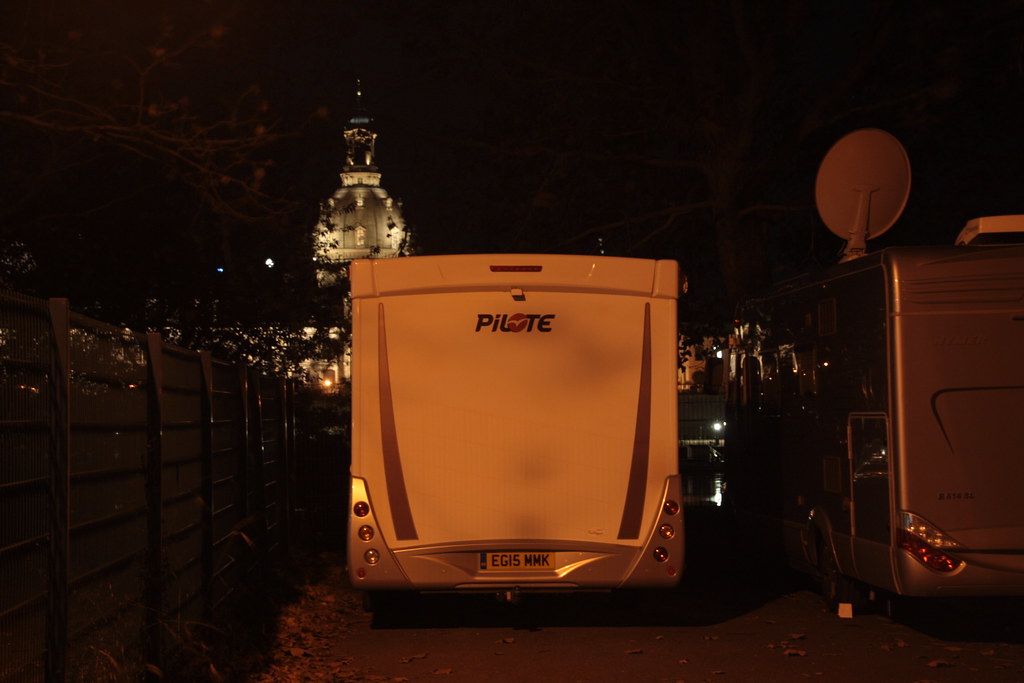
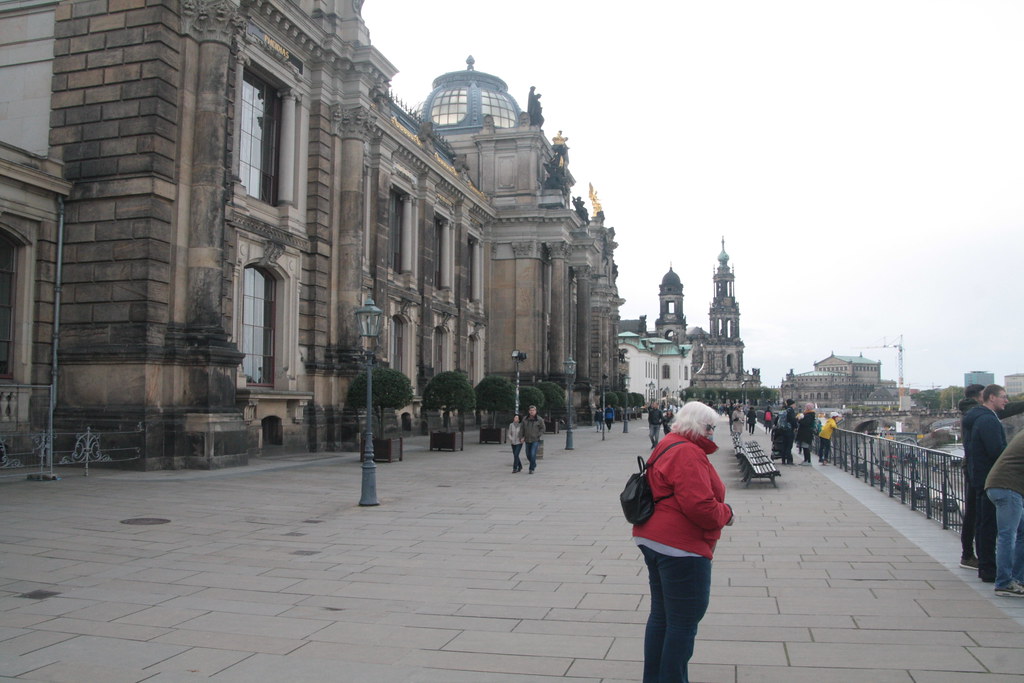
We were going back into Germany, and had decided that Dresden would be an interesting destination for the day, with all the ingredients for a city stopover – history, architecture and a big river. The Stellplatz didn’t let us down. I was surprised to see a spare place right in the corner, facing the historic town across the river. I was surprised that such a prime spot was free. It was only after I had explored a little more that I realised the other motorhomes were clustered around the electric hookup point – which made some sense given the chilly weather. However, we were comfortably installed with a great view, so we settled for an off-grid night. The ticket machine was an interesting intellectual challenge, but I guess it’s good to be surrounded by high IQ campers.
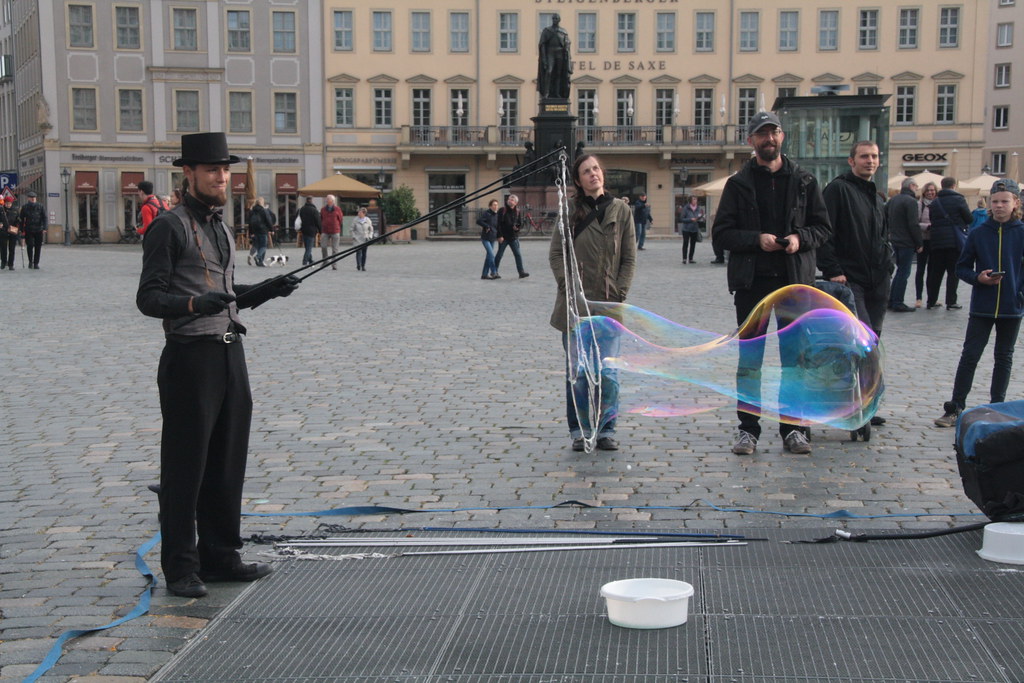
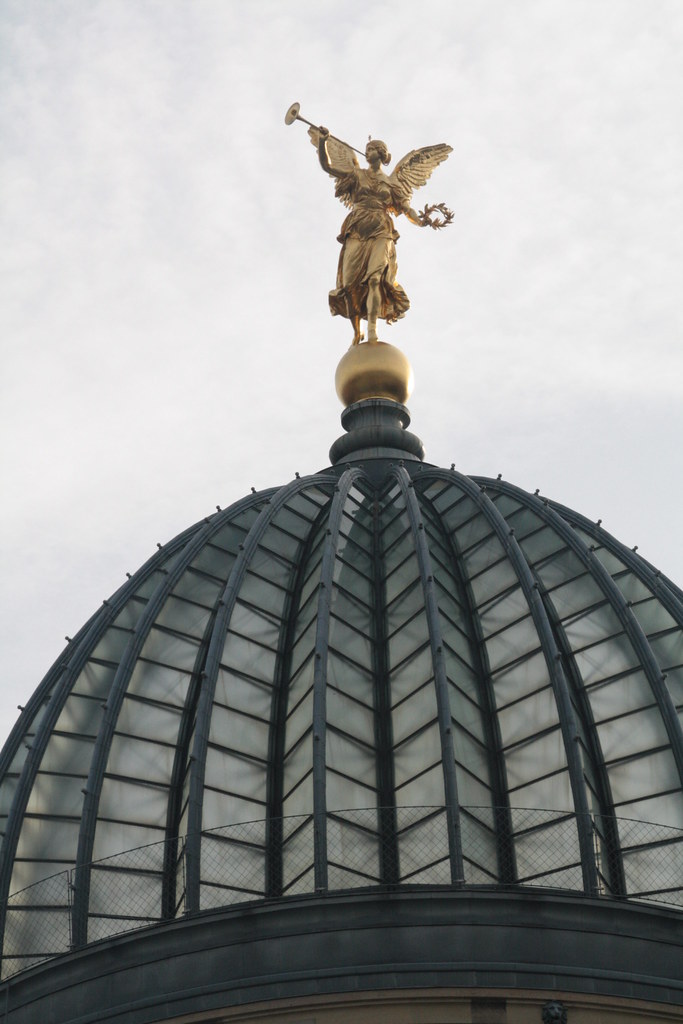
Like so many German cities, Dresden is both magnificent and sobering. It’s not as old as it looks – most of the city centre had to be rebuilt after the war. But that is a side effect of the killing of 25,000 people. So much of this journey has been a reminder of the devastation of war.
A pitch with a view
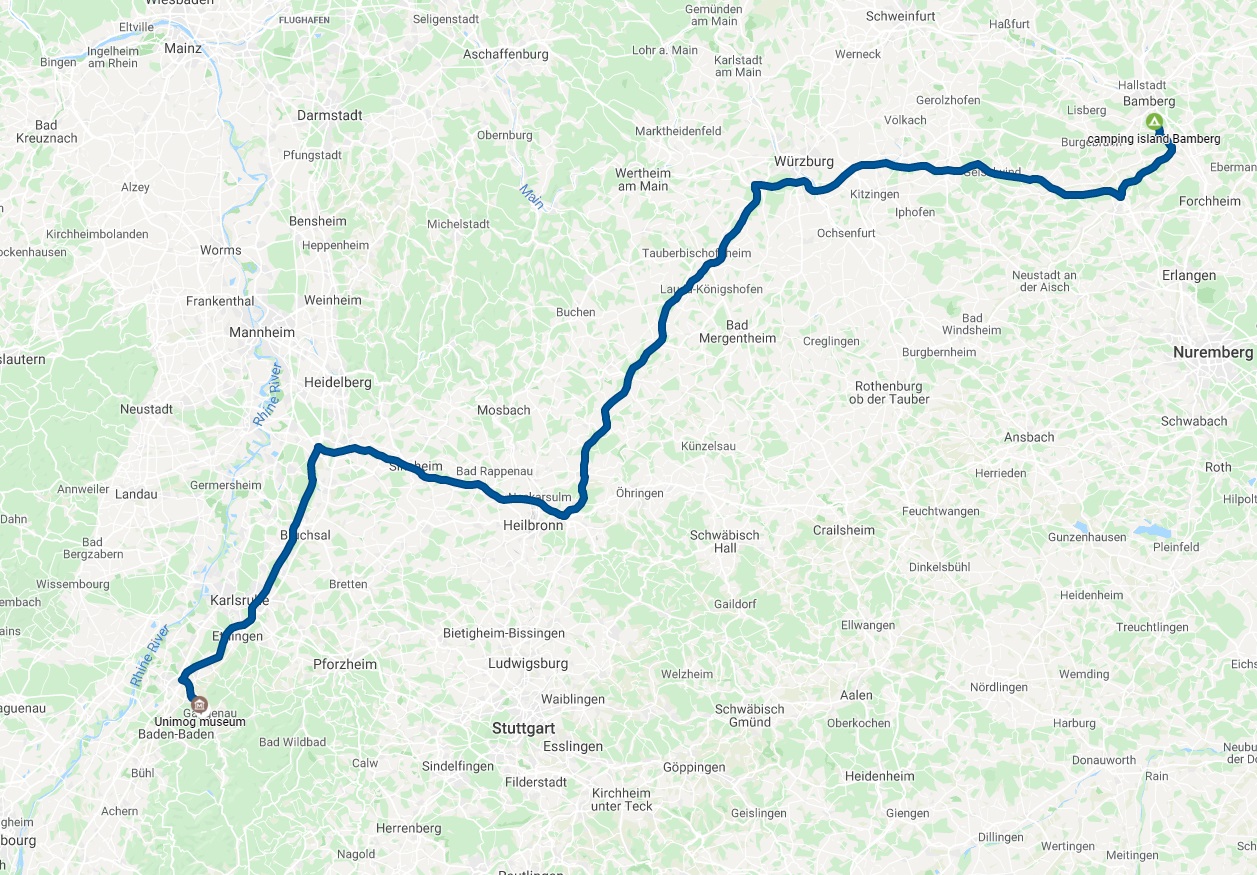
Bamberg
Click to enlarge
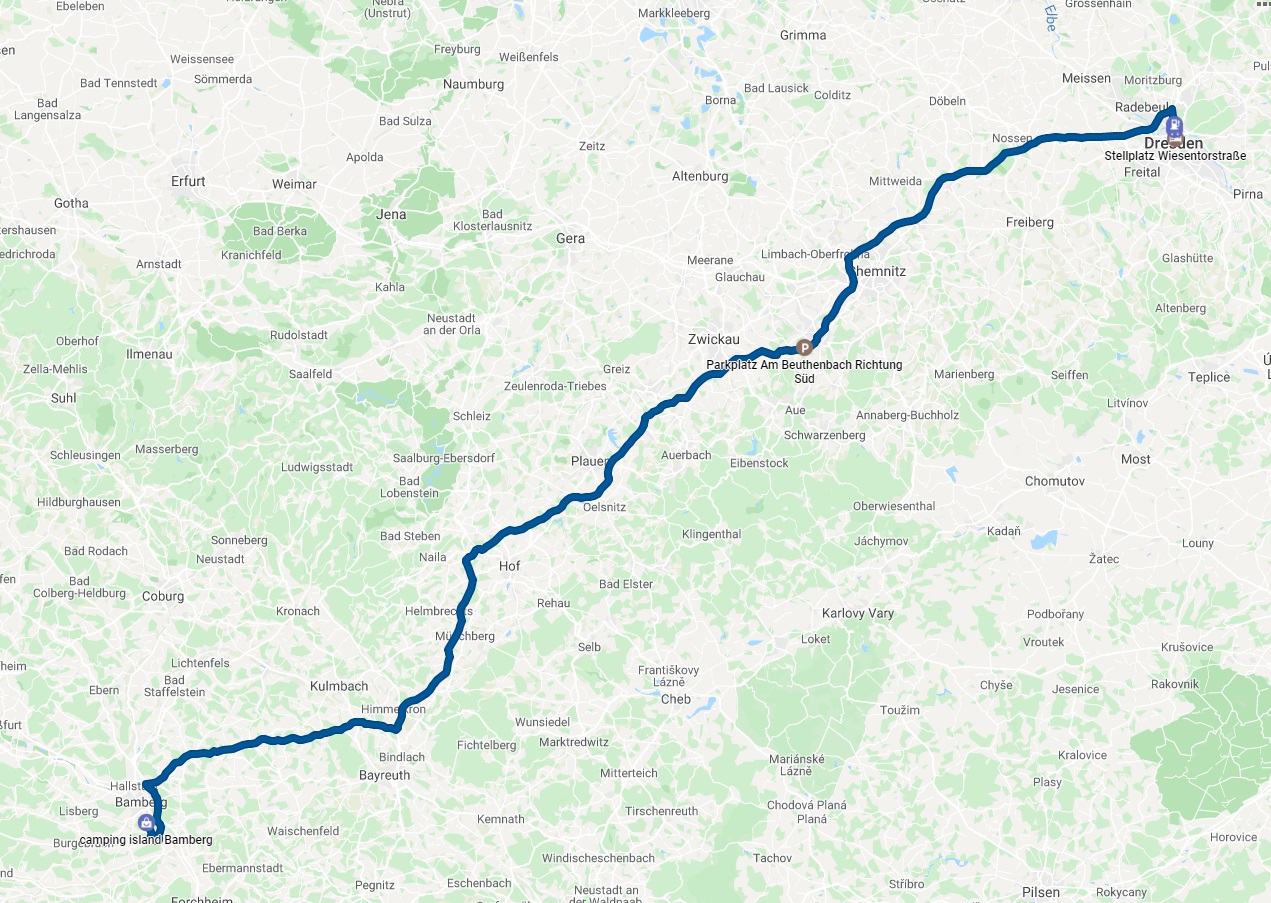
When you park on a Stellplatz there’s often less pressure to get away early than on a campsite – you often pay for a full 24 hours. We left Dresden late in the morning, and then stopped off at a supermarket. But despite the late start this turned into a travelling day.
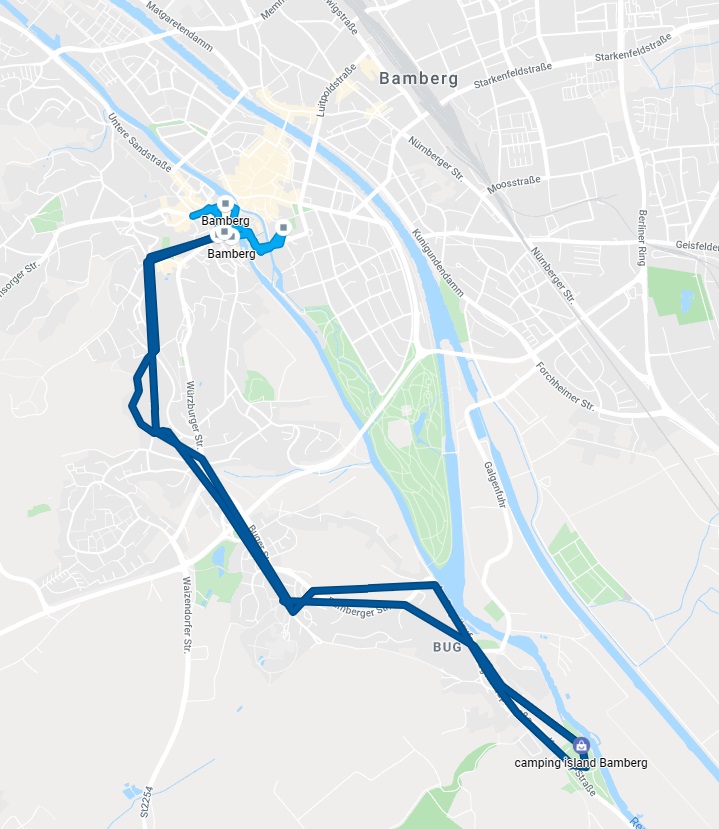
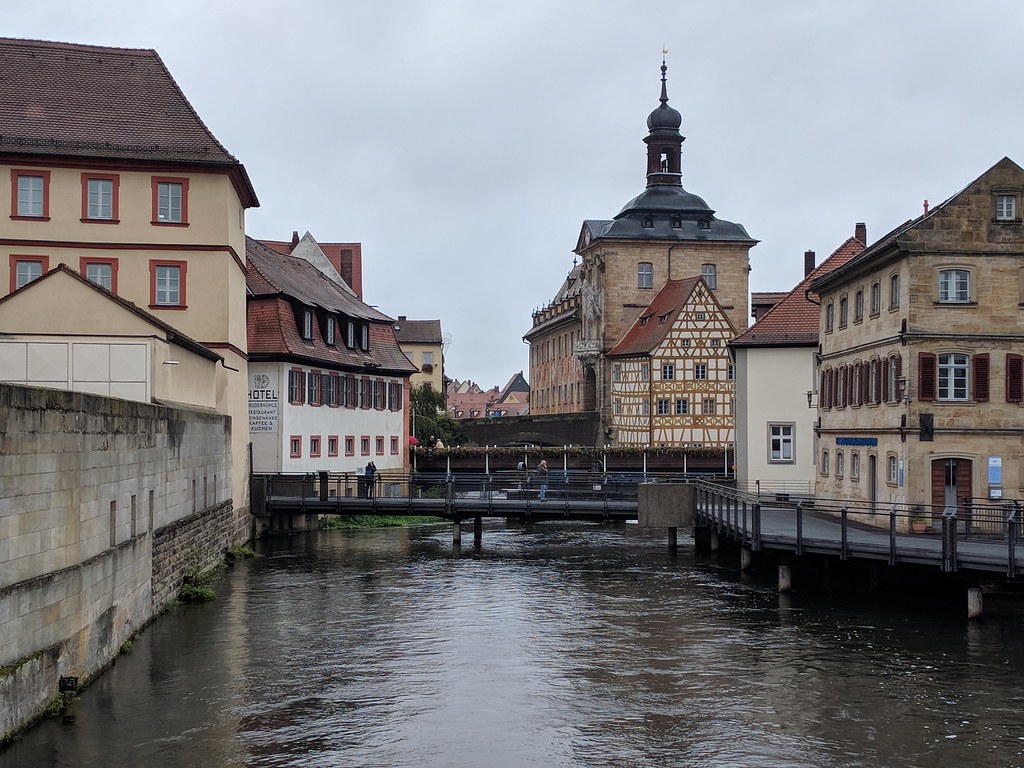
Campinginsel Bamberg is an excellent riverside site – the facilities block was probably the best I have seen anywhere. There was a very popular on site restaurant. The camping ground itself was looking a little tired – it was the end of the season.
Bus into Bamberg
Bamberg was an interesting town, easily accessible by bus from a stop right outside the campsite entrance. For some of the time we were walking in Bamberg it wasn’t raining – but those rivers need to be filled! The very smart town museum gave a good cultural orientation, and made us aware of the places to visit, as well as what we were missing by not wandering further.
Artwork in the facilities block
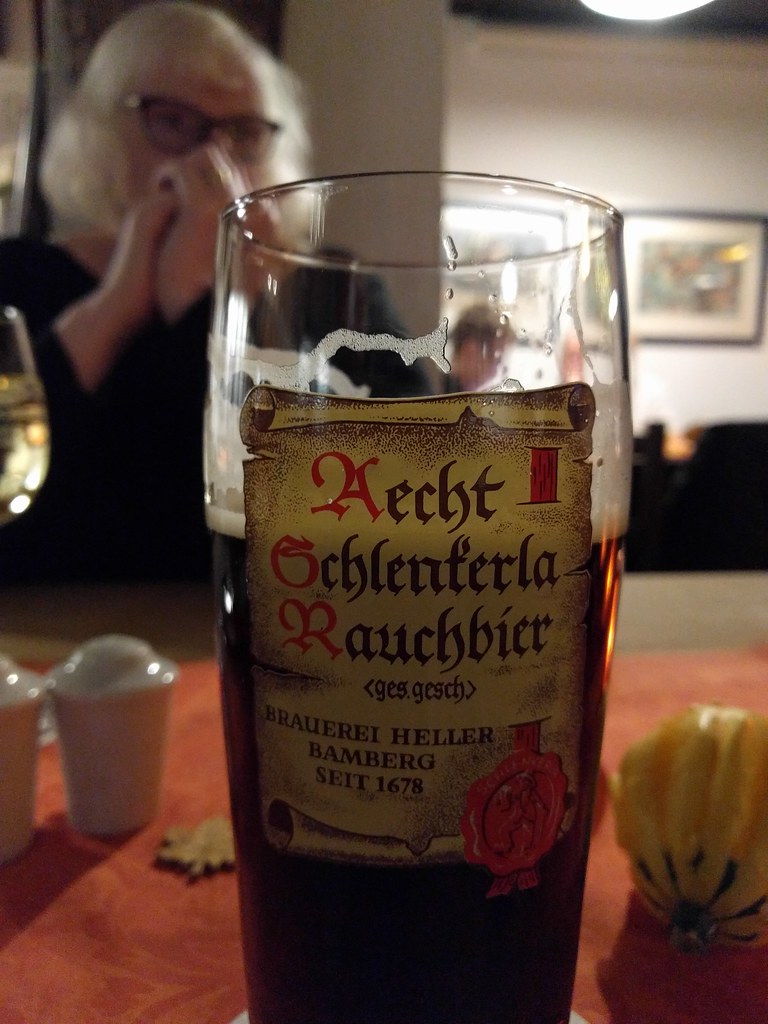
Rauchbier is a thing in Bamberg
Gaggenau
Click to enlarge
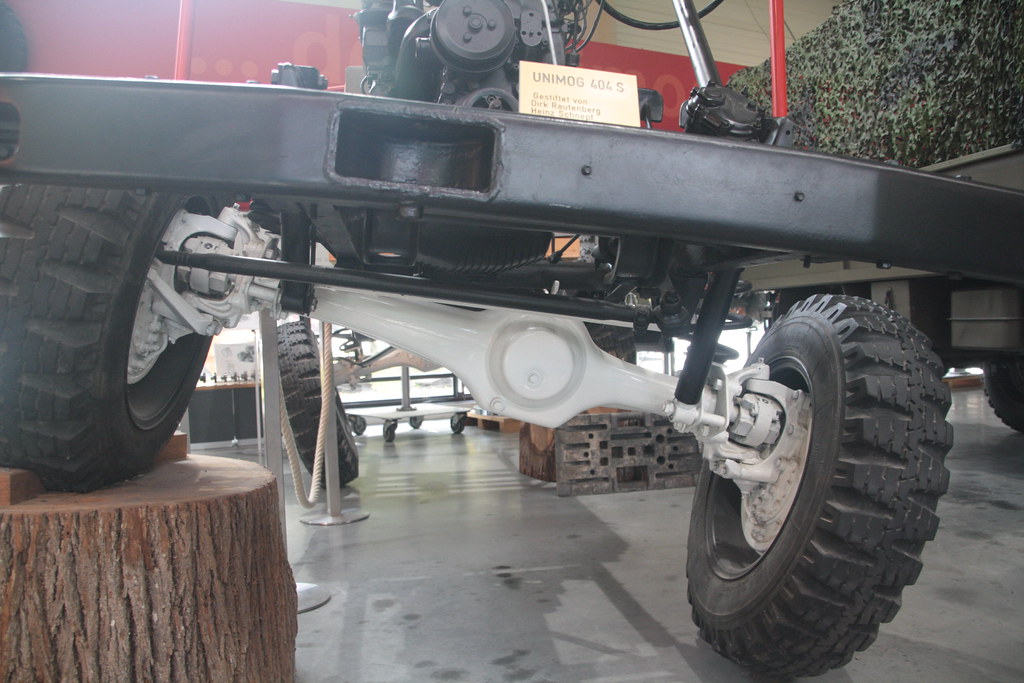
We were making our approach to the northern part of the Black Forest. I was regarding Baden Baden as the landmark for the start of this phase of the trip – which is fine in principle, but where were we going to park? When my research showed that there was a Unimog museum https://www.unimog-museum.com/ in Gaggenau the decision was made.
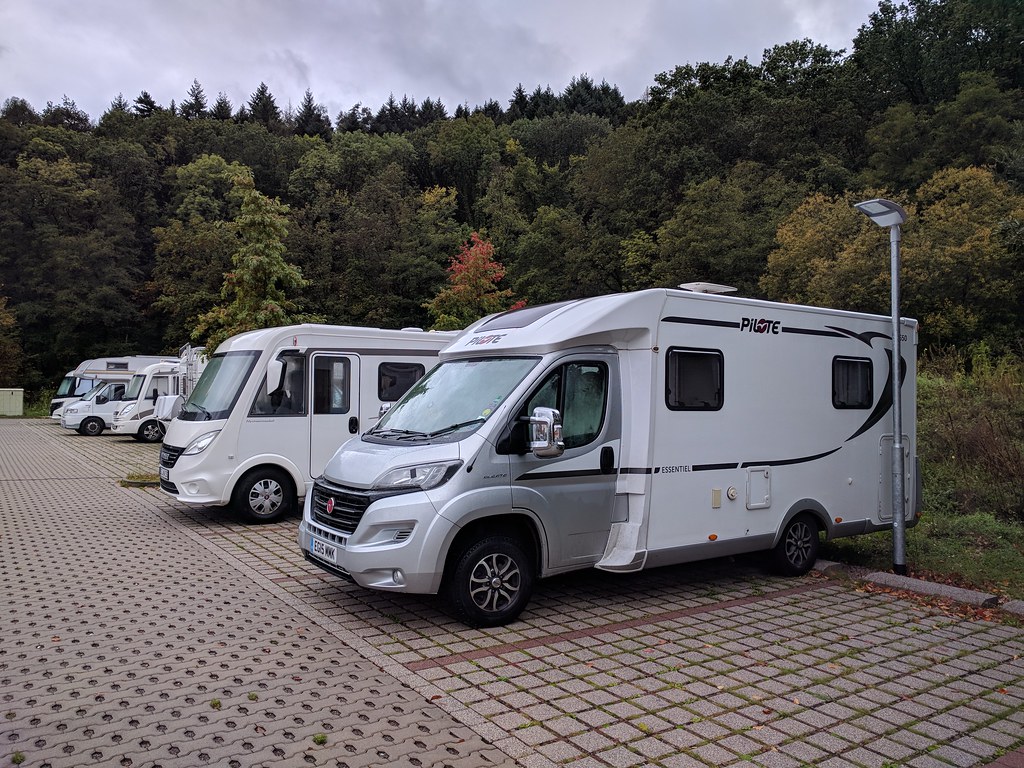
The Stellplatz at Gaggenau is part of a car park just outside the town. It’s clean, well organised and free. There are electric hookup points and it would have been possible to get attached, but we were happier to choose a more spacious parking space and live off grid. The Stellpatz is alongside a park. A walk through the park takes you to the museum – and also gives access to other walks. We didn’t visit the town.
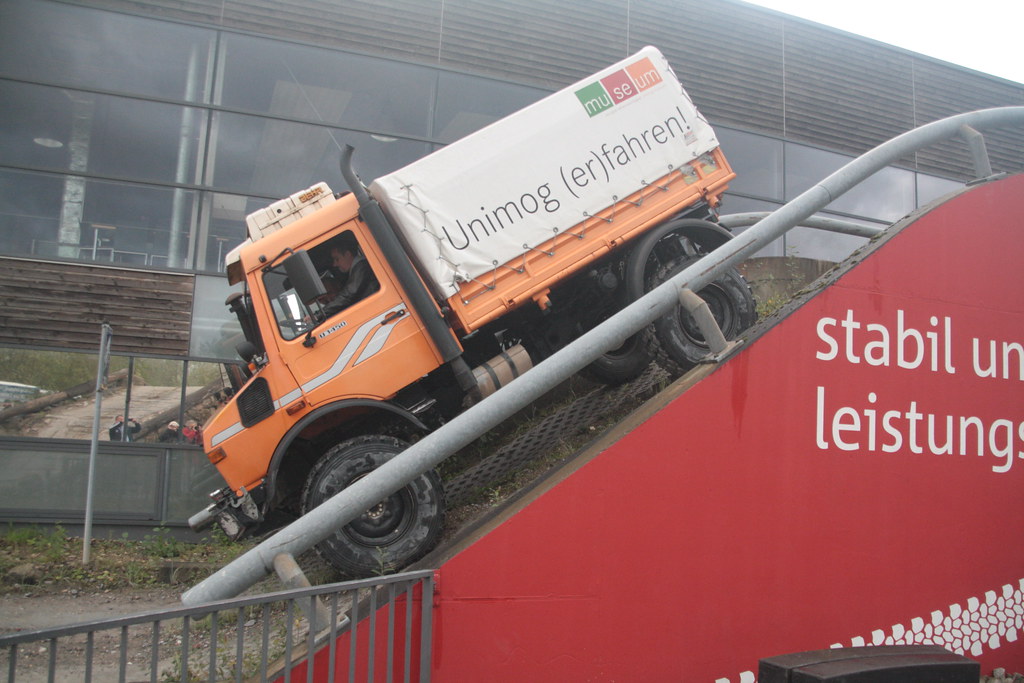
The museum didn’t disappoint. The static exhibits are relatively modest, but the real highlight is the opportunity to be driven around their demonstration track. For me a Unimog-based motorhome would be a dream.
Stellplatz Gaggenau
This one was a visitor, not an exhibit – nice
Titisee
Click to enlarge
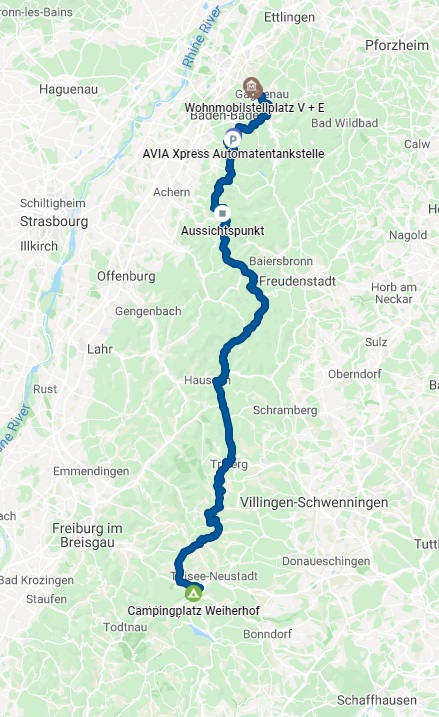
We were perfectly positioned to experience the iconic Schwarzwaldhochstraße, or Bundesstraße 500. Ideally we would savour this twisty steep scenic road and the places around – but it rained, a lot. The sights couldn’t be seen, the walks were flooded. We reluctantly decided to simply drive the road. All we needed was sunshine and a motorcycle.
And relax
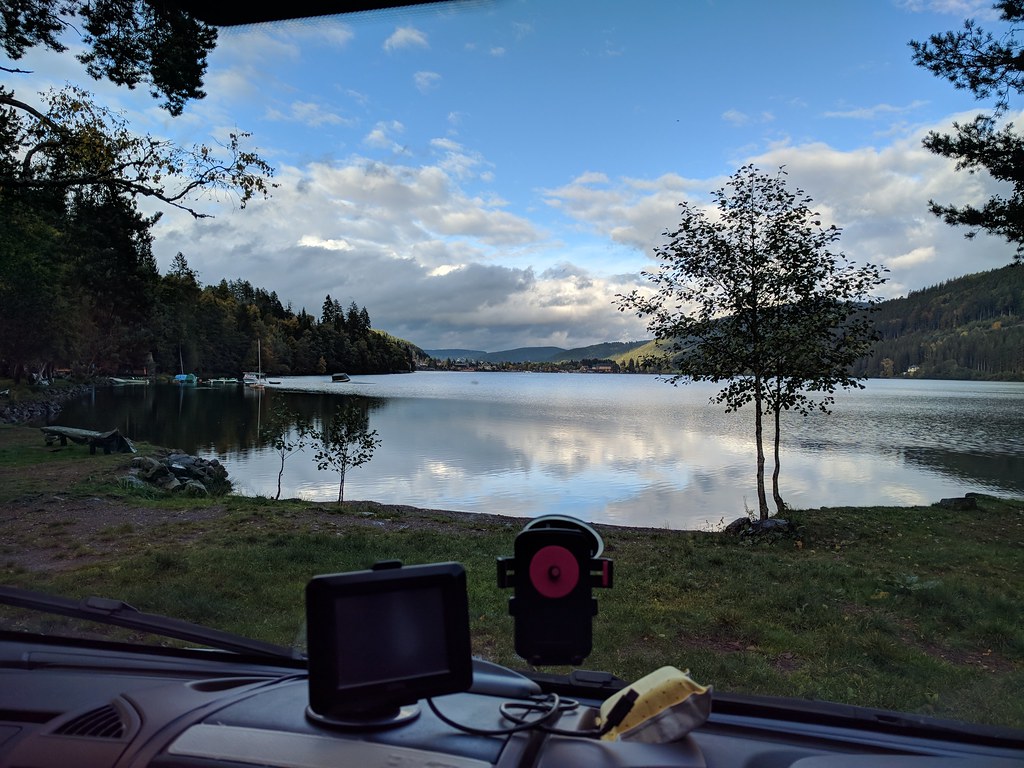
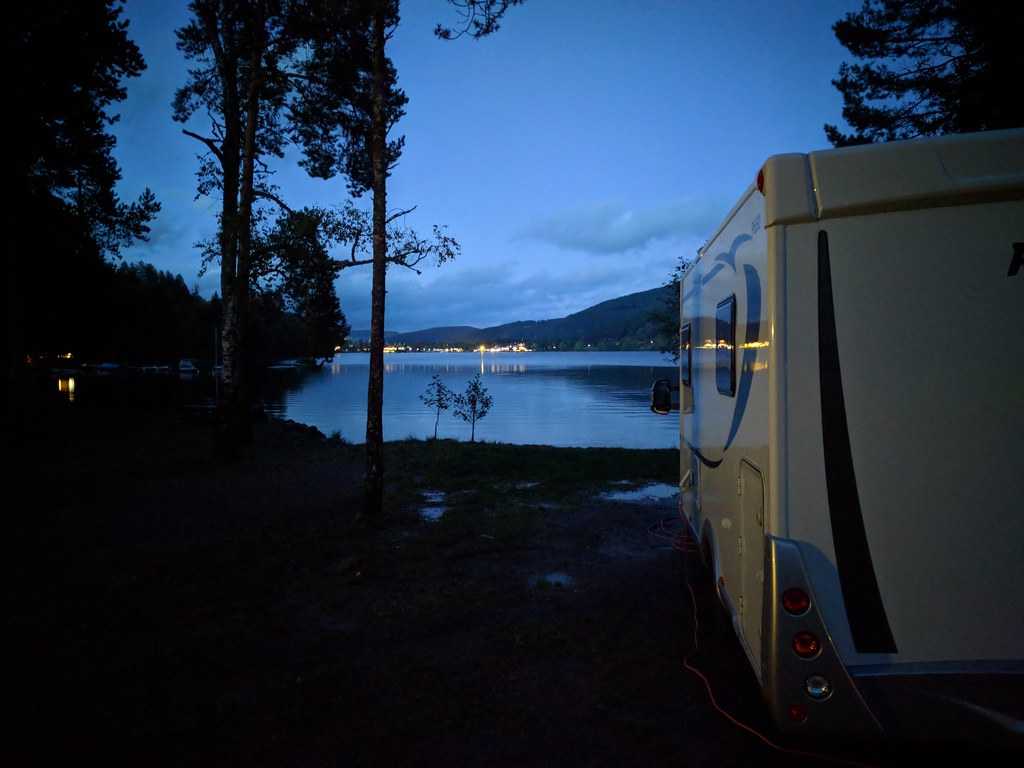
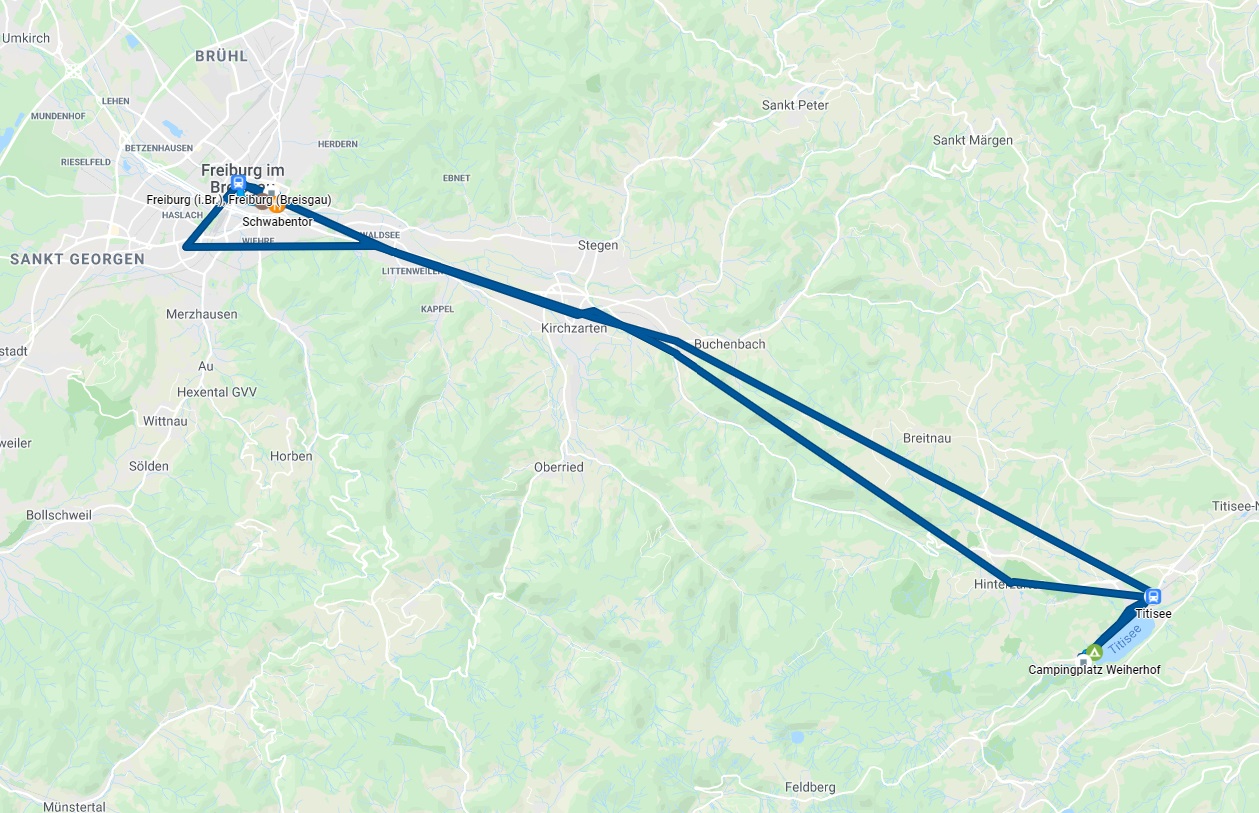
We were heading for Camping Weiherhof, on the edge of Titisee. It didn’t disappoint. We had a lakeside pitch with a glorious view. Staying at the site gave us free public transport for the area. And the campsite boathouse restaurant was atmospheric and friendly.
Freiburg
Click to enlarge
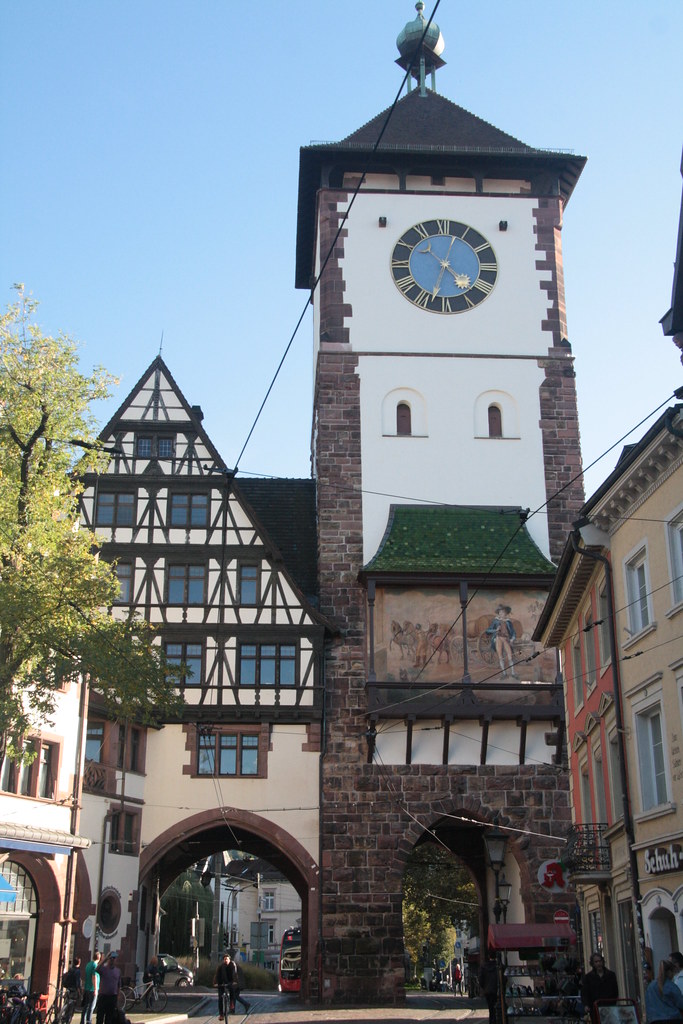
We had a free travel pass, so it would be rude not to make use of it. The go-to city from Titisee is Freiburg, and rightfully so.
We took a bus from near the site entrance to the train station, and thence to Freiburg. It’s always a bit of a shock when you emerge from a station looking for the city it serves, but we found the centre and got into the relaxed feeling – it’s definitely one of those places where sitting in a square and eating Black Forest Gateau is the thing to do. And it wasn’t raining!
Schwarzwälder Kirschtorte
Blumberg
Click to enlarge
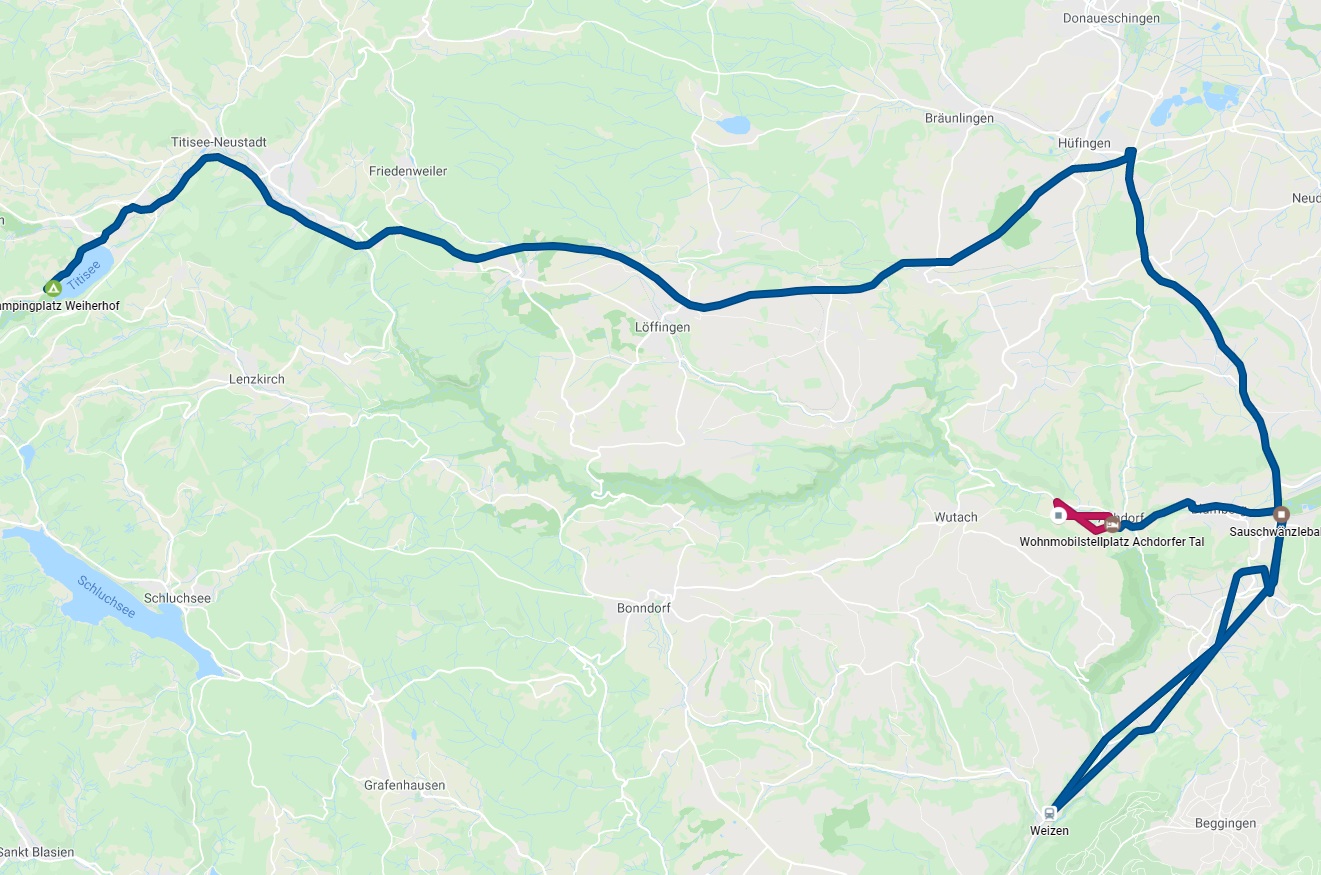
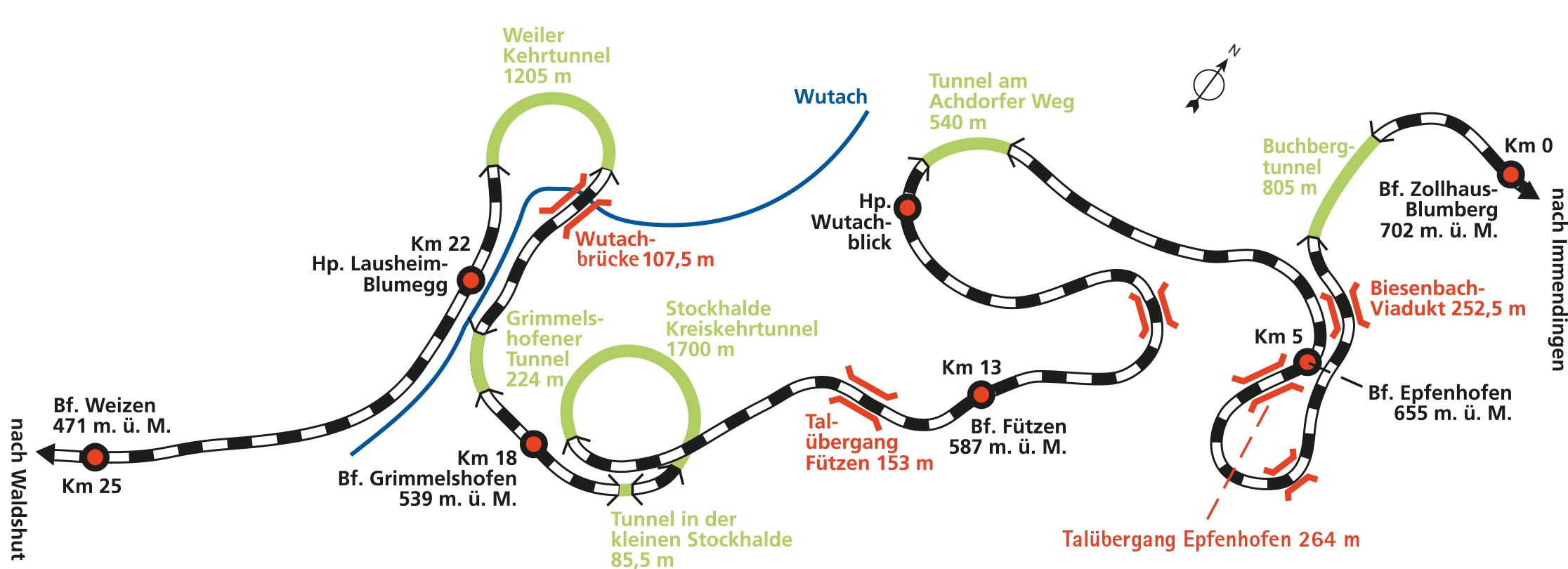
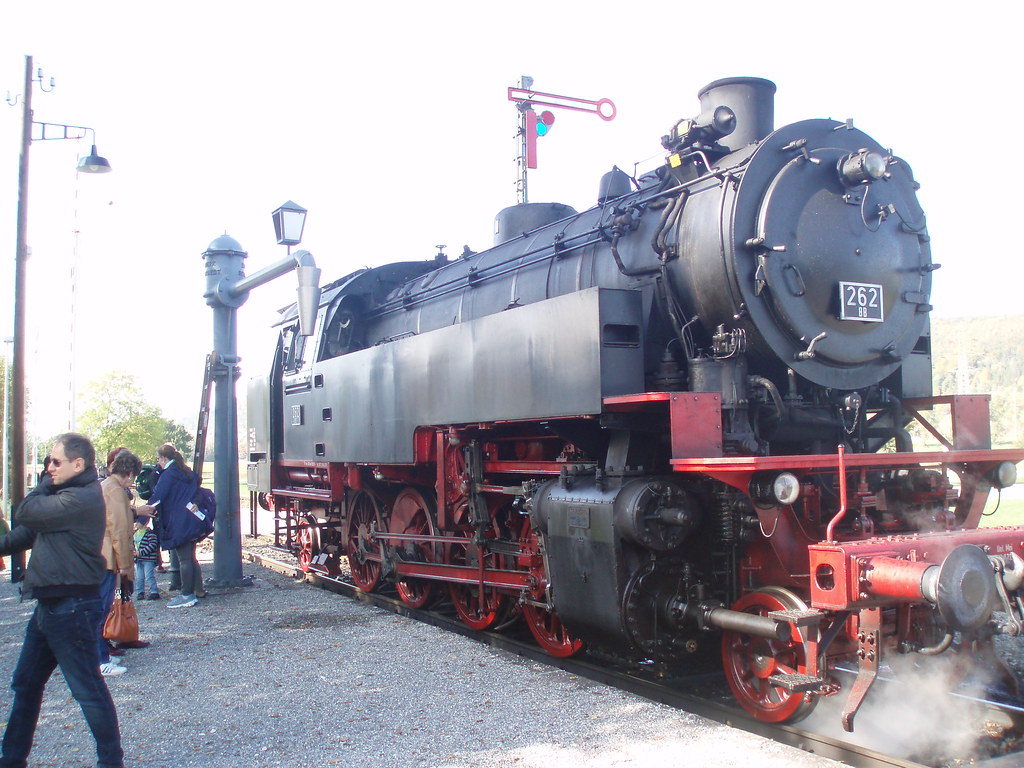
We had heard about the Sauschwänzlebahn https://sauschwaenzlebahn.de/ when doing our preparation for visiting the Black Forest. It’s a rather spectacular stretch of railway that runs steam-hauled excursions for 25km from near Blumberg towards the Swiss border. It would have been an easy day trip from Titisee, but we had decided to check out and go on somewhere else after our train trip.
The first part of the mission was to obtain tickets. It was a Saturday, and the train was heavily booked, but we got seats – or more correctly, we got tickets with allocated seats. More on this later.
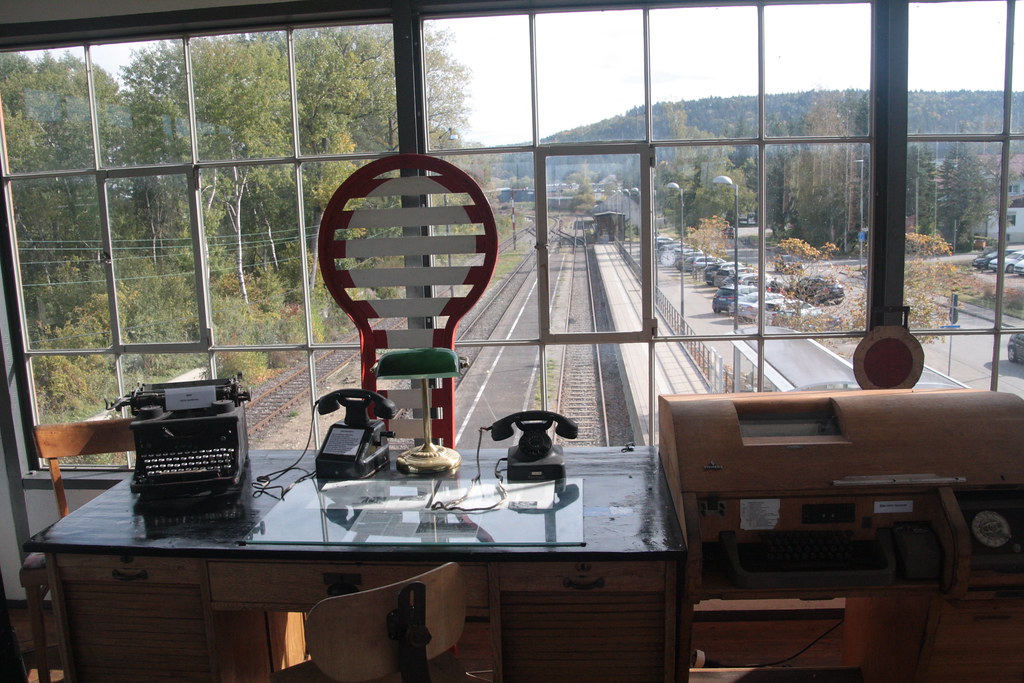
We had plenty of time to explore the museum and historic signal box before the arrival of our train. As you would expect in Germany it was easy to find our allocated seats – but they were already occupied by some German people who were part of a loud crowd of drunk people, who were not open to reasonable discussion. We retired to some vacant seats in a corner and awaited developments. Another group of Germans came along to claim their seats from another part of the loud crowd – problem solved.
The trip was indeed scenic and interesting, and the return journey was in the company of a delightful and friendly German family – such a contrast.
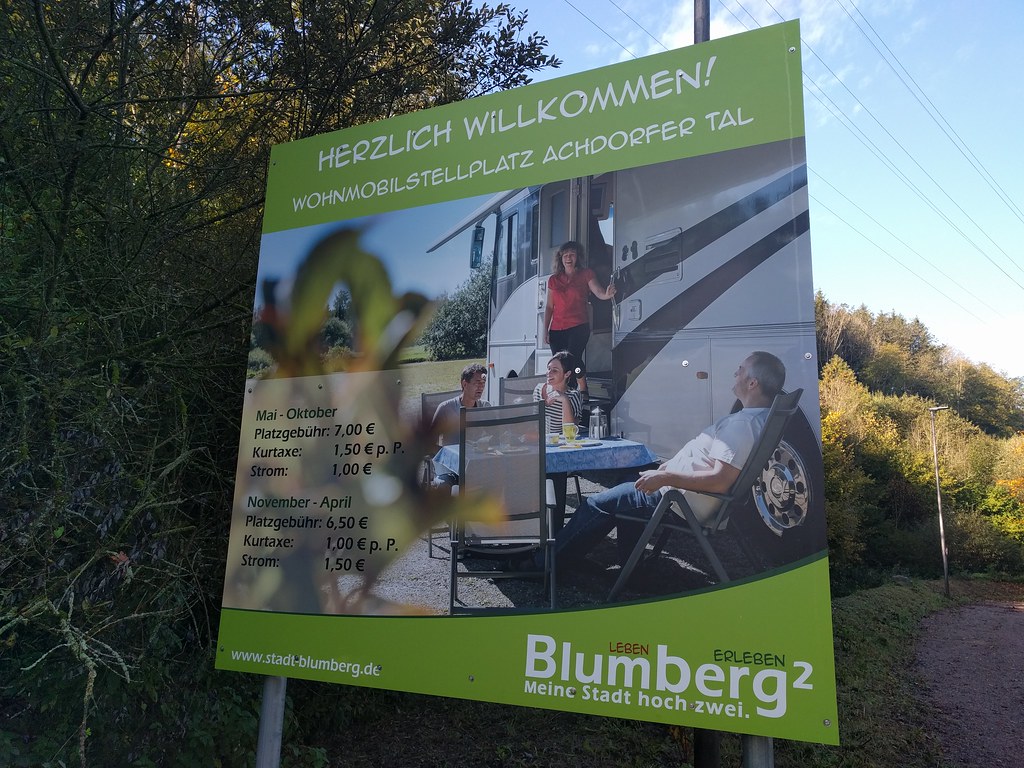
We decided not to travel far for our overnight stay. The weather was good, and it was nice to be able to take advantage of it at a Stellplatz a few minutes away.
Col de la Schlucht
Click to enlarge
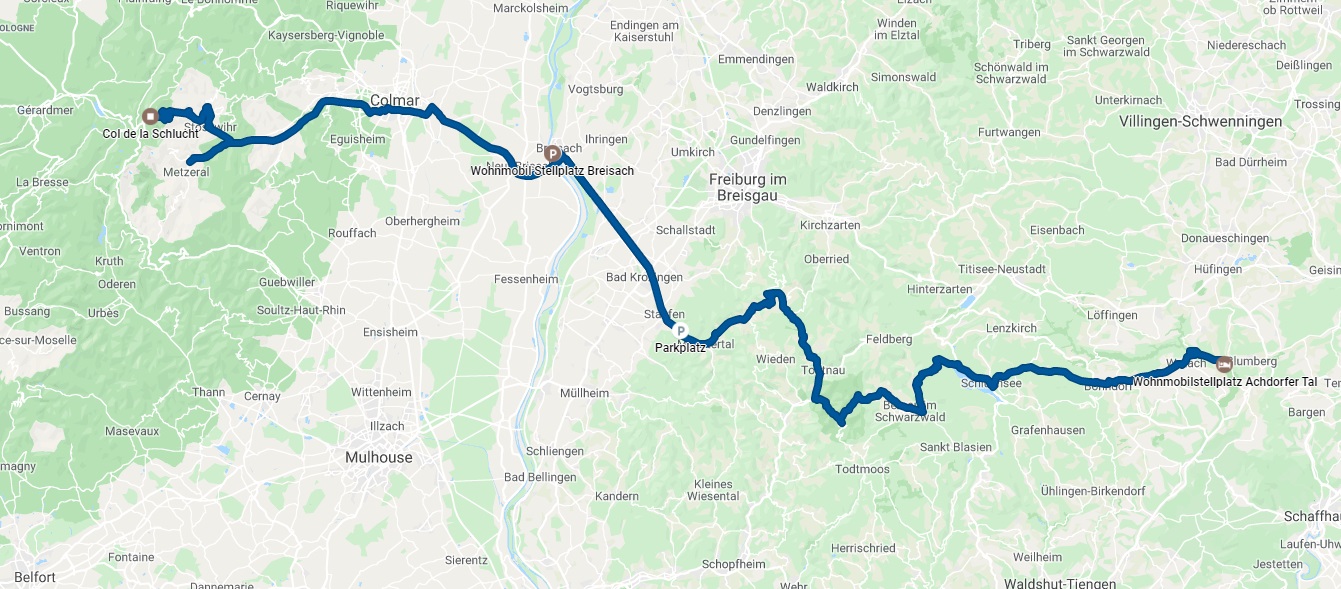
We had reached the point of the holiday when we were heading back, slowly, to Calais. We decided to travel through France – we feel at home there, but we’d be travelling through a part of France that we don’t know.
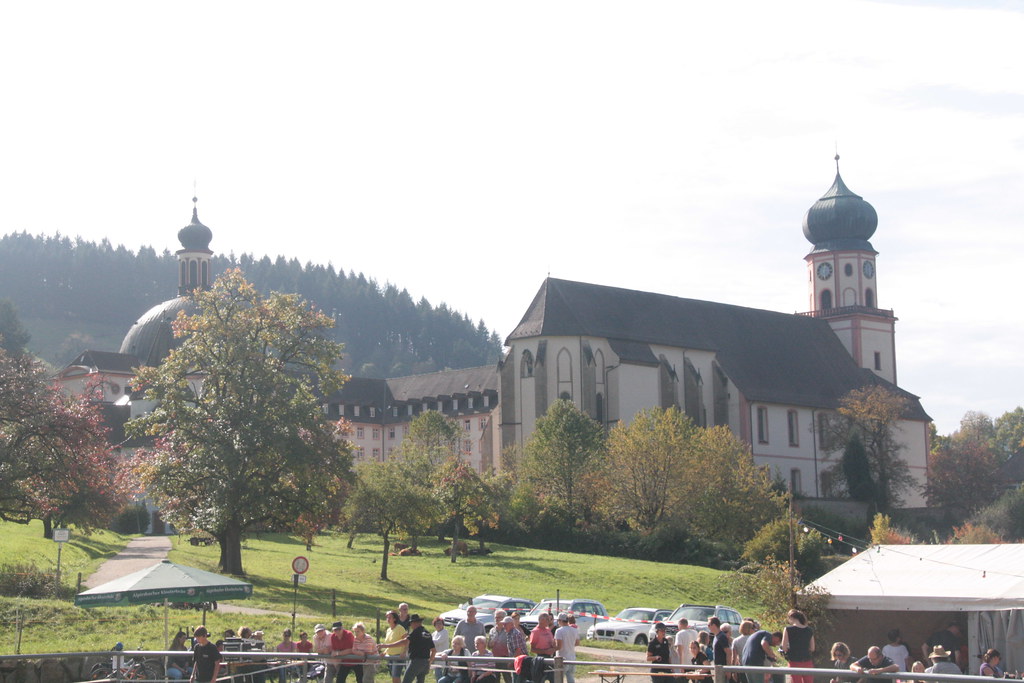
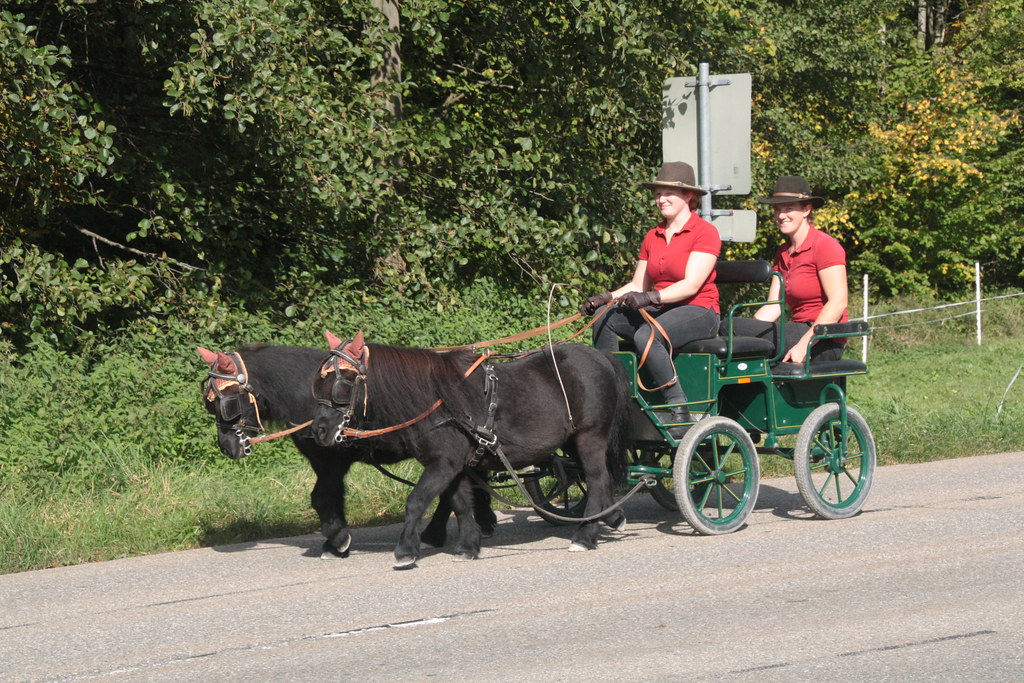
Before leaving Germany we stopped at Münstertal where horses and sports cars were being exercised.
We parked at a riverside Stellplatz at Breisach and took a walk along the Rhine. This was the border with France – we could have walked across the bridge. It was too early to stay for the night, and we were only a few miles from Freiburg, where we had been days previously.
The Rhine at Breisach – that’s France over there.
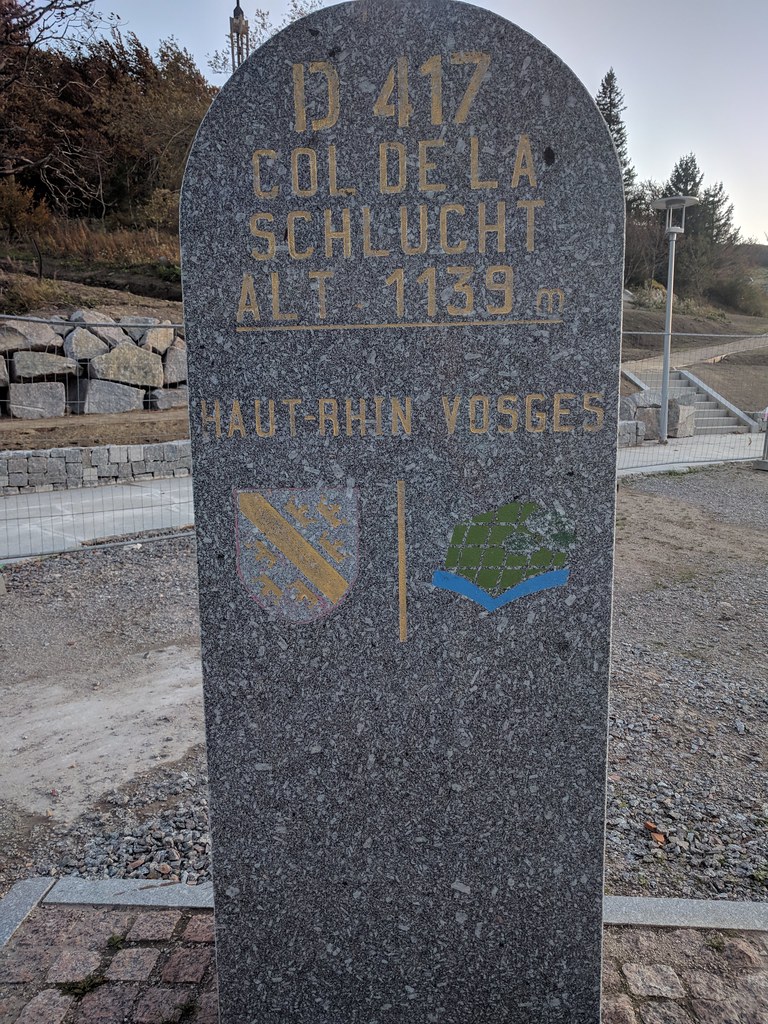
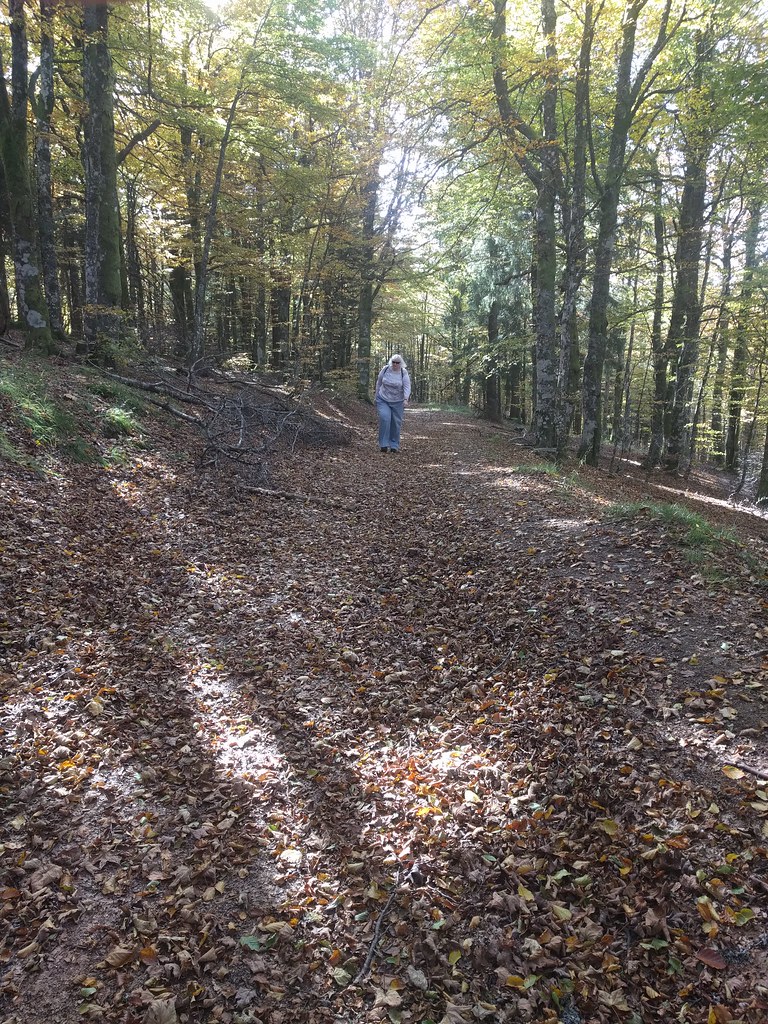
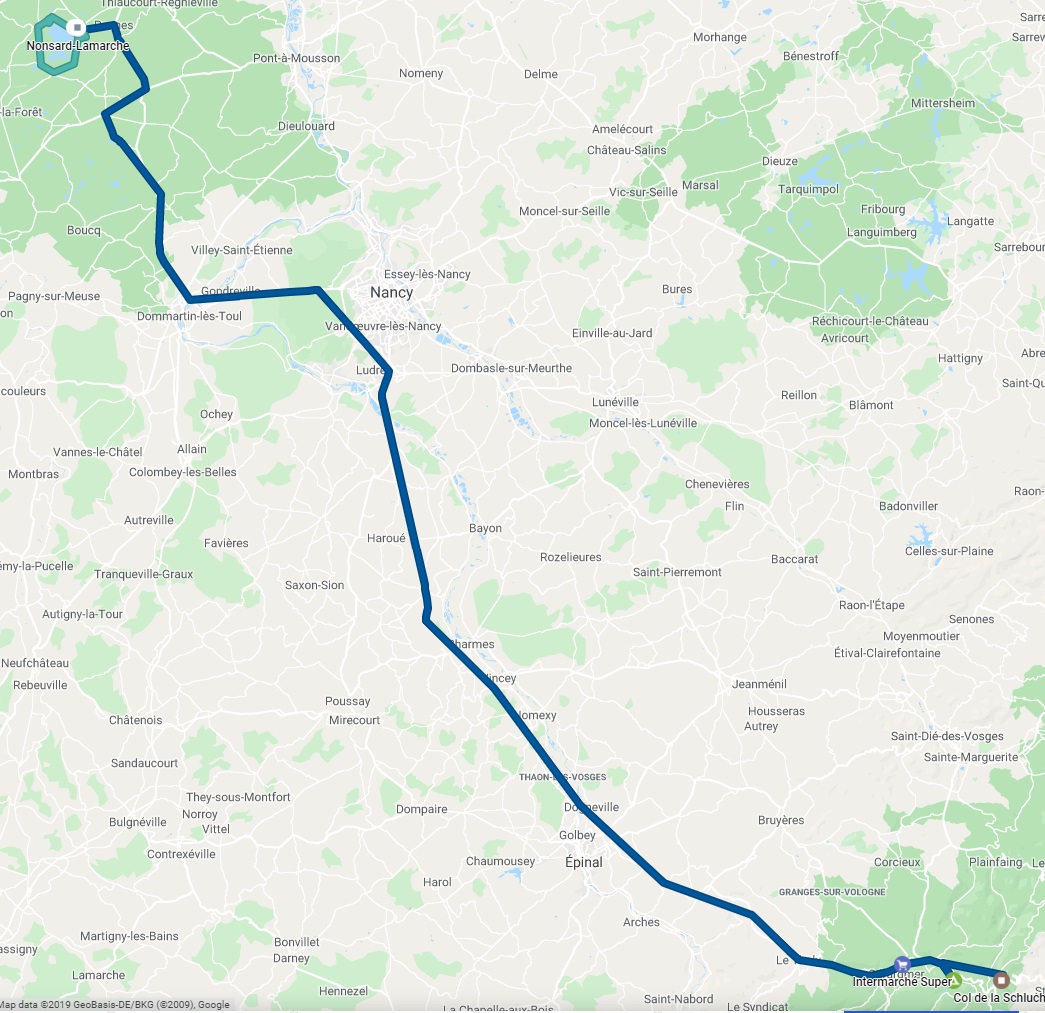
Our eventual overnight stopping point was at Col de la Schlucht. There is considerable development going on here, and it’s very much a work in progress at the moment. While this col is not one with magnificent views into the valleys below, it’s a pleasant stopping point and the starting point for a number of walks.
Lac de Madine
It was a day of lakes. We were in no great rush to leave Col de la Schlucht, and it was nearly time for lunch after we’d had a leisurely walk. It was a short drive to Lac de Longemer for lunch with a view.
Lac de Longemer
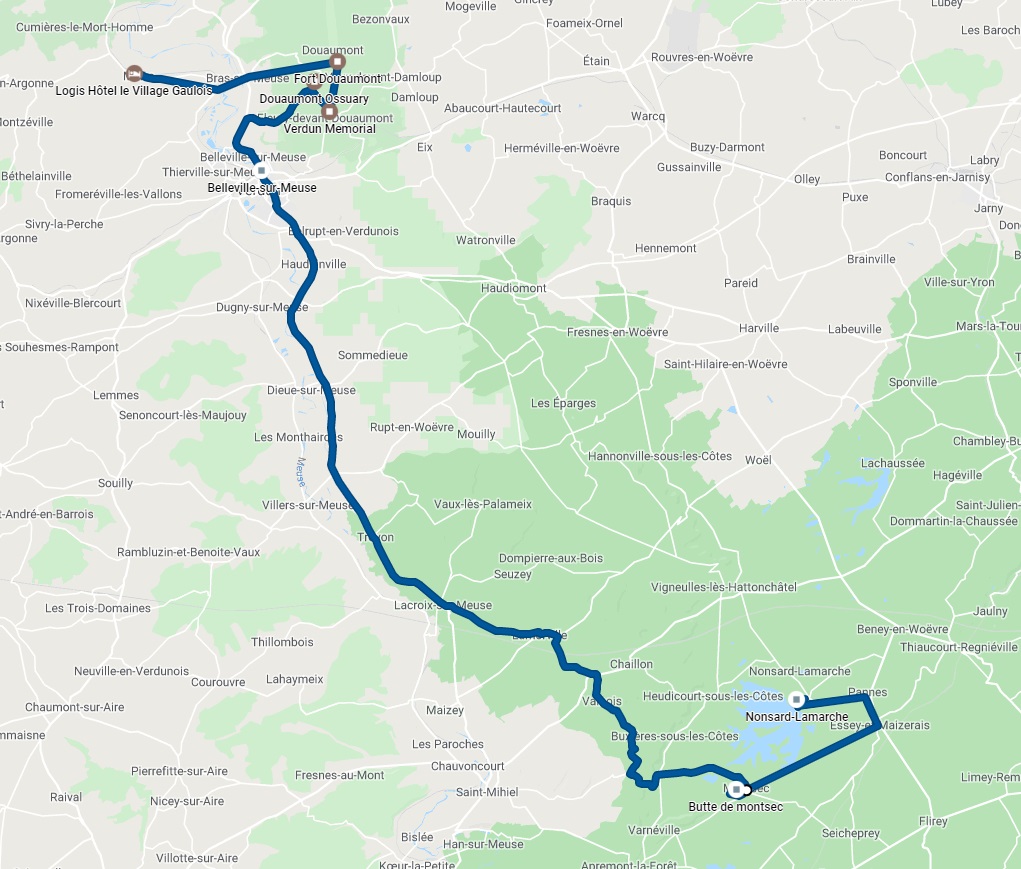
Lac de Madine is a large leisure area offering a range of motorhome camping facilities. We chose a simple grass pitch, which with heavy rain overnight and in the morning turned out not to have been the best choice. There are walks and bicycle routes, and I enjoyed a ride round the lake before the heavy rain set in.
A distant view of Butte de Montsec
Verdun
Click to enlarge
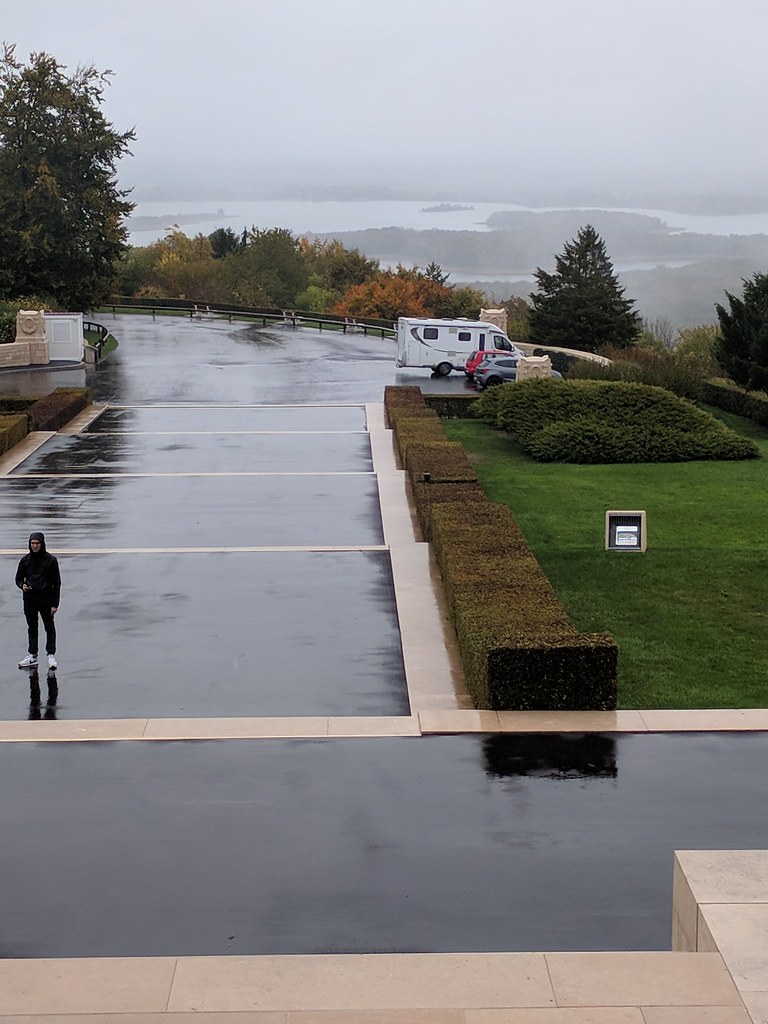
There was a a strong World War One theme today. I had already had a sight of the Butte de Montsec on my cycle ride (see the picture above), so we decided to start our journey by visiting the monument. It turned out that the road journey was surprisingly long and when we got there the weather was particularly unfriendly, so we were left to imagine the magnificent views.
Lac de Madine in the murk
Butte de Montsec
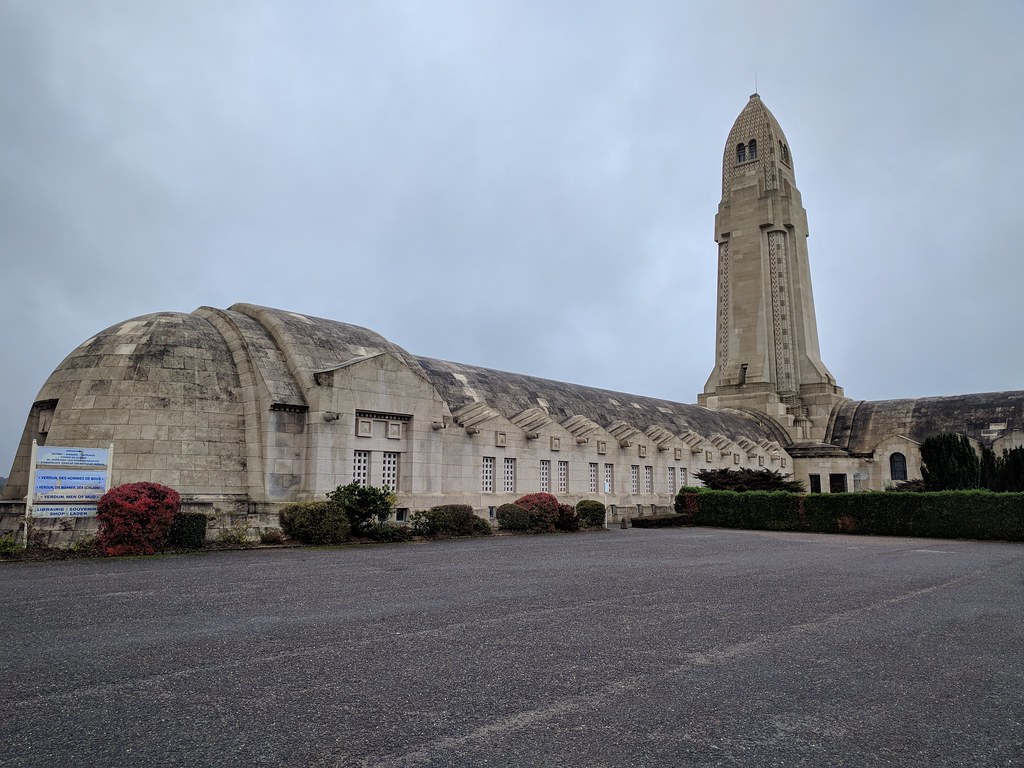
Like so much of this trip we were seeing place names we recognised from history – but couldn’t remember why. Verdun is one such. Our visit gave us a sobering reminder of the magnitude of what had happened on this soil around 100 years ago – and the crazy idea that military force is a way to conduct world affairs. We stopped at Douaumont Ossuary, a bleak and forbidding building.
Douaumont Ossuary
How can killing 300,000 people be a good idea?
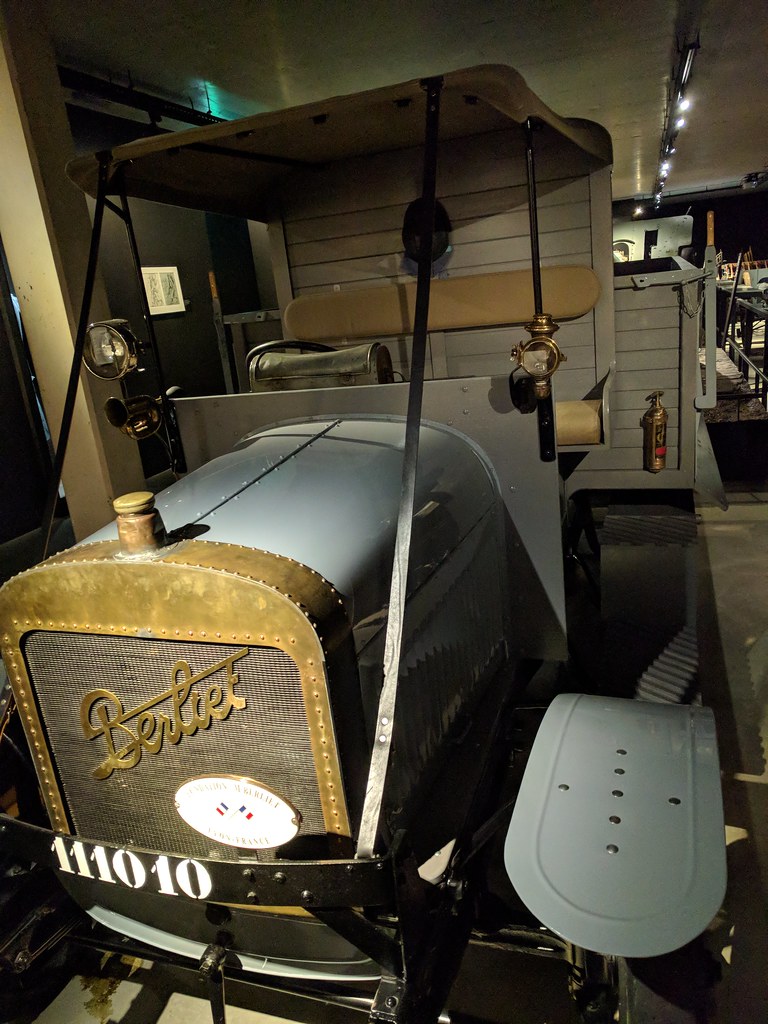
We moved on a short distance to the Verdun Memorial and Museum. The museum gave a human context to the horror of what had gone on, while also describing it at the strategic level. It’s a good museum, but it’s not a piece of history to be proud of.
Verdun Memorial Museum
It was another short drive to Fort de Douaumont, which had been captured by the Germans in the first few days of the Battle of Verdun. Somehow, the sight of the battered fort, the barbed wire and the European flag all felt somewhat ironic in our current political situation.
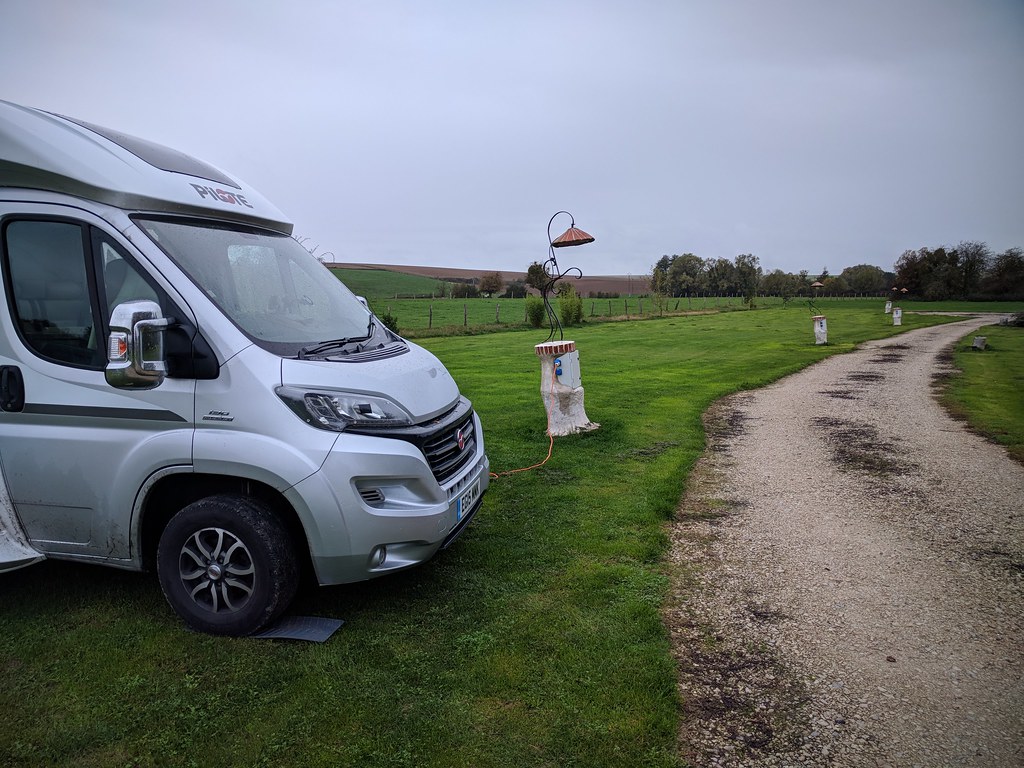
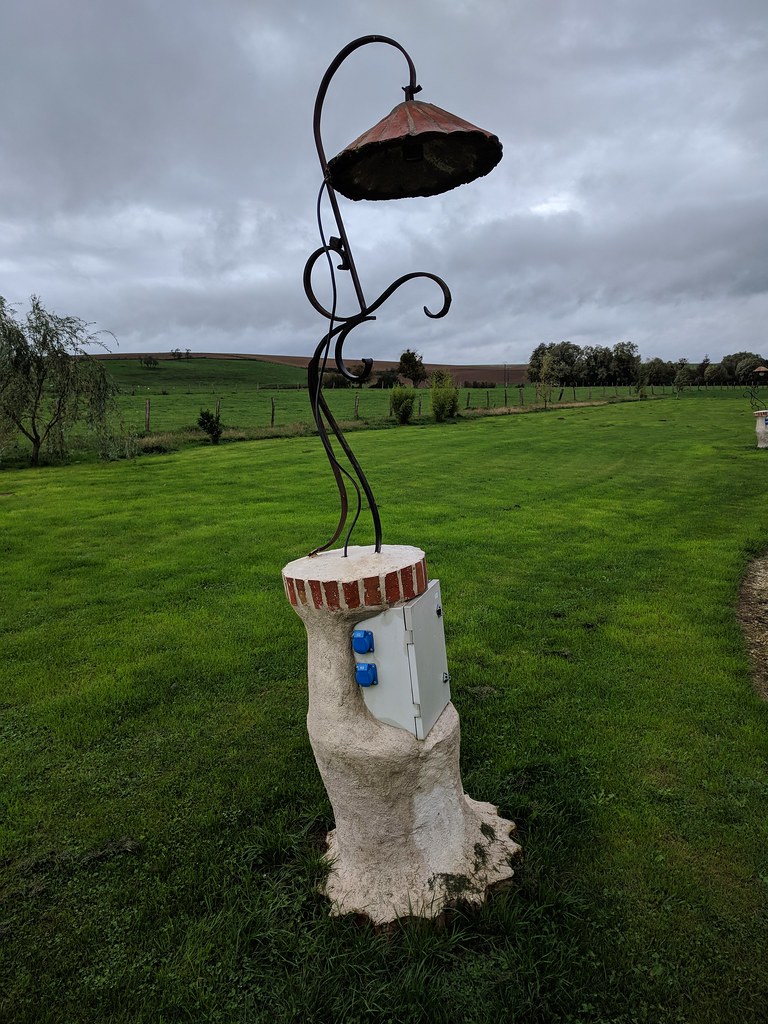
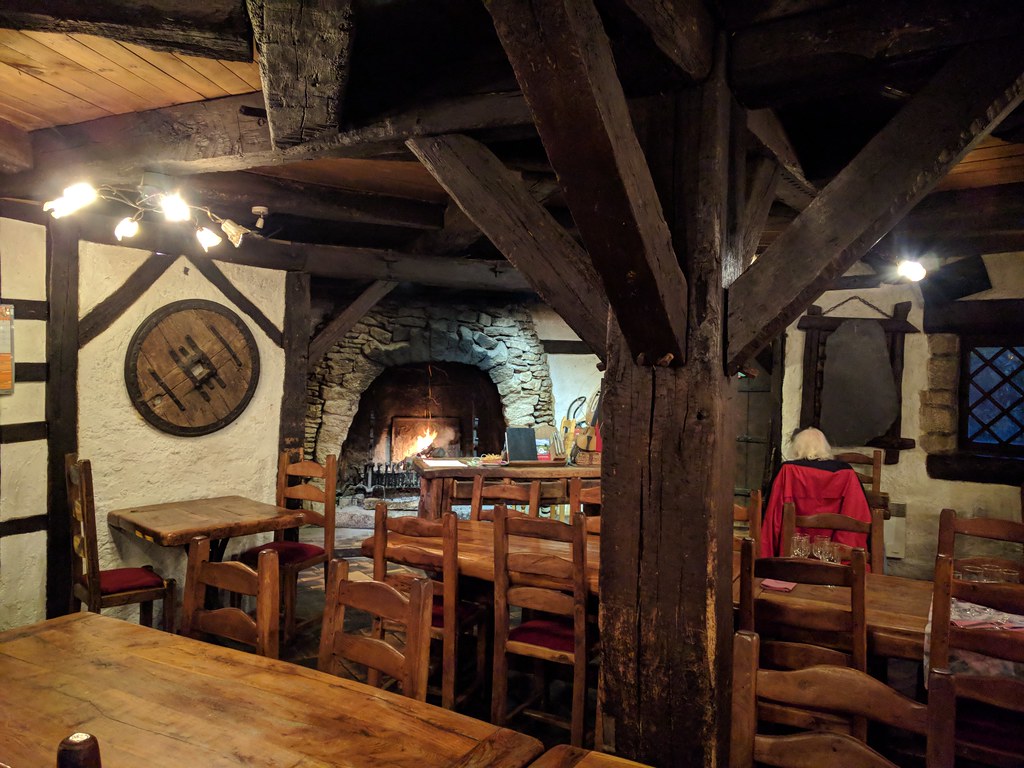
While I had been wandering the fort, we had been given a leaflet for a motorhome aire in the vicinity. We had no plans for our overnight stay, so we made the short drive to Village Gaulois (https://www.villagegaulois.com/), not knowing quite what to expect. It’s an idiosyncratic fairy-tale place, with hotel, restaurant and a motorhome park with all the facilities you could require. The restaurant was warm and friendly, and we ended our meal sharing a table with some American tourists.
An electric hookup point like no other
Fairy-tale restaurant
Just as cute from the outside
Bogny-sur-Meuse
Click to enlarge
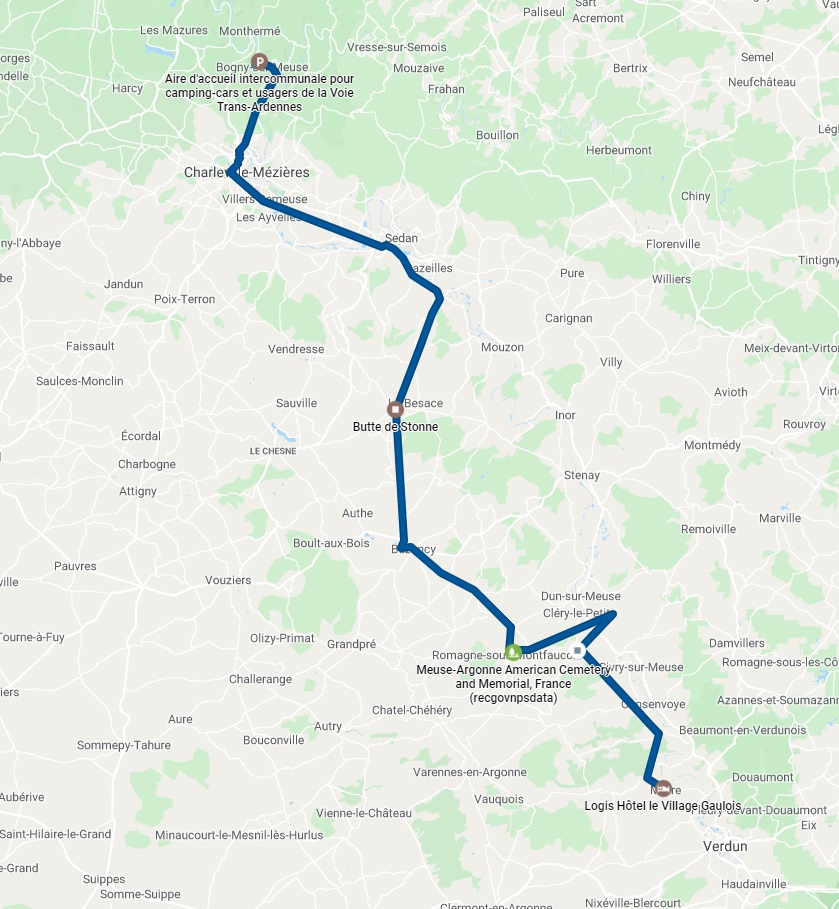
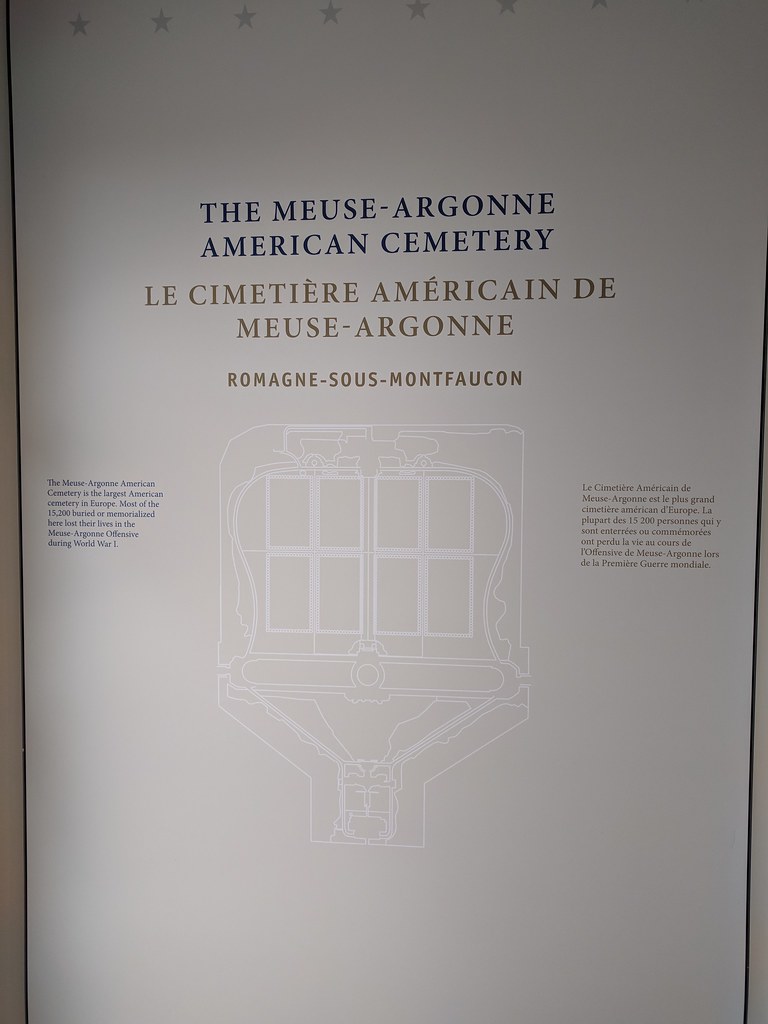
We were destined to continue along the Meuse. Our first stop was a very different war museum at the Meuse-Argonne American Cemetery. In essence the message was that after the Europeans had been messing around with World War One for years, the Americans came along and sorted it. But that message is presented well, with due respect for the suffering on all sides.
It was still raining. Our route was well off the beaten track. At one point was saw a tank, parked in a green area just off the road. It was marking Butte de Stonne, a viewpoint on a Roman tumulus, reputed to offer one of the best views in the Ardennes. It might be, but the weather was not helping. The village of Stonne was destroyed in a tank battle in 1940. This area has certainly taken a beating over the years.
360 panorama at Butte de Stonne
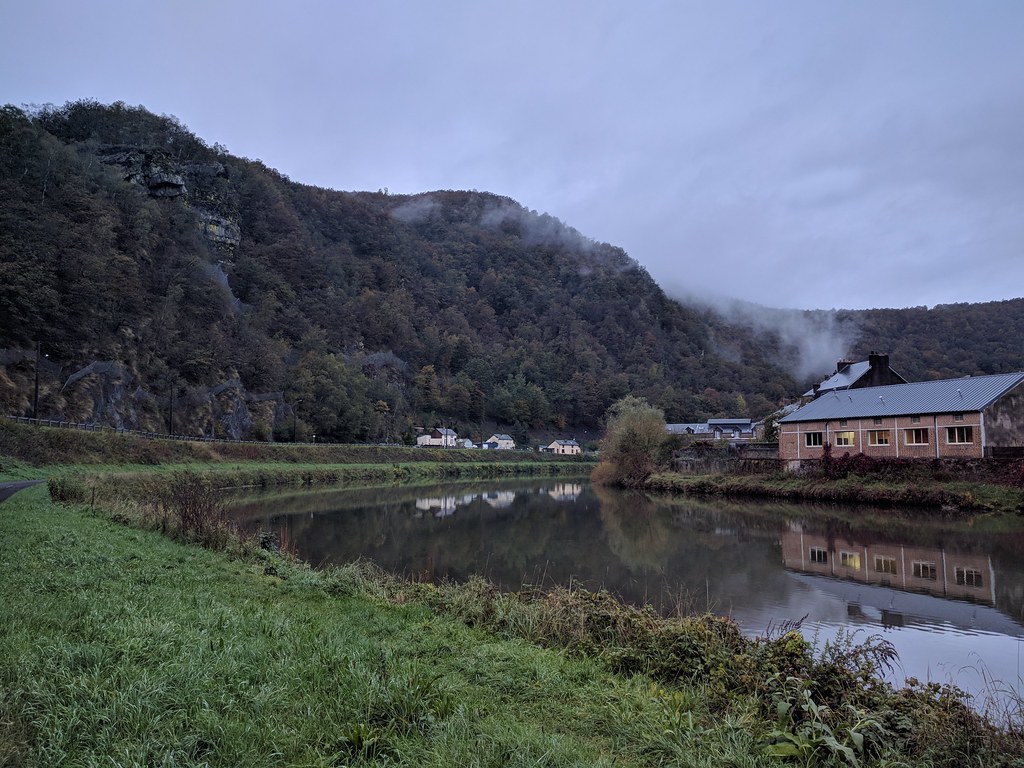
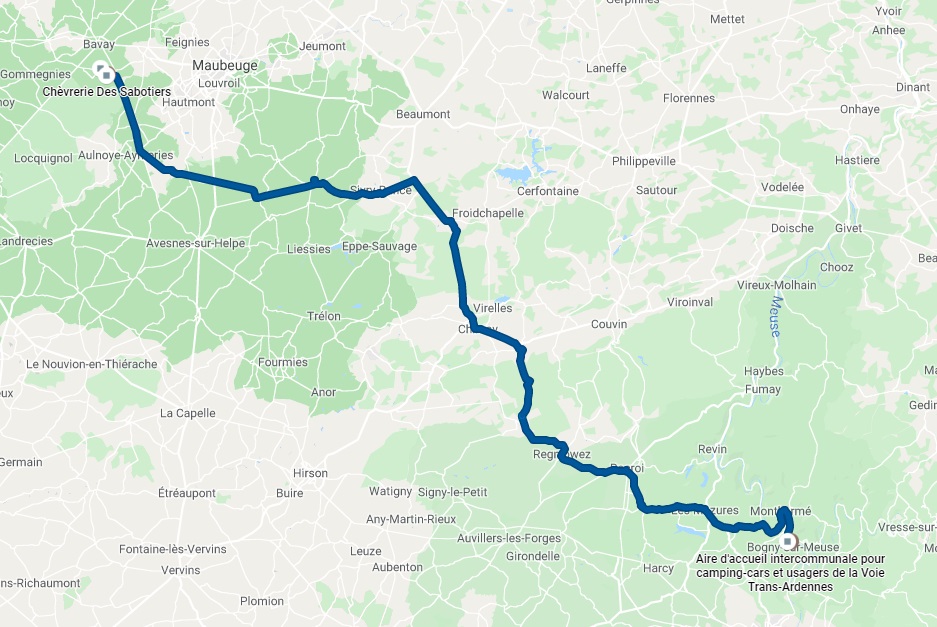
I climbed the viewing tower, looked at the clouds and rain all around – and then we continued on our journey. After about 90 minutes of driving we were beside the Meuse at Bogny. It was raining – but it stopped. There is a very impressive new riverside aire, just a short walk along the river into the the town centre. Off season it was deserted, and free, with WiFi. During the season there is a hut which will no doubt take parking fees, and there are electricity points all around. There is a full service point a few yards along the river. If you’re in the area, this is a good stop-off.
La Chévrerie des Sabotiers
Click to enlarge
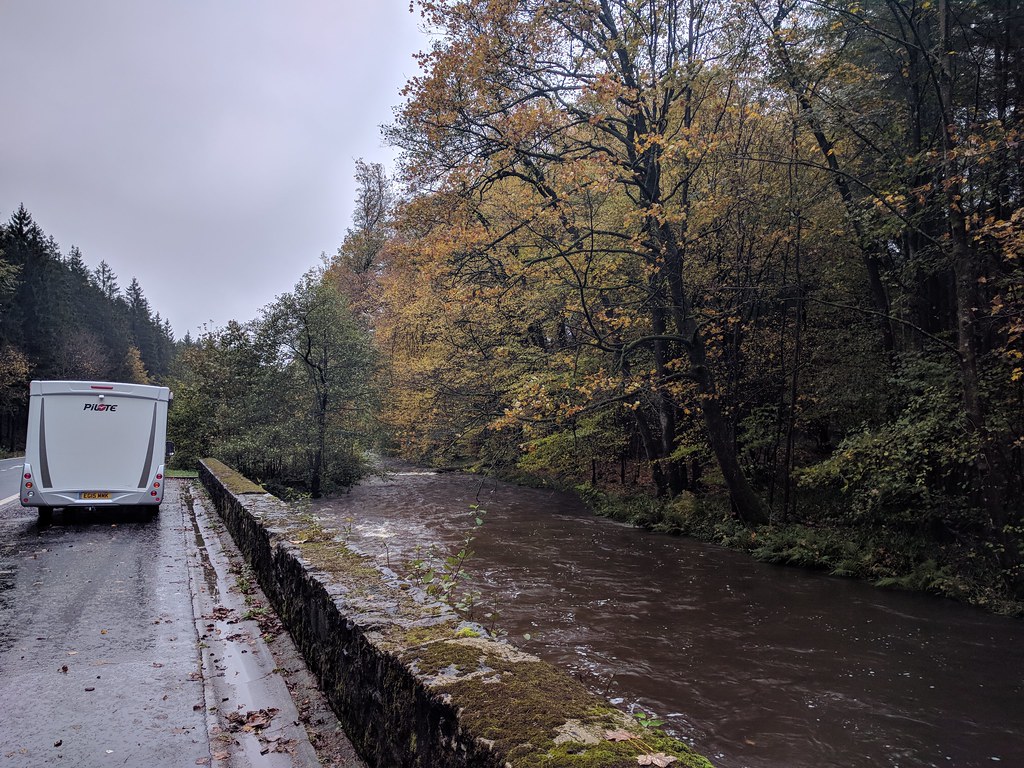
The journey continued. We had plenty of time, and no real itinerary. The fluidity of national boundaries in Europe was well illustrated when our road took us briefly into Belgium, and then back into France. The weather was changeable, which made it a good day to just travel. We normally try to get right off the road for lunch, but there were not so many opportunities here, and we stopped at a lay-by alongside a river, with nothing between us and the road. It was not ideal, but the road was very quiet.
Lunch in Belgium
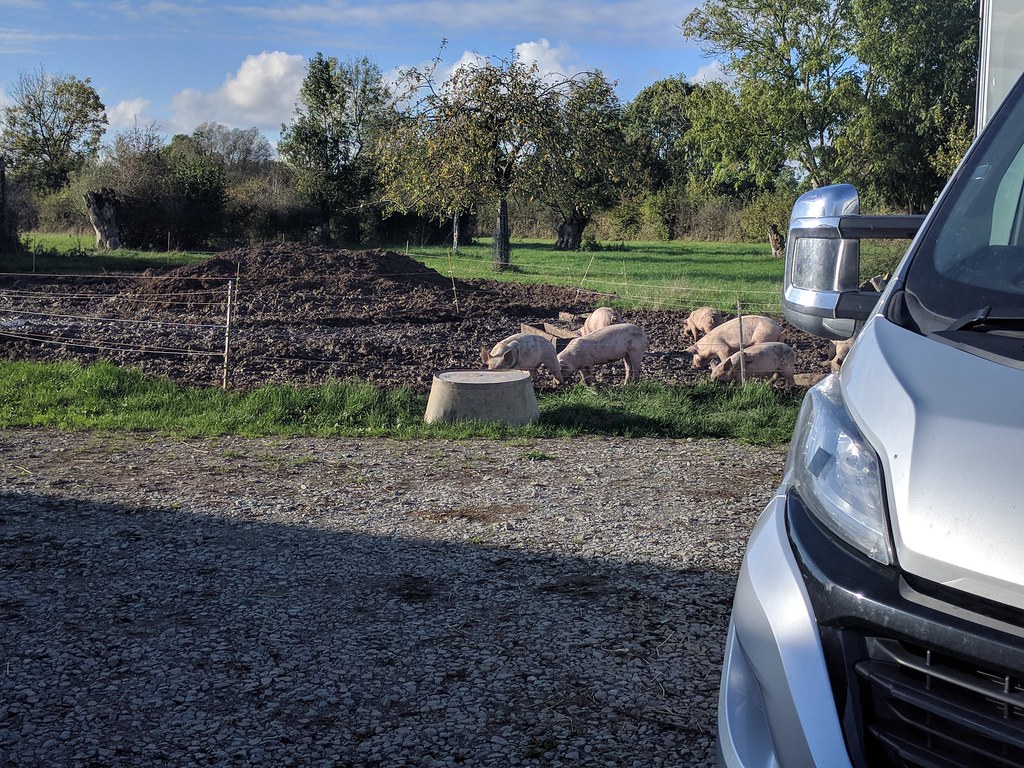
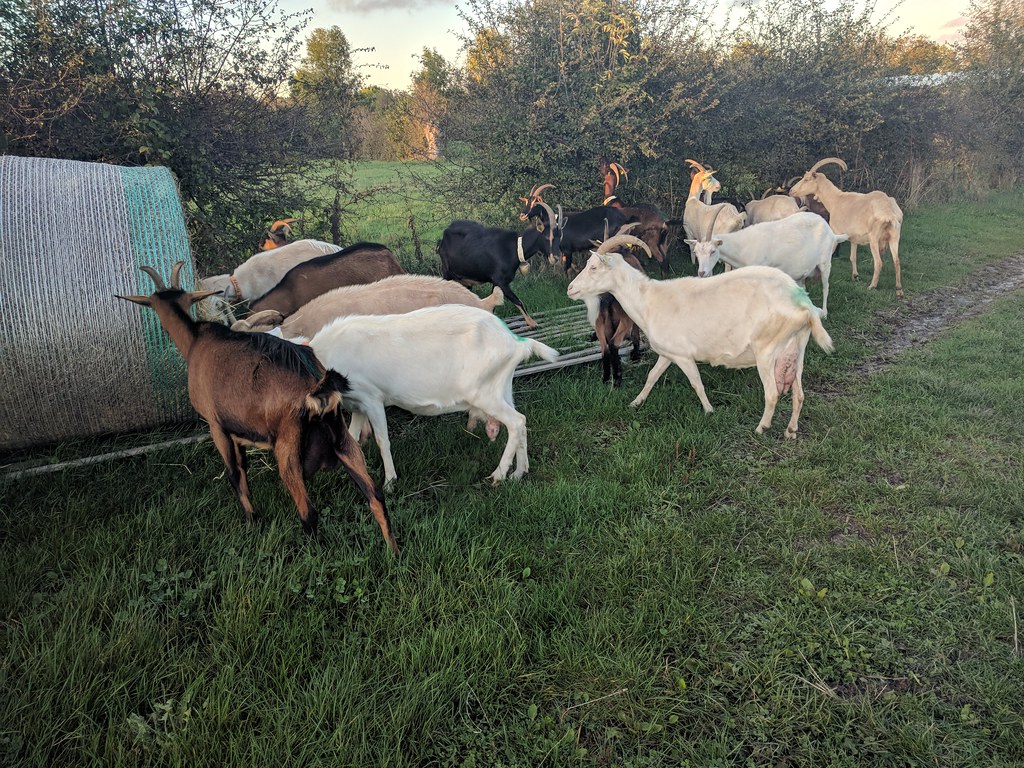
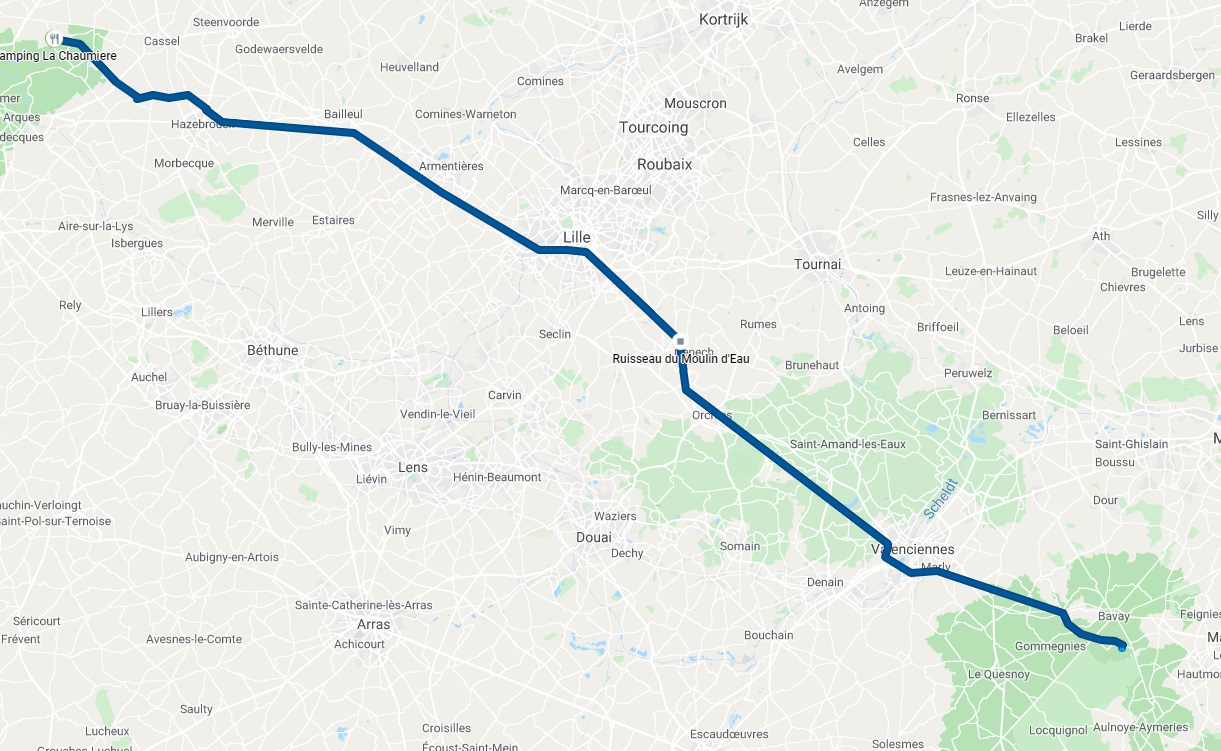
And so we continued, just inside France, to the obscure village of Mecquignies where, tucked on a corner is La Chévrerie des Sabotiers. This is a wonderful old-fashioned goat farm offering a very warm welcome to motorhomes. The goats and the people are both very friendly, as indeed were the pigs, up to their knees in mud, but apparently very happy.
A motorhome would normally park in the orchard, but due to the weather they allowed us to tuck into a corner on a hard track. We had the opportunity to meet the goats coming in from pasture, to watch the milking, and to buy some of the fresh natural produce. You can see a little video about the farm at https://youtu.be/DydkrJ0_HCk.
Locked up
Click to enlarge
At this point we were very close to Calais and had a day to spare. It had been a long holiday, and we’d travelled a long way, so we decided there was no point in trying to be clever in how we used our time. We thought it would be a good idea go back to Camping La Chaumière, where we had spent our first night, have a meal cooked for us, all the facilities we could need, and just chill. When we arrived at La Chaumière there was no-one to be seen, but it was lunchtime and off season, so no big surprise. The barriers were open, so we decided to park ourselves on a pitch and have lunch while we waited for the owners’ return.
I wandered around the site a few times, and there was still no-one to be seen. There was no-one else camping on the site, but that is not unusual so late in the year. Nothing at the site said it was closed – but nothing said it was open either. After lunchtime was well past, even by French standards, I was feeling a little uneasy. I decided that we should pack up again and go.
Locked in – but it wasn’t raining
We got as far as the front gate – the one we had driven through before lunch. It was now closed. In fact it was locked with a padlock. We had visions of being locked in until the spring. I tried all the contact methods – phone, email, website. No reply. I looked at videos on how to pick a lock – no success. We had plenty of time, and I told our story on Facebook. Amongst suggestions involving large hammers, a friend came back to tell me that the previous owner of the campsite still lived nearby. Eventually I was able to speak to him and explain my story. He said he would arrange something. We made sure we woke up early the next morning, and sure thing, the gate was unlocked. We drove out instantly, and I was just about to leave a thank-you note when a man appeared out of nowhere. He didn’t quite understand how I had got in – but it didn’t matter. We were free!
Wissant
Click to enlarge
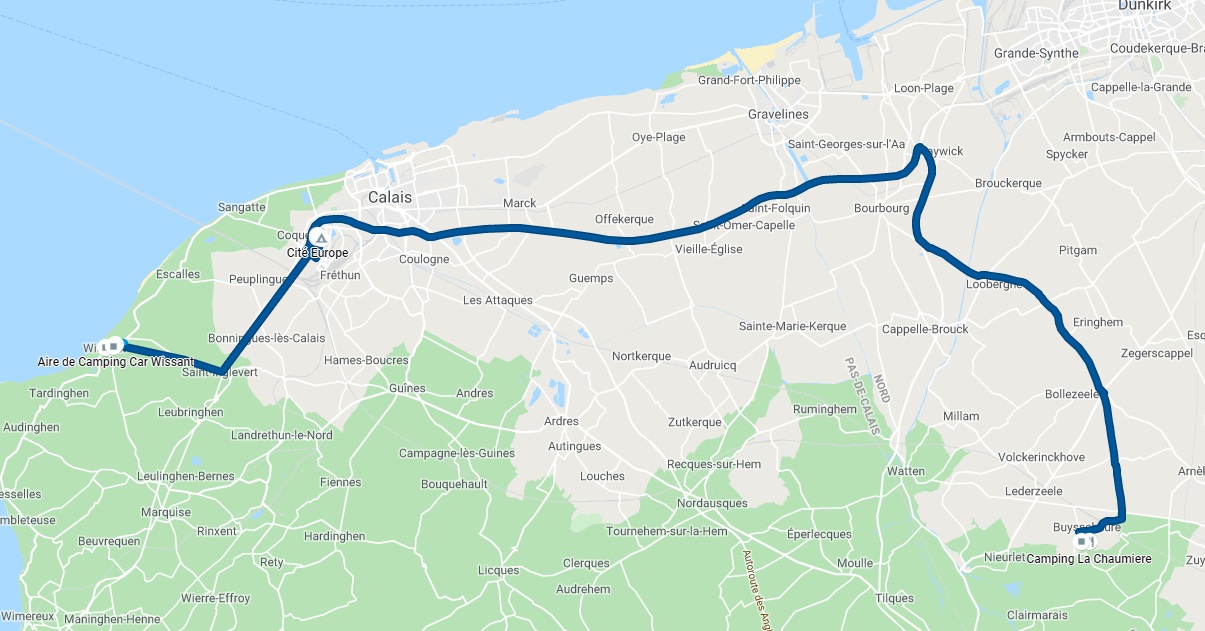
It was lucky that we did have a day to spare in the schedule. Our inadvertent imprisonment had prevented us doing the pre-ferry supermarket trip. Now we could go to the Aire at Wissant, where we knew we wouldn’t get locked in, via Cité Europe shopping centre near Calais.
I was incredibly lucky to get into London Marathon 2019 via the ballot – and I survived (http://www.cliffdive.co.uk/the-first-20-miles-were-good-never-again/). As I went across the finishing line I said “never again”, but the next day ignored that and put my name into the ballot for 2020. After all, what are the chances of getting in two years running?
It turns out that whilst I’m certainly no great marathon runner, I am particularly good at getting into the event. While on holiday in October I received an email telling me I had been selected again. All I had to do was to pay my money and I was in. Moments like that give rise to a whole bunch of conflicting thoughts – rejoicing at success in getting in, apprehension at the thought of doing it all again.
And there was a whole lot of conflicting advice too. I’d shown I could complete a marathon, so what was the point of doing it again? I was incredibly lucky to get another opportunity, and I’d shown I could do it, so it would be easier second time around. I had been really lucky to have no real injury problems in training or on the run – I’m a year older and it might not go so well next time.
The decision was made worse by the fact that I’d done very little running since the marathon, initially because I thought I deserved a rest, and then because of recurring injury (possibly as a result of giving myself a rest). http://www.cliffdive.co.uk/and-six-months-on/
“Never again” I shouted as I went over the line
I’ve spent a few weeks agonising over all this, and reluctantly concluded that I really don’t want to do it all again. The actual event was tough on the day, but the training is much tougher, and I would be starting from a worse fitness baseline than last year. But that doesn’t mean I’m not going to be running over the winter. I’ve entered the Cambridge Half Marathon, as I have every year since 2012. Not so long ago I found the half marathon distance a daunting thought. After the full marathon, 13.1 miles sounds quite relaxing now.
Sorry to those who desperately wanted to take part but didn’t get through the ballot – I know I’ve let you down.
A quick update on life six months after running my first marathon – and it’s a bit sad really.
In the build-up to the London Marathon I had been running 5 days and 70km a week. After the race I decided that it would be a good idea to just not run – at all. After months of running, both mentally and physically I’d had enough. On reflection I think that was a mistake.
Initially it felt good to have more time, and for my leg muscles not to be permanently tired. I had time away from home, and cycled. And when the time was right, I went back to Parkrun to meet my friends there. And that’s where my troubles began. Initially I was occasionally suffering cramps in my left calf, and just tried to ignore it. Then, one Parkrun morning as I was running along chatting to someone I had a sharp pain in my calf, and simply couldn’t run. As always at Parkrun people around were concerned and checked I was OK as I limped to the finish. The cycle home was a rather one-legged affair, and I was back to a regime of no running. After a week or so walking was not too painful.
Then a few weeks later as I was starting a long walk with friends, there was yet again a sharp pain. I was perhaps stupid to continue the walk, but I was back to painful walking and no running.
Since then I have decided that while completely giving up running after the marathon had been a bad idea, I’m now in a situation where I have to allow my leg to completely recover before returning to any sort of training regime. I have run for spells on a treadmill (which has the advantage that you can stop when you need to) and the muscles do seem to be recovering. I’m now missing the exercise and the time in nature. At least I’ve got back that appetite for training.
For some odd reason a marathon is 26.2 miles. It was my first marathon at London on Sunday. The first 20 miles and the last 0.2 miles were good. The 6 miles in between don’t sound like much, but they determined the ultimate result.
I said in my previous blog “my sole objective for the Marathon is to finish as elegantly as possible”. I certainly did that – my finish (the last 0.2 miles) looked pretty sprightly. But it’s only when reality happens that you realise that perhaps the aim should have been more specific. I really wanted to run the whole way. Rather arrogantly I thought my training and a bit of discipline in pacing at the start would make me immune from “the wall”. It didn’t!
The discipline was working well at first. I started near the back of the blue start area, and must have been in the last few hundred runners of 42,000, but I watched my Fitbit, stuck to 7:30 kilometres and spent the first few miles chatting to a nice lady called Marie. At the first drink station she stopped and I jogged on gently. I was going too fast for her!
Before the 20 mile point – I’m smiling
At around the 20 mile mark I was feeling pretty tired (as I expected) but was also finding that maintaining any reasonable running pace was making me feel faint. The last thing I wanted was to keel over and get dragged off the course, and when my running speed was no longer any faster than others around me who were walking, I concluded that it made sense to save energy and join them. My pace up to that time would have brought me to the finish in around 5:30 – that had been my plan, and it had gone well to that point.
But now I was walking – I have never walked (in an event) before, so I had no idea of what my pace might be. Six miles of a marathon doesn’t sound a lot, but walking it could easily add 30 minutes or maybe even an hour to my time. And while I hadn’t admitted to a target time before the run, I had certainly said that I would finish in 5 hours something – not six hours! I was walking briskly, with a bit of a run now and then, especially on downhill sections. It was no time for slacking, and I was desperately doing mental arithmetic to realign my expectations. It looked as though I was now doing 10-minute kilometres, but still looked OK for less than 6 hours. I re-calibrated at every opportunity, and it continued to look good. There was a degree of uncertainty, because by this stage my Fitbit thought I had done 2 kilometres more than the course markers, so I continued with desperate calculations.
Gradually landmarks near the finish came into view. At last a sub 6-hour finish looked assured. I could plan strategically. By now I was feeling better, and could have run, but I decided to walk until I approached the right turn to the finish. I’m told Buckingham Palace was there. I didn’t see it – I was staring at the finishing line, and jogging quite comfortably. I was no longer flat footed and exhausted. I was overtaking people and enjoying it.
And then I was finished. A marshal did a high-five at the line, but the rest was a real anti-climax. No carnival atmosphere – people handed us the medal, we walked on to pick up the goody-bags (some ladies complaining there were no small size T-shirts left, which seems a bit of an oversight) and then a long long walk to get out. Nowhere to sit and chill, we just emerged into Trafalgar Square and then I had to push past thousands of unhelpful Weatherspoons drinkers to the meeting point in Whitehall. That was one long walk.
And that was it – apart from fainting on the Tube on the way back.
The time was 05:50:29, and I finished reasonably elegantly. Mission accomplished. Oh, and nice lady Marie, who I left behind in the early stages, beat me. Well done Marie!
Lessons learned
Even when training has gone well, a marathon is hard work
It’s very difficult to devise, test and execute a feeding strategy for a marathon
After finishing it’s a good idea to take time out to eat and drink before hitting the outside world
I’m sort of happy – but I could have done better
Never again? Well, I’ve signed up for the 2020 ballot, but I won’t get in!